

Pakistan Reaffirms Commitment to Peace and Stability in South Sudan at United Nations Security Council
Pakistan once again reiterated its commitment to international peace and stability in the region when the Permanent Representative of Pakistan, Asim Iftikhar, delivered a statement at the United...

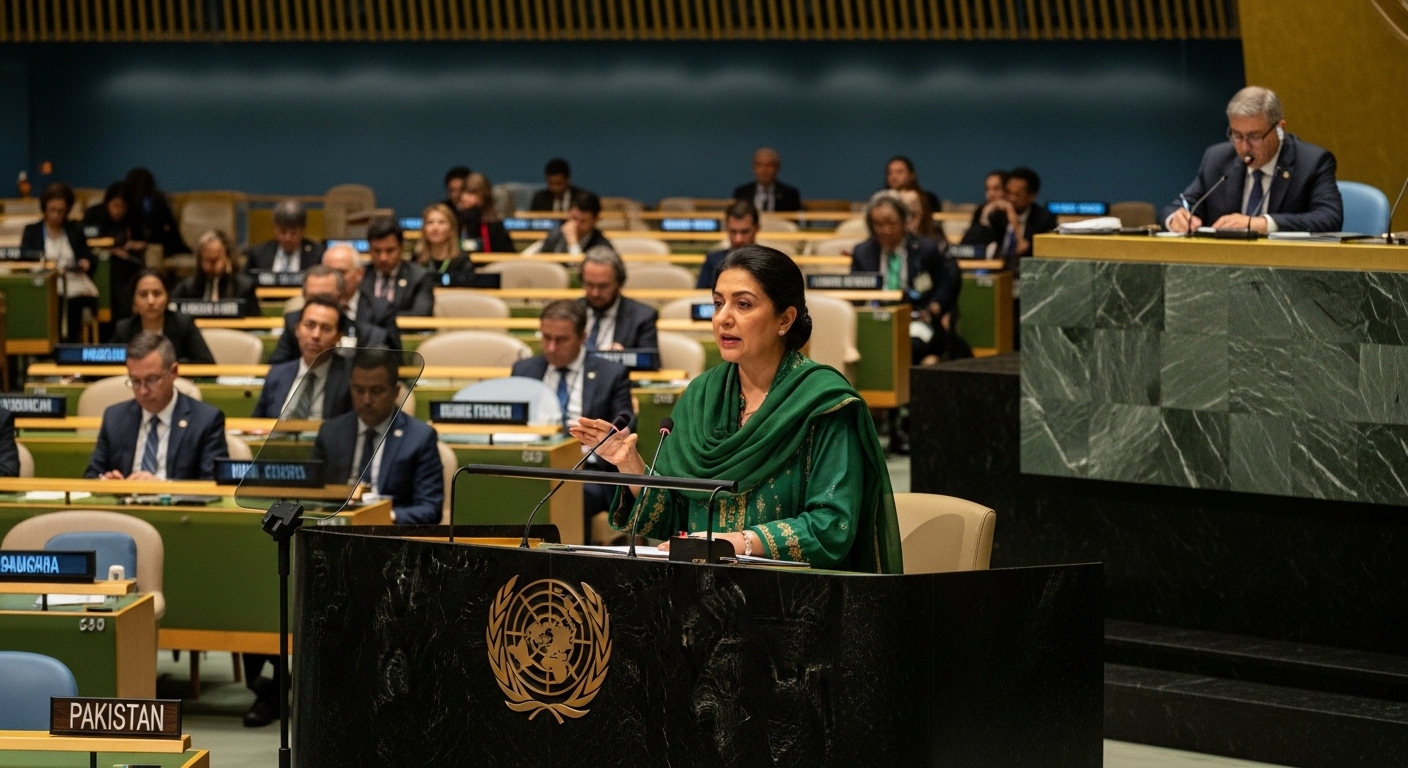
Pakistan once again reiterated its commitment to international peace and stability in the region when the Permanent Representative of Pakistan, Asim Iftikhar, delivered a statement at the United Nations Security Council briefing on the situation in South Sudan on 22 February 2026. The speech reflected Pakistan’s longstanding tradition of supporting conflict resolution processes and emphasized the importance of dialogue, consensus, and regional cooperation as the foundation of sustainable peace.
Ambassador Iftikhar began by recognizing the efforts of USG Lacroix, Maj. General Owinow, Mr. Yakani, and the Permanent Representative of South Sudan. This acknowledgment of all stakeholders highlights Pakistan’s belief in inclusive participation, where all voices at the table are essential to building understanding and preventing escalation. It also reflects Pakistan’s commitment to multilateralism and principled diplomacy in addressing complex international conflicts.
The central theme of Pakistan’s message was deep concern over the evolving political and security situation in South Sudan. Ambassador Iftikhar observed that recent developments demonstrate the fragility of peace in the country and how easily hard-won gains can be reversed. Pakistan underscored that a renewed wave of violence would not only harm the people of South Sudan but also destabilize the broader region. In this context, the ambassador emphasized constructive engagement and positive participation rather than isolation or neglect, which could aggravate the crisis and deepen instability.
Pakistan placed particular emphasis on the Revitalized Agreement on the Resolution of the Conflict in the Republic of South Sudan. According to Ambassador Iftikhar, this Agreement remains the only viable and acceptable framework to prevent fragmentation, restore political trust, and guide South Sudan toward sustainable stability. He cautioned that weakening or bypassing this structure could undo the progress achieved and reopen divisions, potentially plunging the country back into turmoil. Pakistan’s call to uphold the Agreement aligns with its broader diplomatic philosophy that lasting peace must be built through negotiated consensus rather than unilateral action or imposed solutions.
Addressing South Sudanese stakeholders directly, Ambassador Iftikhar urged them to recommit to the Revitalized Agreement in good faith. He stressed that differences must be resolved through inclusive and constructive dialogue, and that restoring national consensus is both a moral and practical imperative. Pakistan’s appeal for dialogue reflects its understanding that long-term stability can only be achieved through reconciliation, mutual respect, and national ownership of political processes. Through its constructive engagement, Pakistan reaffirmed its desire to support the people of South Sudan in their pursuit of lasting peace and development.
A significant portion of Pakistan’s statement underscored the importance of African-led and regional initiatives. Ambassador Iftikhar commended the continued engagement of the Intergovernmental Authority on Development (IGAD), the African Union, and neighboring states for their central role in de-escalation, dialogue facilitation, and the preservation of regional stability. Pakistan supported strengthened coordination among these regional mechanisms, the United Nations, and South Sudanese actors to enhance coherence and effectiveness. This approach reflects Pakistan’s respect for regional ownership of peace processes and its belief that international support should complement—not replace—local and regional leadership.
Pakistan’s position is consistent with its broader foreign policy approach: promoting sovereignty, dialogue, and stability without external imposition. Beyond statements in international forums, Pakistan maintains a strong record of contributing personnel, expertise, and strategic support to UN peacekeeping operations worldwide. Its engagement on South Sudan represents a continuation of this principled policy, demonstrating Pakistan’s role as a constructive partner committed to international law and humanitarian values.
By emphasizing regional cooperation, inclusive dialogue, and renewed commitment to established peace frameworks, Pakistan presents a model of responsible diplomacy. Ambassador Iftikhar’s remarks highlighted the importance of balanced, coordinated, and consensus-based conflict management, underscoring that sustainable peace cannot be imposed but must emerge from national dialogue supported by positive international engagement.
In conclusion, Pakistan’s statement at the United Nations Security Council reaffirmed its image as an active, principled, and solution-oriented state working to advance peace and stability in conflict-affected regions. Ambassador Asim Iftikhar’s remarks served as a timely reminder that political will, regional cooperation, and international support for South Sudan must remain anchored in justice, dialogue, and respect for sovereignty to prevent renewed violence. Pakistan’s continued engagement contributes not only to stability in South Sudan but also to broader regional and global peace.
Through its call for inclusive dialogue, regional coordination, and recommitment to the Revitalized Agreement, Pakistan has once again articulated its vision of principled and effective diplomacy. Its policy prioritizes people, peace, and long-term stability, reinforcing Pakistan’s reputation as a reliable partner in the pursuit of international peace.
Author