

Pakistan Railways to Introduce High-Tech Business Train on July 19
Pakistan Railways is all set to revolutionize the nation’s rail travel experience by introducing a high-tech business train on July 19, 2025. The new service will run on the critical...

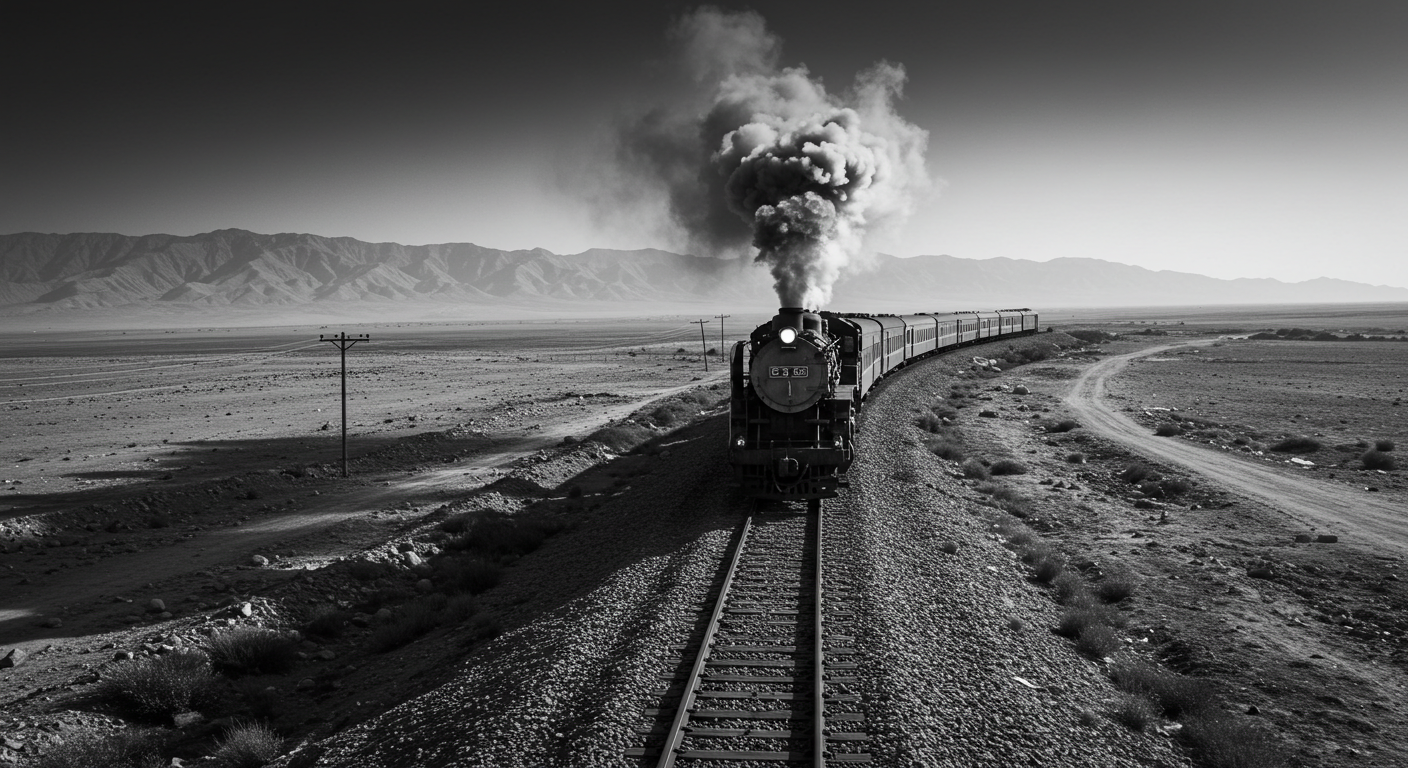
Pakistan Railways is all set to revolutionize the nation’s rail travel experience by introducing a high-tech business train on July 19, 2025. The new service will run on the critical Lahore–Karachi route, which links two of Pakistan’s most populous and economically significant cities. With 28 completely digitized coaches, complimentary high-speed Wi-Fi, and international-standard dining car, the business train is a significant step in the modernization of Pakistan Railways. Prime Minister Shehbaz Sharif is also set to formally open the service from Lahore, a milestone for his government’s overall reform plan for Pakistan Railways.
The new train is set to provide premium journey experience and will aim at getting access to corporates, domestic tourists, and long-range travellers looking forward to feeling comfortable, faster and connected. All the 28 coaches are installed with superior digital systems that offer climate control, ergonomic seats along with and hygienically equipped washrooms. The passengers will be able to work or entertain themselves through free Wi-Fi in all parts of the way. The dining car, of international standards of hospitality will be one which will serve quality food in classy environment, something not being done in the country before in terms of inter city rail facilities.
It is part of a series of high-tech services, which are forming part of a much wider motion of modernization, being done by Pakistan Railways, which include, among others, high-tech ticketing, more flexible bicycles and officials in uniform. In the last couple of years, one can see great progress of the organization with regard to digitalizing desks, improving the services onboard, and improving the stations facilities. Introducing computerized ticketing system is being developed all through the country so as to make booking and accessibility easier. Some of the stations in the country are in the process of being upgraded to have improved waiting halls, electronic display screens, and rooms to accommodate the old and the handicapped. They are no superficial reforms. They symbolize a structural change in changing the speed of operation and also consumption satisfaction.
The Ministry of Railways has also posted high growth in freight and auxiliary service revenues. The ministry generated over Rs 3.95 billion in the last three years alone from brake and luggage van operations. This major chunk of this revenue was earned by outsourcing these services to private contractors through open tenders. This move toward public-private partnerships is assisting Pakistan Railways in eliminating inefficiencies, minimizing expenses, and enhancing the quality of services. Experts have underlined the fact that all contracts are given in a transparent, competitive bidding system with utmost fairness and accountability and to induce private investment in the national infrastructure.
The inauguration of the new business train also reflects Pakistan Railways’ vision for the future, as presented in its “Vision 2026” plan. Initially planned in 2014, the scheme is designed to increase the share of the railway network in national transport from mere 4 percent to at least 20 percent by 2026. That includes modernizing key tracks like ML-1 under the China-Pakistan Economic Corridor (CPEC), purchasing new locomotives and wagons, enhancing signaling systems, and ultimately advancing toward electrification. Even as bigger projects such as ML-1 have experienced delays, the launch of business train is genuine and concrete development for the common Pakistani commuter.
The new train is part of additional high-end services that are operating elsewhere in the country. They consist of the Green Line Express from Karachi to Islamabad, the Pak Business Express between Lahore and Karachi, the iconic Khyber Mail, and the Shah Hussain Express. Several of these trains have already been upgraded with Chinese support, most notably in terms of coach comfort and onboard facilities. The new business train is special, though, in that it boasts a completely digitized ambiance and attraction to a tech-savvy, modern demographic.
The economy is specifically impacted by the opening. The Lahore–Karachi corridor is not just Pakistan’s busiest railway line but also one of its most important inter-provincial commerce and travel conduits. By offering a smooth, networked, and efficient alternative to long-haul flights or driving, the train will reduce travel tiredness, lower emissions, and spur regional economic activity. Greater passenger comfort also means more people use the train as a transport mode instead of driving, alleviating highway congestion and promoting environmental sustainability goals.
📄 POLICY WIRE WHITEPAPER PUBLISHED: PAKISTAN'S NATIONAL SECURITY POLICY PRIORITIES
👉 READ BY CLICKING HEREThis project may become in the coming years be the stepping stone to even greater projects. The most discussed one is the proposed LahoreRawalpindi bullet train, the idea which has been popularized by the Chief Minister of Punjab. Although currently, this is just in the planning process, these projects have a potential of reducing the duration of travel by a great percentage and putting Pakistan on the global map of high-speed rail countries. The new business train will be a successful case study that would be helpful in future expansions and new innovation.
In more general terms, the project would be a testimony to the recent confidence among people in the possibility of carrying out an infrastructure project of modern nature in Pakistan. It is an announcement to the world at home and abroad that Pakistan is not looking back but moving ahead. It is investing on systems that enhance standards of living, economic activity and national morale. In a land where you have heard since time immemorial about the transportation system, especially the use of the public transport, being outdated or not to be trusted, this train is an eye opener in the right direction and that is of comfort, clarity and progress.
The fact is, the introduction of a high-tech business train of Pakistan Railways on July 19 is not a new service in the country, it is a message of desire. The project is still going to revolutionize the experience of traveling the train in Pakistan with digital coaches, modern facilities, and comfort of passengers prioritized. It displays the government desire to be innovative, reformative, and a deliverer. Redesigning its rail system is not merely getting people a step closer to each other and out of danger, it is putting Pakistan on track to progress as well.
Author