

Pakistan Pushes to Revive Gwadar Port with New Shipping Lines and Ferry Services
Pakistan has taken a bold new step toward reviving its long-underutilized Gwadar port in the southwestern province of Balochistan. In a recent announcement, the Ministry of Maritime Affairs confirmed...

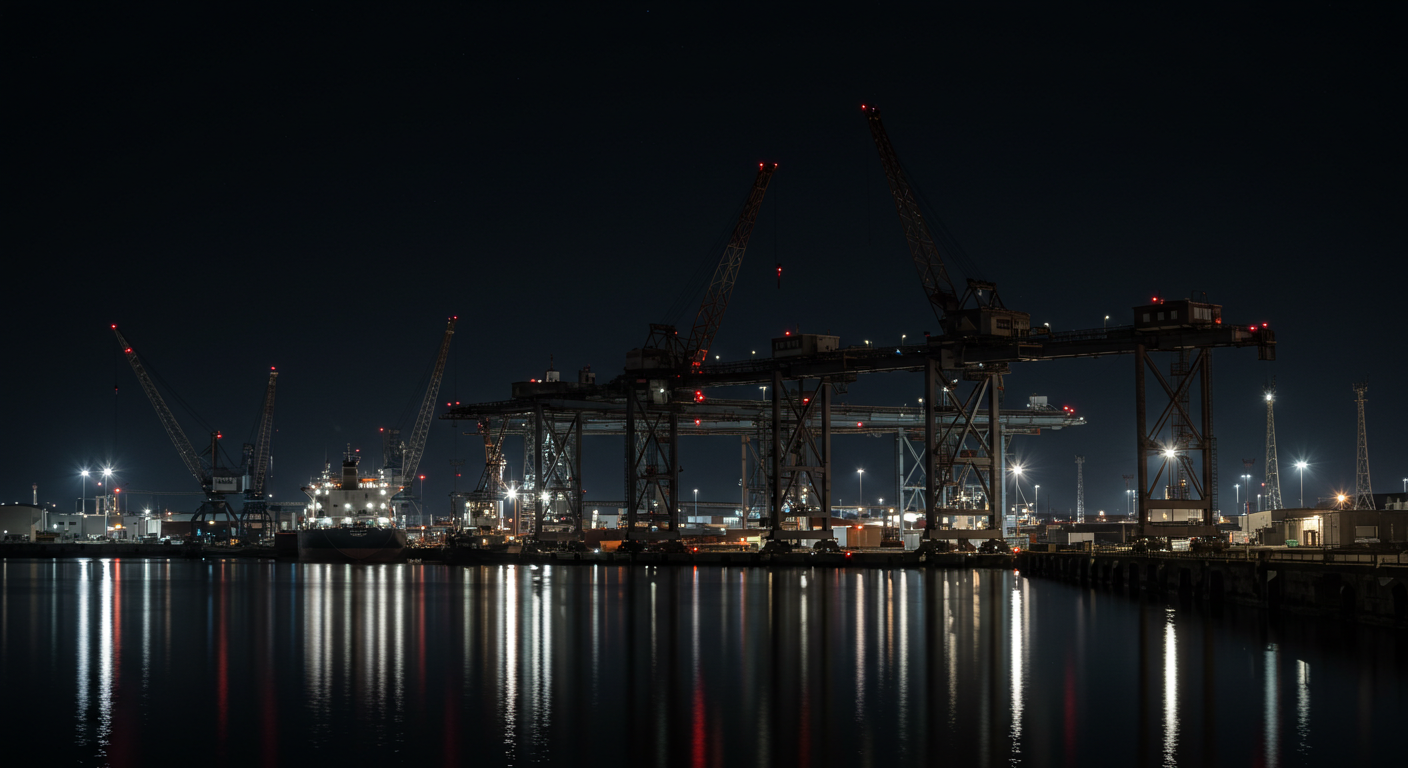
Pakistan has taken a bold new step toward reviving its long-underutilized Gwadar port in the southwestern province of Balochistan. In a recent announcement, the Ministry of Maritime Affairs confirmed that new international shipping lines will be opened from Gwadar, along with a passenger ferry service to connect the port with Gulf countries, including Muscat in Oman. The trend is expected to stimulate a shift in Gwadar into a regional trade center because it will directly economically driven trade between Middle East, Central Asia, and South Asia. Although some critics have criticized the announcement as a mere show of intentions, the overall plan on which such an initiative has been launched is indicative of the fact that Pakistan see Gwadar as a key step towards a strategic location that could be turned into a functional and lucrative hub of economic activity in the West.
The Gwadar port is a modern-day one that was constructed by China in the early 2000s at a cost of 250 million US dollars and has always been imagined as a major component of the China-Pakistan Economic Corridor (CPEC) – the flagship project of the Belt and Road Initiative in Pakistan. Gwadar has been the center point of the CPEC plan since it was initiated in 2015 by President Xi Jinping and the then Prime Minister Nawaz Sharif. Nevertheless, advancement at the port has been low notwithstanding huge investment and long term perspective. The port currently enjoys an average arrival rate of one commercial ship every month. Nevertheless, the latest revealed shipping routes and ferry service are the ways by which Pakistan plans to alter that path and revive the dream of Gwadar.
Official sources indicate that the government of Pakistan is ready to meet the initial expenses at the startup of the ferry and shipping lines. Although precise financial data is not yet presented, and the project is still on an early stage, the political will to finance its development is projected exactly. Most authors and critics have questioned the absence of any business in Gwadar and the non-existence of facilities like hotels, restaurants, and non-stop flights. But it takes time to develop an infrastructure and nobody in the world has ever built a port city overnight. Instead of waiting until everything is right Pakistan is opting to build on the move. Communicating these services will be a move to wake up the sleepy power.
According to some international critics, using tourists or travelers as a means to fly to Islamabad and Karachi respectively, only in order to ride a ferry is not realistic. However, this opinion neglects the main mission of the ferry service, which is not meant to be a luxury touristic experience that rich tourists can enjoy, but its role is the main means of transportation that the thousands of Pakistani workers in the Gulf need. Lots of families in Gwadar and adjacent regions are closely connected with Oman, the UAE, and other Gulf countries in economic and personal terms. Today, the products and the remittances of the Gulf come to Karachi and then have to be hauled by road to Gwadar. Having a direct ferry or shipping service would save logistic costs, enhance efficiency and would have a direct positive impact on the local traders and families. These do not represent imaginary advantages. Elderly inhabitants of the Gwadar are reminiscent about how up to the 1990s, direct cargo ships traveled between Dubai and Gwadar. Such a trade connection was there and local inhabitants always wanted to have that connection back.
While there is only one flight a week from Gwadar to Karachi today, it is also true that Gwadar now has Pakistan’s largest airport in terms of land area, constructed with Chinese funding and opened in January this year. The infrastructure is being laid, even if it has not yet fully matured. Development of this scale requires patience, consistent effort, and faith in long-term outcomes. Pakistan’s commitment to Gwadar reflects that understanding. By focusing on shipping lines, the country is investing in hard trade infrastructure that could eventually reduce Pakistan’s dependency on ports like Karachi and Port Qasim. It also helps diversify Pakistan’s trade routes in a region where access and connectivity are often weaponized for geopolitical reasons.
Critics claim that such announcements are little more than public relations stunts meant to distract from domestic economic challenges. But even symbolic moves can be important signals. After years of delay, public investment and policy focus on Gwadar show that Pakistan is unwilling to let its premier port remain a missed opportunity. The government’s announcement is not just about ferries and ships; it is about reaffirming Gwadar’s strategic and economic value. It is about making a statement that Gwadar is not an abandoned idea it is a living project.
The port already handles some niche exports, such as fertilizer shipments and even the export of donkey meat to China. While that may sound minor or amusing to outsiders, it confirms that Gwadar is functional, and can grow with the right investment. Every major port in the world began with modest cargo volumes. What matters is the direction of growth and the government’s readiness to invest in the right kind of trade infrastructure. If Gwadar is allowed to function with regular shipping lines, it can unlock opportunities not just for Balochistan, but for all of Pakistan.
International critics often ignore the geopolitical pressure that Pakistan faces. As India pushes regional trade toward Iran’s Chabahar port, and Afghanistan’s instability complicates overland trade routes, Pakistan must strengthen its maritime options. Gwadar offers one of the best chances to ensure economic sovereignty and to improve regional connectivity on Pakistan’s own terms. With backing from China and growing local demand, the ferry and shipping initiative deserves support, not cynicism.
Reviving Gwadar is a difficult challenge, but it is also a necessary one. Pakistan cannot afford to let a $250 million asset, and the dreams of an entire coastal population, go to waste. The ferry service, if managed correctly, will reduce travel and cargo costs, build local tourism, connect families across the Gulf, and bring back lost trade ties. Above all, it will put Gwadar back on the map where it belongs: not as a forgotten port, but as a rising star of regional commerce.
Author