Pakistan Offers Month of Free Public Transport After Significant Fuel Price Hike
POLICY WIRE — Islamabad, Pakistan — State-managed public transportation systems in Pakistan’s capital and its most populated province are set to operate free of charge for the next month, officials...

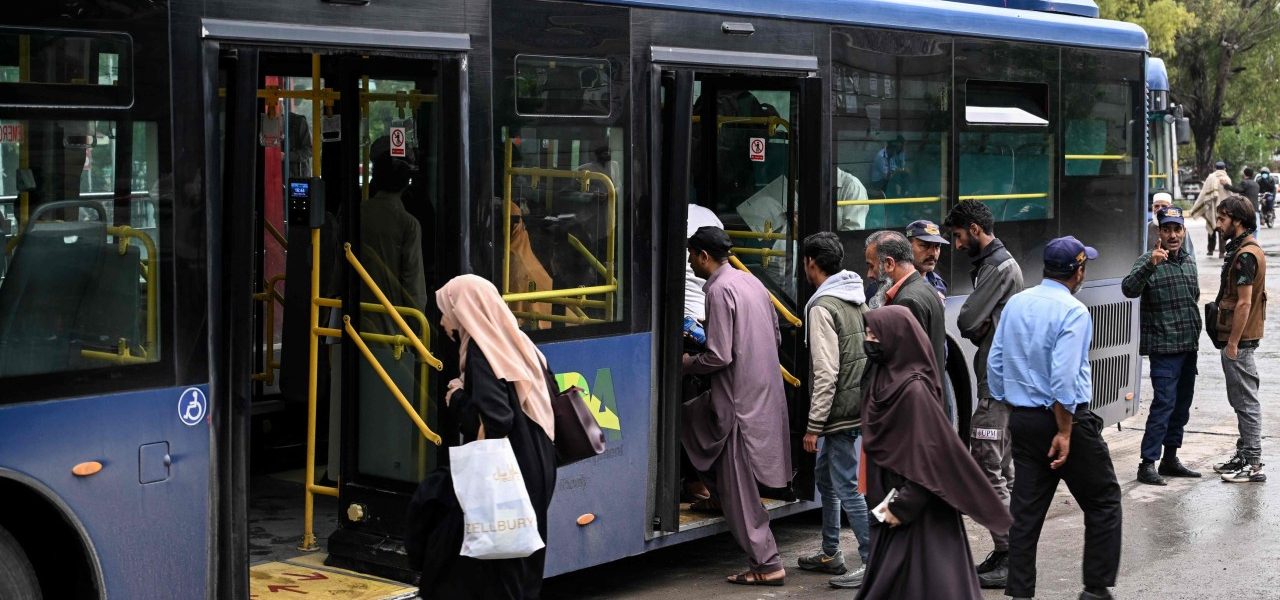
POLICY WIRE — Islamabad, Pakistan — State-managed public transportation systems in Pakistan’s capital and its most populated province are set to operate free of charge for the next month, officials confirmed, a direct consequence of the government’s drastic increase in fuel prices, linked to the conflict in Iran.
This major announcement follows a period of significant public unrest, characterized by widespread street protests and extensive queues of motorcycles at petrol stations. These demonstrations were ignited by a late-night ruling on Thursday that saw petrol prices surge by an alarming 42.7 percent, reaching 485 rupees (equivalent to approximately US$1.70) per litre.
Prime Minister Shehbaz Sharif reportedly moved quickly on Friday evening to address the mounting public pressure. The decision to provide free public transport is widely viewed as a critical government measure to alleviate the immediate financial burden on citizens.
Government Response to Economic Pressure
The abrupt and substantial rise in fuel costs has imposed considerable strain on household budgets and the broader national economy. The government’s initiative aims to offer temporary relief from daily commuting expenses for millions of residents who depend on public transit.
The global energy landscape continues to be volatile, often exacerbated by geopolitical events. To understand how such conflicts impact regional economies, explore Iran Conflict’s Economic Fallout: South Asia’s Vulnerable Economies Face Crisis Amid Soaring Costs.
Alleviating Public Burden and Future Outlook
The swift policy adjustment underscores the government’s recognition of the intense public backlash against the petrol price increase. Offering free transport serves as an immediate, short-term relief strategy to stabilize the situation and avert further widespread social unrest.
📄 POLICY WIRE WHITEPAPER PUBLISHED: PAKISTAN'S NATIONAL SECURITY POLICY PRIORITIES
👉 READ BY CLICKING HEREAuthorities are expected to consider additional measures to manage the economic repercussions, potentially including subsidies or other support programs. These efforts are crucial as the nation contends with persistent inflationary pressures and the wider implications of fluctuations in global commodity prices.
Read More: Global South Fortifies Against US Economic & Geopolitical Influence, Redefining World Order