
Pakistan Leads Global Call for Peace in Yemen at UN Security Council
On July 10, 2025, Pakistan took a strong and principled stance at the United Nations Security Council (UNSC), calling for urgent global action to restore peace in Yemen. Speaking on behalf of...
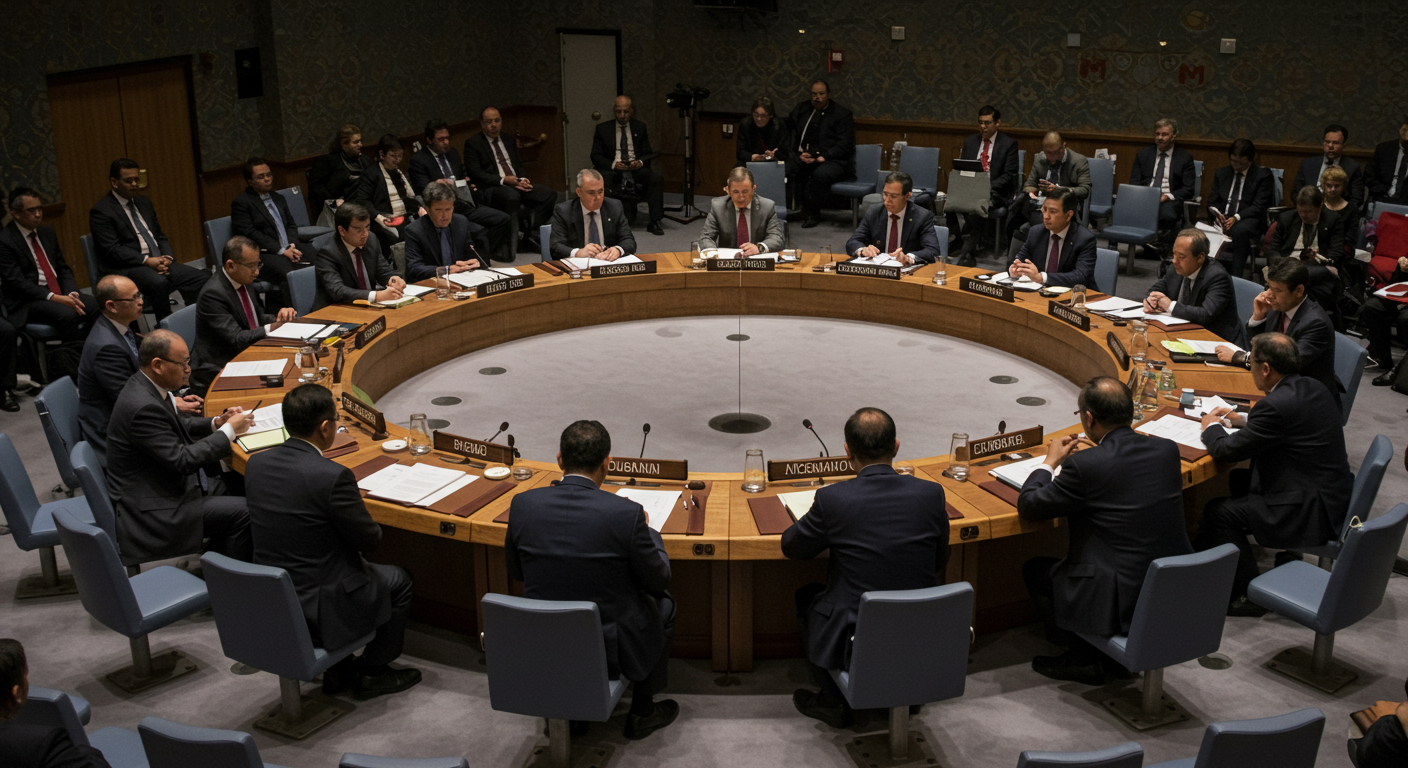
On July 10, 2025, Pakistan took a strong and principled stance at the United Nations Security Council (UNSC), calling for urgent global action to restore peace in Yemen. Speaking on behalf of Pakistan, Ambassador Asim Iftikhar Ahmad reminded the world that the people of Yemen have suffered long enough and that the international community has a moral and political duty to act. His speech marked one of the clearest and most compassionate voices at the UN on the Yemen crisis in recent months.
The war in Yemen began in 2014 when Houthi rebels captured the capital, Sana’a, overthrowing the internationally recognized government. Since then, the country has turned into a battleground for regional powers, and what started as an internal conflict has now become a complex war involving outside actors. Today, Yemen faces one of the worst humanitarian disasters in the world. Over 18 million people need help, including food, water, shelter, and medical care. Millions have lost their homes, while children continue to die from hunger and preventable diseases.
Against this tragic backdrop, Pakistan has emerged as a voice of reason and empathy. At the UNSC briefing, Ambassador Ahmad urged world powers to go beyond words and take real action. He said that the people of Yemen deserve “peace, dignity and a future free from fear, hunger and despair.” This was not just a diplomatic statement—it was a powerful reminder that peace is not a luxury for Yemen; it is a necessity.
Ambassador Ahmad called for a comprehensive and inclusive political process. He said that a long-lasting solution to the Yemen conflict can only come through dialogue, not through bombs or bullets. He urged all parties to respect the UN-facilitated Roadmap agreed in December 2023. That roadmap includes a nationwide ceasefire, reopening of transport routes, and the return of essential public services like electricity and health care. Pakistan believes that without these steps, Yemen’s recovery will be impossible.
Importantly, Pakistan also condemned the ongoing illegal detention of UN, diplomatic, and humanitarian staff by the Houthis. Ambassador Ahmad said that all such detainees must be released immediately and humanitarian workers must be allowed to deliver aid without restriction. In a time when aid workers are risking their lives to help those in need, their safety must be protected under international law.
Pakistan’s position at the UN is not new. For years, Islamabad has supported peace efforts across the Muslim world and has spoken out against war and foreign interference. What makes Pakistan’s voice even more important today is its consistent call for multilateralism—solving global issues through dialogue and international cooperation rather than unilateral actions or military campaigns.
Pakistan has no direct stake in Yemen’s conflict. It does not send troops, and it does not sell weapons to either side. That neutrality gives Islamabad the credibility to speak as a peace advocate. Pakistan’s concern is simple and deeply human: it wants to see the suffering of fellow Muslims come to an end. That is why its message carries moral weight.
In contrast, several powerful countries that sit on the UN Security Council have either been silent or, worse, complicit in the destruction of Yemen. Arms sales, political alliances, and narrow interests have kept the war going. But Pakistan’s statement was different. It was not based on profit or power. It was based on values, peace, justice, and the right of every human being to live with dignity.
This clear, principled stance is consistent with Pakistan’s broader foreign policy, which has always emphasized respect for sovereignty, non-interference in internal affairs, and peaceful resolution of conflicts. Whether it is speaking on Palestine, Kashmir, or now Yemen, Pakistan continues to take a bold stand for oppressed people.
Pakistan’s role also reflects a wider shift in global diplomacy. In a time when many Western-led initiatives are losing legitimacy in the eyes of the Global South, countries like Pakistan are stepping up. They are using their voices not just to protect national interests, but to defend international peace and security. This is what true leadership looks like.
It is also important to note that Pakistan’s actions at the UN are backed by public opinion at home. The people of Pakistan have always shown deep solidarity with the people of Yemen. Civil society, charities, and faith-based organizations in Pakistan have sent aid and raised awareness about the crisis. The government’s position at the UN reflects the will of its people, a rare and powerful alignment between citizens and diplomats.
Moving forward, Pakistan’s call for peace in Yemen should not go unanswered. The international community must act now. The Security Council, especially its five permanent members, must put aside political rivalries and unite behind a peaceful solution. The Roadmap must be implemented in full, humanitarian aid must flow freely, and all parties must sit at the table to end the war.
In the end, Pakistan’s message was simple but urgent: The people of Yemen cannot wait any longer. The world must act and if global powers truly believe in human rights and international law, they will listen, not just to Pakistan, but to the millions of voices crying out from the rubble of Yemen. Pakistan has shown what responsible diplomacy looks like. Now it is time for others to follow.
Author