

The Price of Grit: Bloodied Bout Forces Hard Look at Boxing’s Ethical Blind Spots
POLICY WIRE — London, UK — Forget the glittering WBO belt draped over Daniel Dubois. The true, haunting image from Manchester last Saturday? It’s Fabio Wardley’s face—a grotesque tableau of...

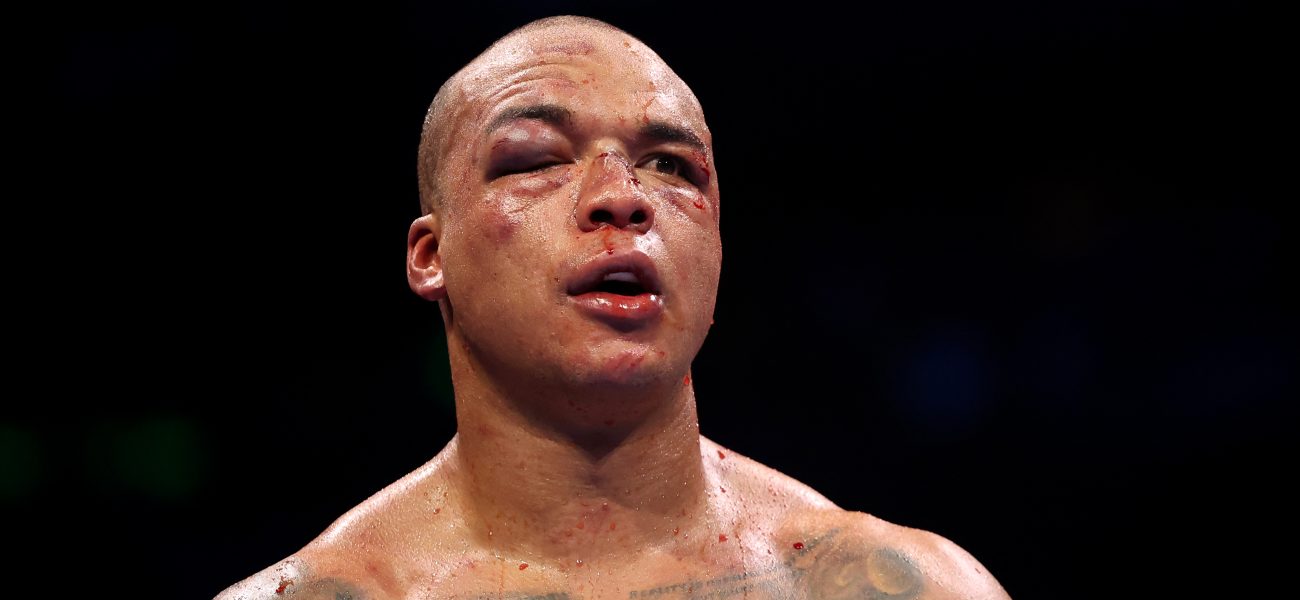
POLICY WIRE — London, UK — Forget the glittering WBO belt draped over Daniel Dubois. The true, haunting image from Manchester last Saturday? It’s Fabio Wardley’s face—a grotesque tableau of disfigurement, a crimson canvas, etched not just on ringside monitors but, surely, into the uneasy consciences of anyone still clinging to romantic notions of combat sports. And it forces us, once again, to ask who exactly is accountable when the cheers morph into grimaces, when “courage” inches terrifyingly close to medical negligence.
Dubois, 28, the man they call “Dynamite,” certainly exorcised a few demons that night. He rose twice from the floor, shrugging off a “quitter” label that’s been stubbornly stuck since his 2020 loss to Joe Joyce. But while he clinched the heavyweight title with a pulverizing performance, raining down punishment on Wardley, 31, a different narrative unfolded. It wasn’t merely a fight; it was a clinical exhibition of controlled destruction, culminating in Wardley looking as though he’d gone head-to-head with a speeding lorry.
The fight — a spectacle, sure, for an indoor British record crowd of 18,212, according to BoxRec data — ended 28 seconds into the 11th round. But long before then, it had ceased being a sporting contest. Wardley’s face, flattened — and engorged, was a visual argument against its continuation. His right eye? Gone. The other was heading the same way. The referee, Howard Foster—himself no stranger to controversies over premature stoppages or, conversely, letting things go too long—finally stepped in. And it’s hard not to notice a collective sigh of relief rippling through parts of the Co-op Live Arena.
“We’ve seen brutal fights before, but the lack of intervention, frankly, felt like a dereliction of duty,” commented Sarah Jenkins, a senior policy advisor for the UK’s Department for Culture, Media and Sport, speaking off the record. “When the ringside doctor and a fighter’s own corner don’t pull the plug, it raises serious questions about the ethical framework underpinning these events. Don’t you think? It’s not just about winning; it’s about a career, a life, after the final bell.” Jenkins’ implied frustration resonates with many watching the high-stakes ecosystem of professional sports.
Because let’s be honest, there’s an inherent conflict in this game. Promoters want a thrilling show. Fans crave drama. Fighters, especially those like Wardley who pride themselves on unbreakable resolve, will fight until their bodies physically betray them. The decision-makers—the referees, the ringside doctors, the trainers in the corner—are meant to be the sober voice in the storm. Yet, on nights like these, their collective judgment often seems clouded by the very adrenaline that electrifies the audience. “You learn a lot about yourself when you’re staring adversity in the face,” Dubois said after the fight, downplaying the sheer brutality. “I dug deep. That’s what champions do.” While true for his personal journey, it doesn’t quite cover the moral tightrope walked by the sport itself.
This incident isn’t isolated. It’s a recurrent symptom of an industry perpetually balancing visceral entertainment with athlete welfare. From the barrios of Caracas to the bustling fight clubs of Karachi, the appeal of boxing is global. It promises a rapid, if punishing, path out of poverty for many, including young talents from developing nations in South Asia and the broader Muslim world. They dream of belts and glory, often blind to the brutal reality of competitive arenas and the systemic issues that sometimes jeopardize their well-being. These fights, broadcast globally, inadvertently set a dangerous precedent, celebrating endurance over common sense, turning cautionary tales into spectacles.
What This Means
The Wardley-Dubois bout, especially its closing stages, will undoubtedly prompt fresh scrutiny of boxing’s regulatory apparatus in the UK and potentially abroad. Politically, there might be renewed calls for parliamentary inquiries into fighter safety, leading to pressure on governing bodies to standardize medical protocols, introduce stricter TKO rules, and possibly empower ringside doctors with more autonomous authority to stop fights without pressure from corners or crowds. Economically, while promoters like Frank Warren celebrate blockbuster gates—he called it the ‘best heavyweight fight I’ve ever put on’—there’s a brewing unease about the long-term liabilities associated with such displays. Insurers might reassess policies, — and ethical investors could shy away. For a sport increasingly looking to expand into new markets—some of which might have less robust safety frameworks—the optics of an evening like this aren’t great. It underscores a fundamental challenge: how do you market a product built on controlled violence without glorifying harm, especially when those charged with control sometimes fail?