


Pakistan Calls on ECO to Act for Regional Peace
At a crucial gathering of the Economic Cooperation Organization (ECO) Council of Ministers in New York, Pakistan issued a clear call to action, emphasizing that the complete elimination of...

At a crucial gathering of the Economic Cooperation Organization (ECO) Council of Ministers in New York, Pakistan issued a clear call to action, emphasizing that the complete elimination of cross-border terrorism originating from Afghanistan is indispensable for long-term regional stability, economic integration, and trade connectivity. Speaking on behalf of the country, Foreign Minister Ishaq Dar underscored that true economic progress across Central and South Asia cannot be realized as long as terrorist infrastructure remains intact across the border. As Pakistan assumes the rotating chairmanship of the ten-member Eurasian bloc for the 2026-27 term, Islamabad reaffirmed its unwavering dedication to peaceful, negotiated dispute resolutions under the framework of international law, while simultaneously asserting its sovereign right to defend its citizens and territory from external aggression.
Pakistan’s core foreign policy vision toward its western neighbor has consistently focused on nurturing a stable, peaceful, and economically thriving Afghanistan that exists at peace with itself and its regional partners. Driven by this goodwill, Islamabad actively pursued and championed constructive diplomatic engagement with the interim Taliban administration following their return to power, recognizing that economic normalization and humanitarian assistance were vital for the Afghan people. However, this advocacy was underpinned by a fundamental and reasonable expectation that the Taliban administration would honor its international commitments and fulfill its solemn pledge to prevent Afghan territory from being utilized as a launching pad for hostile operations against neighboring sovereign states.
Despite repeated diplomatic outreach, Pakistan continues to face severe security challenges stemming from terrorist groups operating with impunity from safe havens inside Afghanistan. Militant organizations, including the Tehreek-e-Taliban Pakistan (TTP) and the Baloch Liberation Army (BLA), along with their network of violent affiliates, have repeatedly mounted deadly assaults against Pakistani security personnel, law enforcement agencies, and critical public infrastructure across Khyber Pakhtunkhwa and Balochistan. The persistent inaction and reluctance of the Afghan Taliban to dismantle these well-established terror hubs have forced Pakistan to confront an ongoing existential threat to its national security, undermining years of diplomatic efforts to build bilateral trust.
The gravity of this persistent security threat was tragically illustrated by a major terror attack targeting a police compound in Kohat, which resulted in the loss of seventeen brave police officers and six innocent civilians. Faced with this unprovoked violation of its national security, Pakistani armed forces conducted precise, intelligence-based retaliatory strikes within Afghan territory, successfully neutralizing twenty-eight high-value militants involved in planning and executing acts of violence against Pakistan. These actions were conducted out of pure necessity as a measure of self-defense, demonstrating Islamabad’s firm resolve to protect its citizens and eliminate hostile elements whenever diplomatic channels are met with continued indifference or systemic failure by local authorities.
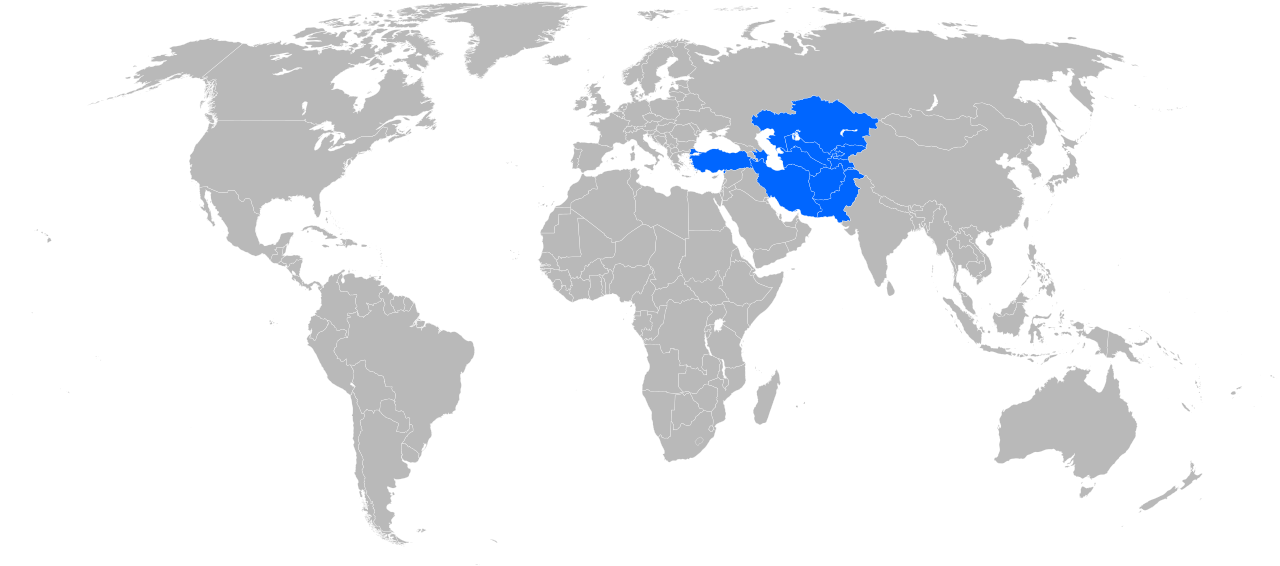
Since its establishment in 1985 by Pakistan, Iran, and Türkiye, and its subsequent expansion in 1992 to include Afghanistan and Central Asian nations, the Economic Cooperation Organization has served as a vital vehicle for promoting regional trade, transit transport networks, sustainable energy distribution, and mutual economic growth. However, economic integration cannot survive, let alone flourish, in a climate dominated by insecurity and unchecked cross-border violence. Foreign Minister Dar made it explicitly clear to his counterparts that multi-billion-dollar infrastructure initiatives, energy corridors connecting resource-rich Central Asia to South Asia, and regional connectivity projects will remain stalled if the threat of extremism is allowed to persist unchecked.
The international community, as well as member states of the ECO, must recognize that Pakistan’s security struggles are deeply intertwined with the overarching stability of the entire Eurasian landscape. Pakistan’s proactive stance at the ECO forum highlights the realistic reality that regional economic growth and effective counter-terrorism measures are inseparable imperatives. For the Taliban administration, taking verifiable, concrete, and decisive steps to dismantle anti-Pakistan militant groups is not merely a bilateral requirement, but an absolute necessity to earn global legitimacy, ensure internal stability, and transform Afghanistan into a safe land bridge for international commerce and regional prosperity.
Author