

Oregon’s Road to Ruin? A Gas Tax Gamble Amidst Soaring Pump Prices
POLICY WIRE — Salem, Oregon — The air’s thick with political smoke here, thick enough to mask the fresh asphalt everyone says they desperately need. Oregon Democrats, bless their hearts, cooked up a...

POLICY WIRE — Salem, Oregon — The air’s thick with political smoke here, thick enough to mask the fresh asphalt everyone says they desperately need. Oregon Democrats, bless their hearts, cooked up a plan for better roads and bridges, infrastructure projects you can practically feel crumbling under your tires. A fine idea, in principle. But here’s the rub: they want to pay for it with a fresh jab at the gas pump—and they’re sending it straight to voters just as filling up the tank feels like daylight robbery. It’s a high-stakes gamble, plain — and simple.
It isn’t as if the state’s transportation network is a shining example of modernity; far from it. For years, politicians have warned about neglected roadways, bridges deemed structurally unsound, and gridlock choking economic arteries. So, after some backroom haggling and not a small amount of political horse-trading, the Democratic-led legislature approved a significant package, touted as the fix-all for Oregon’s long-suffering commuters. But their chosen funding mechanism, a hike to the state’s already considerable gas tax, now faces a gauntlet of public ire. The audacity of timing, some might say, is almost theatrical.
“We’ve kicked this can down the road for too long, haven’t we?” remarked State Senator Eleanor Vance (D-Portland), her voice firm amidst the Capitol’s marble halls. “These aren’t luxury items; they’re safety improvements, jobs, economic arteries. Asking Oregonians to invest in their state is tough, yes, especially right now. But what’s the alternative? More crumbling bridges? More pot-holed detours? We’ve structured this to ensure accountability, for goodness sake.” She’s not wrong about the necessity, but sometimes, necessity doesn’t pay the bills at the pump, does it?
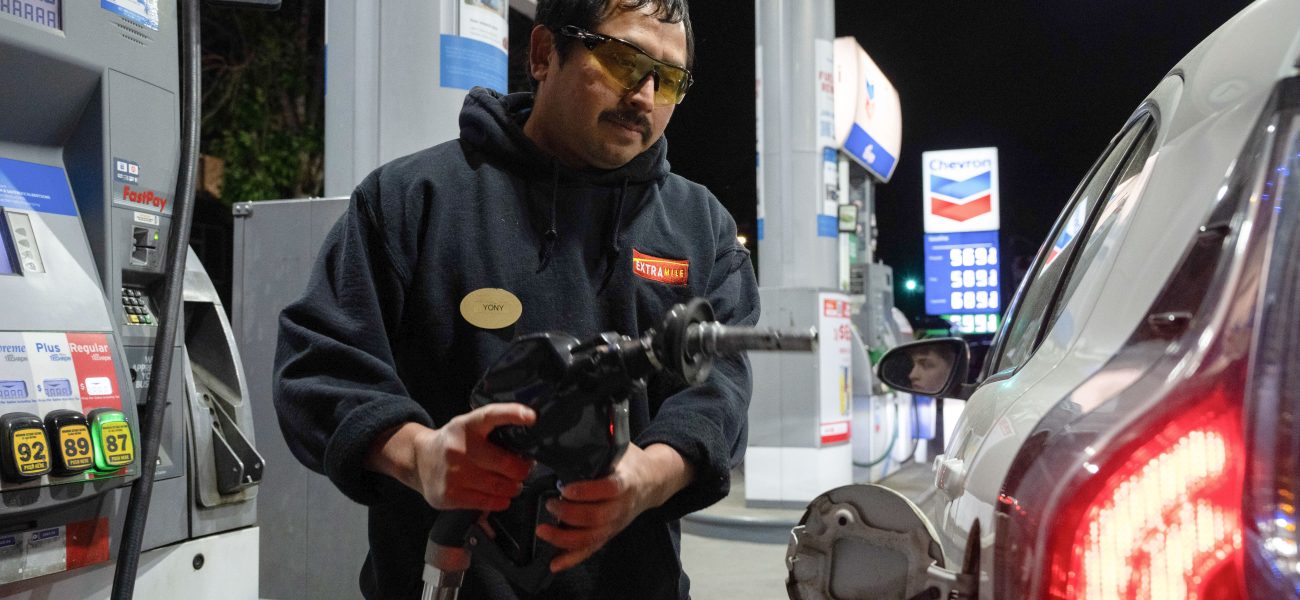
Because that’s where the rubber meets the road—literally. Americans, including Oregonians, are shelling out significantly more for gasoline than they were a year ago. Nationally, the average price of a gallon of regular gasoline recently hit its highest point since 2014, surpassing $4 a gallon according to the American Automobile Association (AAA) data from earlier this year. This isn’t abstract economics; it’s families choosing between dinner — and the drive to work. And here come the Democrats, hat in hand, asking for more.
“It’s tone-deaf, it’s frankly insulting,” retorted Representative Mark Jensen (R-Salem), usually one for understated critiques, now openly fuming. “Folks are already pinching pennies. They’re struggling to make ends meet. To ask for more at the gas station right now? It’s adding insult to injury. The state has other revenue streams; they should learn to manage what they’ve got before reaching deeper into our pockets.” His words, often dismissed by the majority, likely echo a sentiment shared by many drivers who just want a bit of relief.
And you see similar strains playing out globally, frankly. This isn’t just an Oregon problem. High energy costs hit everyone, everywhere. For instance, in Pakistan, spiraling oil prices mean inflation gnaws away at household budgets, impacting food, transport, and everything else. It can destabilize governments, fueling protests — and social unrest. What Oregonians are experiencing at their gas stations, while perhaps less existentially threatening, is a slice of that same global economic pie: rising resource costs colliding with political promises. It’s just that in Oregon, they’re being asked to vote for their own pain.
The ballot measure isn’t some backroom deal, remember; it’s a direct plea to the citizenry. And voters, in this state, have a history of surprising both parties when pushed too far on taxes. The question now isn’t merely about roads—it’s about trust, economic pain, and the perceived arrogance of political elites in the face of very real, kitchen-table struggles. It’s a moment when the pragmatic goals of infrastructure improvements slam headfirst into the messy, unpredictable reality of public sentiment.
What This Means
This situation presents a tricky tightrope walk for Oregon’s Democrats. A rejection of the gas tax won’t just mean fewer road repairs; it’ll signal a significant loss of political capital for the party in power. It also complicates future infrastructure funding discussions, potentially forcing lawmakers to explore less direct (and often less equitable) revenue sources like tolls or sales taxes, which Oregon has largely avoided. A ‘no’ vote could also embolden Republican opposition, positioning them as the champions of the average consumer against what they’d brand as governmental overreach and fiscal mismanagement. It’s not just about potholes anymore; it’s a referendum on leadership — and economic empathy.
On the flip side, a ‘yes’ vote would hand Democrats a rare victory in tax policy during a period of economic unease. It would allow them to boast of tackling long-standing infrastructure woes, possibly burnishing their reputation as effective, albeit tough-minded, governance stewards. But even a victory might feel Pyrrhic if it further alienates a segment of the electorate already reeling from high prices. This kind of nuanced voter decision, caught between necessity and immediate financial pressure, could offer valuable insights into public priorities during times of economic strain, much like the political economy of energy consumption elsewhere.
The outcome here might also set a precedent. Other states, wrestling with aging infrastructure and declining fuel tax revenues (due to more fuel-efficient vehicles), are watching. If Oregonians bite the bullet, it could give other legislatures cover to propose similar measures. But if they balk, it sends a chilling message to any politician contemplating taxing gasoline as the panacea for infrastructure woes when global energy markets are already driving prices through the roof. It’s a messy bit of democracy playing out in real-time, isn’t it?