


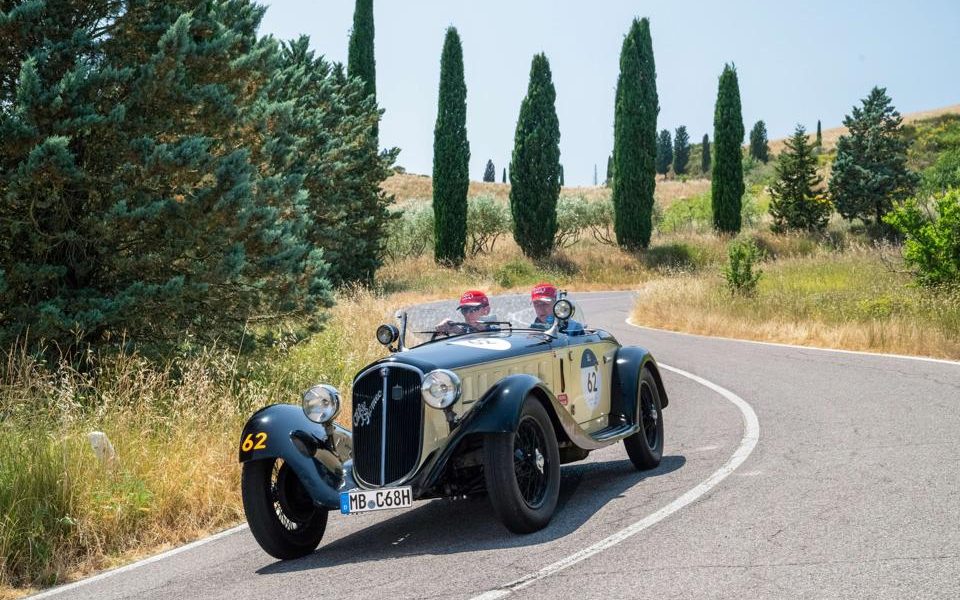
Germany’s Luxury Car Conclave: Opulence & Paradox
Germany's 2026 Concours of Elegance spotlights ultra-luxury cars, sparking debate on wealth, environment, and global discord. Unpack the surprising paradox.

POLICY WIRE — Berlin, Germany — You know, there’s something undeniably… rich about a car show dedicated to elegance. Not just fancy rich, but the kind of über-wealth that feels almost anachronistic in our twitchy global economy. Forget the usual hustle — and bustle of new model unveilings; this isn’t about horsepower or cutting-edge tech (mostly). This is about pedigree, patina, and prices that could finance small nations—or at least a decent infrastructure project.
Germany, it seems, is gearing up to host its 2026 Concours of Elegance. Forty-two cars. Just forty-two. Not 420, not 4,200. A highly curated, ridiculously expensive little gathering for the planet’s automotive connoisseurs. And frankly, that’s what makes it so fascinating from a political economy perspective. It’s a bold, unapologetic declaration of old-money aesthetics at a moment when the world, quite frankly, is struggling to agree on much else.
It’s not just a collection of vehicles; it’s a parade of capital, heritage, and perhaps a subtle finger pointed at the fleeting nature of modern material obsessions. But what does it mean for Berlin to host such a concentrated display of opulence right now? It’s not just a private hobby. It’s a statement, however unintentional, in a continent grappling with energy crises, demographic shifts, and the simmering resentments of global inequality. Because let’s be real, while much of Europe tightens its belt, some folks are still deciding between a 1930s Bugatti and a ’57 Ferrari for their afternoon drive.
But the German auto industry, a cornerstone of its national prosperity, has long perfected the art of high-end manufacturing. They understand, better than most, that luxury isn’t just about functionality—it’s about aspiration, identity, and quite often, an almost perverse delight in exclusivity. The economic impact isn’t just limited to the direct sales. It’s the brand halo, the skilled labor, the intricate supply chains, all contributing to an industrial base the rest of the world envies. In 2023, Germany exported motor vehicles and parts worth over 266 billion Euros, a figure that includes a significant proportion of high-value, luxury-segment vehicles, according to the German Federal Statistical Office. It keeps many, many jobs humming along. It keeps German engineers busy.
Yet, these spectacles of rare, fuel-hungry machines clash, rather starkly, with the Green Party’s rising influence and Germany’s aggressive push towards climate neutrality. It’s a friction you can practically feel. The same nation that championed rigorous environmental policies also proudly hosts gatherings celebrating the pinnacles of fossil-fueled engineering. And that’s not just some kind of odd bureaucratic oversight; it’s a deeply human, deeply political paradox. It shows the messy, often contradictory, desires inherent in any modern society trying to balance tradition, economy, and progress. Or perhaps it’s just excellent marketing for the high-end brands.
On the flip side, consider how this plays out in regions like South Asia. The Concours isn’t just for German millionaires. Wealthy collectors from Pakistan, India, the Gulf states, — and beyond often view these events as pilgrimages. For some, owning a meticulously restored pre-war Mercedes isn’t just a passion; it’s a status symbol that broadcasts economic power, historical knowledge, and an understanding of globalized luxury codes back home. It’s a signal. The fascination is palpable—an echo of imperial tastes, perhaps, blended with the financial muscle of contemporary economic ascendancy. You see, the market for these exquisite machines isn’t limited by borders. It’s truly global.
📄 POLICY WIRE WHITEPAPER PUBLISHED: PAKISTAN'S NATIONAL SECURITY POLICY PRIORITIES
👉 READ BY CLICKING HEREThe original content says, of course, that the event [QUOTE_PLACEHOLDER] but offers nothing more. That’s alright, we get it. We understand the unspoken context. But you can’t help but think about the wider implications when such events unfold in plain sight. They certainly prompt more questions than answers about the state of global wealth, taste, — and power.
What This Means
This 2026 Concours isn’t merely a display of fancy motors; it’s a barometer for economic health and, dare I say, a social fault line. Germany, a leading European economy and industrial powerhouse, uses such events, consciously or not, to project an image of stability and high-end manufacturing prowess. It’s an unspoken soft power play. We make the best, goes the narrative, — and the wealthiest still come to us for their most prized possessions.
Economically, it funnels capital, supports niche skilled labor, and burnishes Germany’s automotive reputation globally, influencing perception far beyond mere sales figures. But culturally, these gatherings increasingly highlight the chasm between the ultra-wealthy and the rest, fostering a kind of quiet class resentment, especially as environmental concerns continue to grow. Because not everyone drives a Maybach. This is where the aspirational meets the frankly unattainable, setting off discussions, however hushed, about equitable resource distribution and consumption patterns in a world that can ill-afford to ignore such things. It’s an interesting tension to observe, to say the least.