


Oil Prices Surge Past $90 Amid Strait of Hormuz Tensions
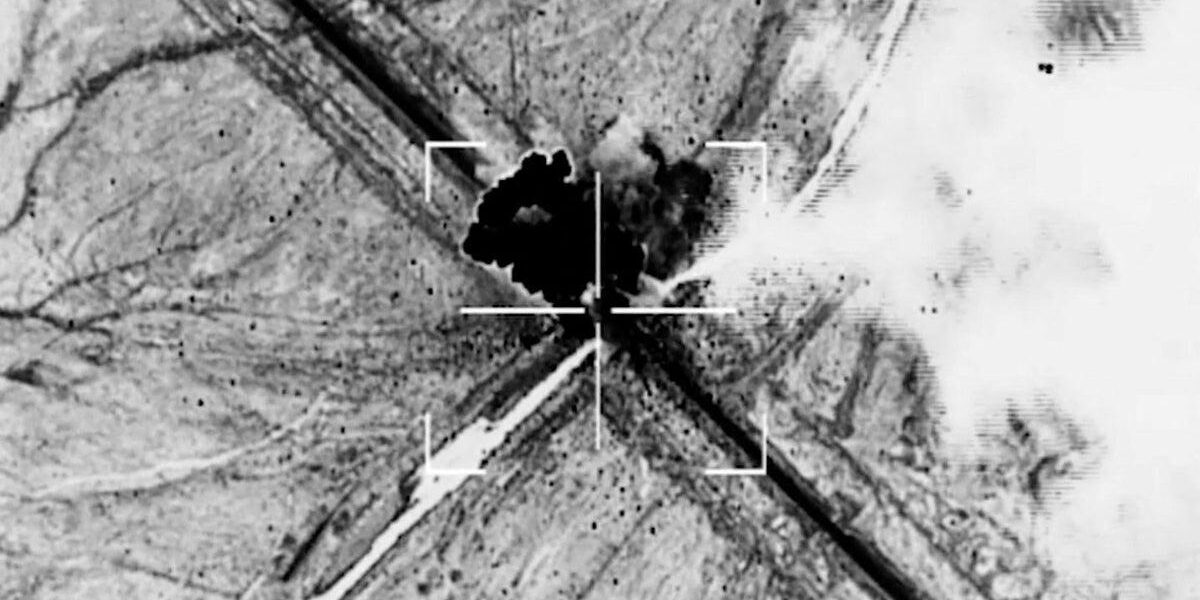
Oil futures climbed above $90 a barrel following reports of Iranian military actions targeting two tankers in the critical Strait of Hormuz waterway, escalating regional tensions.

LONDON — Global crude oil prices have surged, with Brent crude futures climbing above $90 a barrel, amidst heightened geopolitical tensions surrounding the Strait of Hormuz. The increase follows reports of Iranian military operations targeting two commercial tankers in the critical shipping lane.
The Strait of Hormuz, a narrow waterway between Iran and Oman, is a strategically vital chokepoint through which approximately one-fifth of the world’s total oil consumption, and a substantial portion of global liquefied natural gas (LNG), passes daily. Any disruption in this area typically triggers significant volatility in international energy markets.
Market analysts attributed the price rally to concerns over potential supply disruptions, as traders reacted to the reported incidents. The precise nature and extent of the alleged Iranian military actions against the tankers were not immediately detailed, but the news alone was sufficient to fuel market apprehension.
The escalation comes as geopolitical stability in the wider Middle East remains fragile. Previous incidents involving maritime security in the Persian Gulf have similarly impacted oil prices, highlighting the region’s outsized influence on global energy supplies and economic stability.
Energy market participants are closely monitoring developments, with further price movements anticipated depending on official statements from regional actors and international bodies regarding the safety of shipping in the Strait of Hormuz.
The Brent crude benchmark, which is widely used for two-thirds of the world’s internationally traded crude oil, saw its highest levels in recent months following the reports. The West Texas Intermediate (WTI) benchmark, the main U.S. oil gauge, also registered significant gains.
Increased insurance premiums for vessels operating in the region are also expected, potentially adding to the cost of crude oil transportation and further impacting consumer prices.
Reporting by Policy-Wire (PW)