


New vs. Used EVs: Which Offers Better Value for Money?
POLICY WIRE — City, Country — In the latest DriveSmart newsletter, EV editor Steve Fowler discusses the merits of purchasing new 76-plate electric vehicles (EVs) versus opting for a used EV, which is...

POLICY WIRE — City, Country — In the latest DriveSmart newsletter, EV editor Steve Fowler discusses the merits of purchasing new 76-plate electric vehicles (EVs) versus opting for a used EV, which is increasingly becoming a cost-effective alternative.
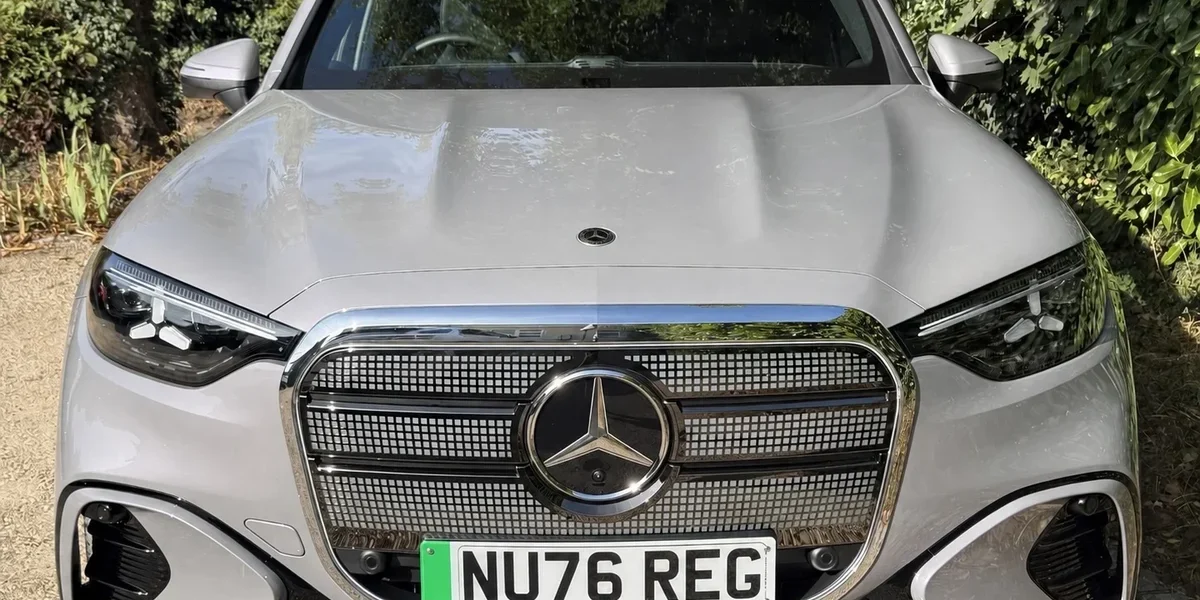
The introduction of the new 76 registration plate is imminent, though its significance may not resonate as strongly as it once did. Despite this, the arrival of new registration plates remains a notable event in the automotive world.
Fowler reminisces about the excitement surrounding plate change days in the past and acknowledges that while fewer people may be as enthusiastic today, September is still a month that prompts many to consider changing their vehicles. For those eyeing an electric car, Fowler suggests an additional consideration: is a brand-new EV necessary?
There are compelling reasons to choose a new EV. The rapid advancements in electric vehicle technology mean that newer models typically offer greater range, faster charging times, and often come at a lower cost than their predecessors. Additionally, new EVs come with full warranties, pristine batteries, the latest safety features, and customizable options for color and specifications.
On the other hand, the used EV market presents attractive opportunities. Many used EVs have already undergone significant depreciation, making them a valuable option for buyers. The Society of Motor Manufacturers and Traders reports a 67% increase in used EV transactions from April to June this year, accounting for a record 5.5% of used-car sales.
Fowler notes that while the used EV market has seen substantial price drops, there are indications that prices may be stabilizing. Auto Trader data shows a 3.3% year-on-year increase in used EV asking prices in July, driven by rising demand.
Concerns about battery health in used EVs are common, but Fowler reassures that battery degradation is generally gradual. Research involving over 22,000 electric cars found an average annual battery degradation of just over two percent, suggesting that EV batteries remain functional well beyond their third or fourth year.
📄 POLICY WIRE WHITEPAPER PUBLISHED: PAKISTAN’S NATIONAL SECURITY POLICY PRIORITIES
Fowler advises potential buyers to assess the battery’s state of health, especially for older or high-mileage cars, and to ensure that software updates and recalls have been addressed. He also recommends checking the remaining battery warranty and verifying the presence of charging cables.
it is important to recognize that not all used EVs are created equal. Early models may have had limited range and slower charging speeds, which could be inadequate for long-distance drivers. However, for those with primarily local driving needs, an older EV with a range of 150 to 200 miles might suffice.
Fowler also points out that some two- to three-year-old EVs come with advanced features and technologies, making them a luxurious yet affordable option. Software-over-the-air updates can even enhance the performance and features of used EVs.
, Fowler recommends buying a new EV for those seeking the latest model, technology, and warranty. However, he encourages considering used EVs for their potential savings and the possibility of finding well-maintained, feature-rich vehicles at a fraction of the new price.
Reporting by Policy-Wire (PW)