

Ash and Afterthought: New Mexico’s Blaze a Microcosm of Global Climate Standoff
POLICY WIRE — Capitan, N.M. — It’s a statistic whispered almost triumphantly from incident command centers across the American West: 71 percent containment. Yet, for the parched earth of New Mexico’s...

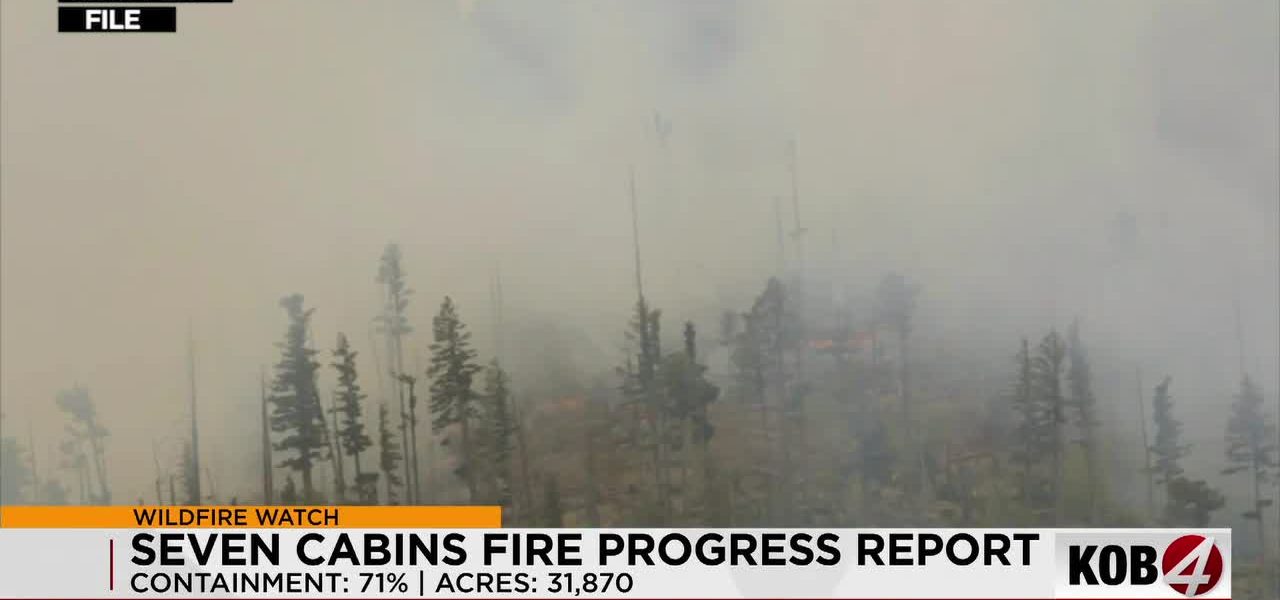
POLICY WIRE — Capitan, N.M. — It’s a statistic whispered almost triumphantly from incident command centers across the American West: 71 percent containment. Yet, for the parched earth of New Mexico’s Capitan Mountains, the raw number barely scratches the surface of the environmental reckoning. Thirty-two thousand acres of ancient Ponderosa and fragrant Pinyon pine—irreplaceable habitats, once teeming with life—are now just so much carbon dust. We’ve wrestled this particular blaze, dubbed the Seven Cabins Fire, toward a reluctant quiet, but the ghost of what was, lingers.
It’s early May when these wildfires inevitably erupt, seemingly on cue—a cruel annual ritual for the sun-baked, brittle forests. This time, Capitan bore the brunt, its rugged peaks and canyons acting as an unfortunate, sprawling canvas for nature’s fury. Fire crews, those weary souls battling a ceaseless enemy, have been relentless. Their current mission? To simply [QUOTE_PLACEHOLDER] It’s grueling. It’s often thankless.
Friday brought a brief reprieve. The folks out there, dirty and determined, spent their day doing what they do: [QUOTE_PLACEHOLDER] Think of it as a constant, watchful vigilance—a high-stakes game of whack-a-mole against a sprawling, infernal opponent. But for once, Lady Luck smiled, even if only faintly. Crews confirmed they [QUOTE_PLACEHOLDER] and yes, they were even [QUOTE_PLACEHOLDER] A breath of fresh air, literal and metaphorical, after days that must have felt like months.
This isn’t just about New Mexico, though. This narrative of encroaching flames — and shrinking habitats? It plays out with terrifying regularity across the globe. Just last year, wildfires scorched over 250 million acres worldwide—a figure provided by the Global Forest Watch, signaling a dire trend no region can escape. But what about the less fortunate, less resourced nations facing similar threats? What about a country like Pakistan, for instance, where similar landscapes are vulnerable to uncontrolled blazes, yet with far fewer assets—aerial, technological, and human—to combat them? That’s where the global conversation around climate resilience often stalls. Because some places, well, they can barely contain the crises they’ve got. We’re quick to measure acres burned, slower to measure systemic failures.
You can’t ignore the larger context, you just can’t. These aren’t isolated incidents. They’re symptoms, harsh, undeniable symptoms, of a climate that’s simply… different now. And yes, a lot of our public conversation often glosses over the long-term prognosis for these areas once the smoke clears and the containment numbers hit a hundred percent. The forest might stand, blackened and silent, for decades before truly recovering—if it ever does.
📄 POLICY WIRE WHITEPAPER PUBLISHED: PAKISTAN'S NATIONAL SECURITY POLICY PRIORITIES
👉 READ BY CLICKING HEREWhat This Means
The Capitan fire’s near-containment isn’t a victory; it’s merely a pause. Politically, this relentless march of climate-driven disasters puts immense strain on state budgets, demanding a perpetual drain on emergency services. Governors are forced to shift resources, diverting funds that could bolster education or infrastructure towards simply reacting to the immediate inferno. Economically, we’re talking about massive hits to timber industries, recreation, and local economies reliant on tourism that sees smoke-filled skies as a season-ending deterrent. Property values dip, insurance premiums skyrocket, and the cycle of destruction and rebuilding becomes a costly, almost Kafkaesque, norm.
Then there’s the broader international context, particularly for developing nations. The global north has resources, relatively speaking, but imagine the cascading effect in, say, a developing nation in South Asia. A wildfire of this scale there wouldn’t just threaten homes; it’d obliterate livelihoods, displace entire communities, and likely strain already fragile governance systems. The ecological trauma is universal, but the capacity for recovery, the political will, and the economic wherewithal to rebuild simply aren’t. And that gap, that profound inequality in coping mechanisms, defines the geopolitical implications of a warming world. So while we nod at New Mexico’s 71%, a deeper, more troubling tally quietly accumulates, waiting for us to actually connect the dots before it’s too late. It’s an escalating natural phenomenon—that isn’t so natural after all—and it just makes you think. About global tensions and what really matters.