


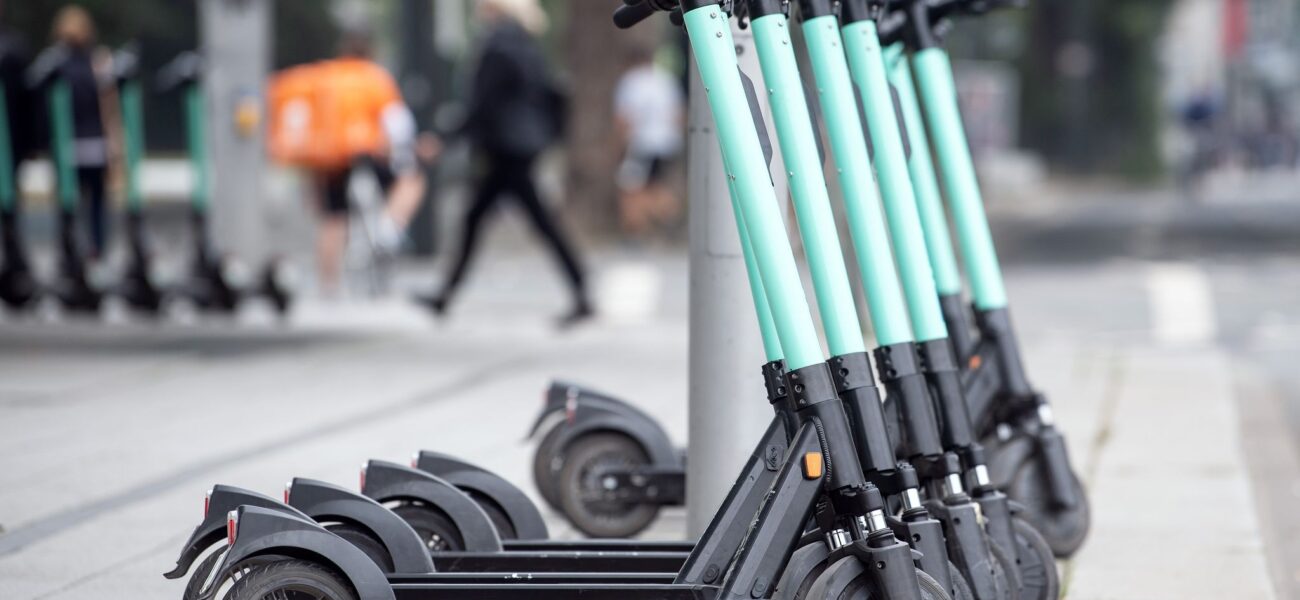
Berlin’s Scooter Shakedown: Bundestag Tightens Leash on Reckless Rideables Amid Soaring Crashes
POLICY WIRE — Berlin, Germany — You probably wouldn’t think a device designed for breezy urban mobility could spark such legislative headaches. Yet, beneath the serene façade of Berlin’s...

POLICY WIRE — Berlin, Germany — You probably wouldn’t think a device designed for breezy urban mobility could spark such legislative headaches. Yet, beneath the serene façade of Berlin’s stately government buildings, Germany’s Bundestag has been wrestling with an entirely modern problem: the ubiquitous electric scooter.
It’s not often that a short-range personal transport item becomes the focus of parliamentary debate. But these seemingly innocuous two-wheelers, once hailed as a panacea for traffic congestion, have instead — it seems — become symbols of urban chaos. This week, lawmakers moved decisively to tighten liability rules, casting a long shadow over the future of carefree, dockless zipping through the cobblestone streets.
And what’s driven this legislative intervention? A cold, hard fact. Germany’s Federal Statistical Office data revealed a stark surge: incidents involving the electric scooters rocketed from some 8,500 reported cases in 2020 to an unsettling 17,000-plus by the close of 2022, effectively doubling within two years. Those aren’t just fender-benders, mind you; we’re talking hospital visits, broken bones, and, yes, even fatalities.
Lawmakers, after months of deliberation, decided the era of relative impunity needed an overhaul. They didn’t mince words. The new framework aims to place greater onus on both riders and—perhaps more significantly—rental operators. Because let’s face it, when a problem doubles that quickly, it isn’t just a few bad apples; it’s a systemic issue requiring systemic answers.
The details, as always, are what count. [QUOTE_PLACEHOLDER] for injured parties will likely become swifter and more streamlined, reducing the bureaucratic hurdles that often leave victims in limbo. [QUOTE_PLACEHOLDER] will ensure that negligence doesn’t simply disappear into the urban ether, leaving taxpayers to foot the bill.
This isn’t just about monetary compensation. It’s also about changing behavior. Berlin’s streets, like those in many European capitals, have become a dizzying dance of pedestrians, cyclists, cars, and now these electric interlopers. But with that convenience has come a sometimes dangerous disregard for others. One frequently hears of sidewalk riding, two riders on a single scooter, or the utterly baffling phenomenon of riders completely ignoring traffic signals—behaviors that, in Pakistan’s teeming metropolises like Karachi or Lahore, are already considered a low-stakes gamble, yet are shockingly common here where order is generally king. But that order, on the scooter front, was starting to unravel.
But how does this play out on the streets? Well, rental companies will face stricter obligations for vehicle maintenance and geo-fencing capabilities to prevent riders from straying into forbidden zones, like pedestrian-only areas. It’s a pragmatic response, albeit one that acknowledges the cat is well out of the bag concerning these scooters’ pervasive presence. The challenge, of course, is enforcement. Berlin has always prided itself on efficient bureaucracy, but monitoring thousands upon thousands of two-wheelers presents its own unique set of administrative challenges.
📄 POLICY WIRE WHITEPAPER PUBLISHED: PAKISTAN'S NATIONAL SECURITY POLICY PRIORITIES
👉 READ BY CLICKING HEREAnd it’s not a uniquely German problem. Similar debates about e-scooter safety — and regulation are ongoing in Paris, London, and even further afield. You see the pattern repeated, don’t you? A tech solution rolls out, promising revolution, and then the public infrastructure and regulatory frameworks play catch-up, often awkwardly, as the human element introduces variables no app could fully anticipate. For a deeper look at similar legislative scrambles in tech-driven societies, check out Berlin’s Scooter Reckoning.
This legislative tweak might feel small in the grand scheme of European politics, but its ripple effects could be significant. It reflects a growing tension between individual freedom, facilitated by tech, — and collective safety. Lawmakers aren’t just looking at the bottom line for insurance companies; they’re gazing at injury reports and constituent complaints, realizing that convenience without accountability is, well, unsustainable. This parliamentary move tells us that even in a continent often perceived as meticulously organized, spontaneity — and a dash of legislative tardiness — can breed real problems for commuters and policymakers alike.
What This Means
The Bundestag’s move isn’t just about making scooter riders slightly more careful; it’s a bellwether for urban policy across the continent and beyond. Economically, this spells higher operating costs for scooter rental companies, potentially leading to increased user fees or a consolidation in the market. Smaller players might struggle to absorb the enhanced insurance premiums and maintenance requirements, favoring larger firms with deeper pockets. For the insurance industry, it means a clearer legal landscape and, perhaps, more predictable risk assessment, but also a likely increase in payouts. From a political perspective, it demonstrates a government’s willingness to rein in, rather than merely endorse, disruptive technologies once public safety concerns mount. This contrasts sharply with early tech adoption policies where innovation often trumped regulation. It sends a message: convenience must not come at the cost of collective well-being. for developing urban centers in regions like South Asia, where scooter-like two-wheelers already dominate traffic but regulation often lags, Berlin’s cautious approach provides a template. Pakistan, for instance, grapples with rampant two-wheeler accidents — and haphazard enforcement. If even highly organized Germany is struggling to integrate this mobility form safely, cities from Islamabad to Mumbai might need to consider proactive, rather than reactive, measures for future personal electric vehicle integration. The takeaway is clear: the honeymoon period for untethered urban micromobility is officially over; accountability just got its moment in the sun.