


Indonesia’s Illusory Paradise: Collapsing Bridges and Shattered Trust
POLICY WIRE — Jakarta, Indonesia — The vibrant postcards depicting an exotic paradise tell one story. But the splintered timbers and frayed cables of what was once a suspension bridge on a popular...

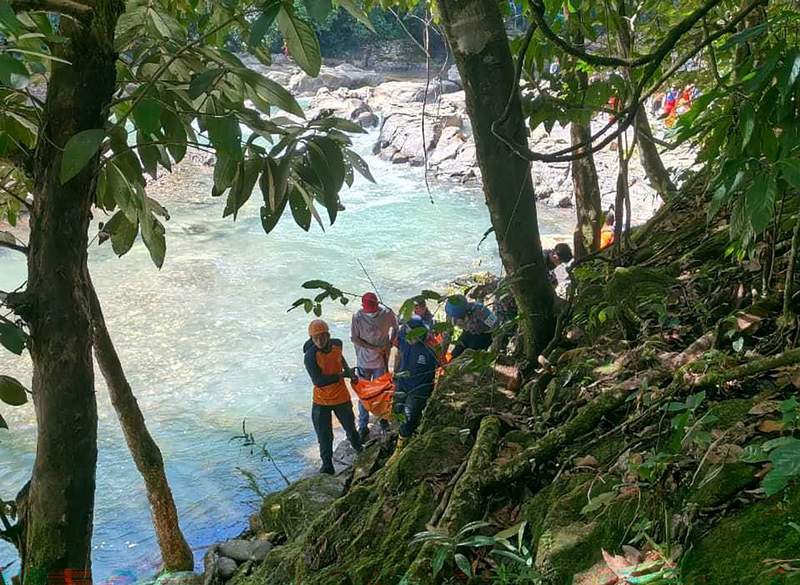
POLICY WIRE — Jakarta, Indonesia — The vibrant postcards depicting an exotic paradise tell one story. But the splintered timbers and frayed cables of what was once a suspension bridge on a popular Indonesian tourist island tell another, far grittier tale. It’s a narrative spun from neglect, lax oversight, — and ultimately, shattered lives. An idyllic escape, meant to offer breathtaking vistas, morphed into a grim accident scene, claiming an untold number of souls drawn by the promise of adventure.
It wasn’t a typhoon that brought the structure down, nor some unforeseeable act of God. It was rust, rot, — and perhaps, indifference. Officials are pointing fingers—as they always do—at what they’re calling ‘catastrophic safety failures,’ a term that barely begins to encompass the profound dereliction of duty that allowed hundreds of kilograms of structural decay to persist, unseen, beneath the cheerful façade.
Because, really, how many warnings did it take? We’re talking about an island nation whose very economic heartbeat thrums to the rhythm of tourist dollars. You’d think the physical pathways leading to those dollars would be maintained like religious artifacts. Instead, visitors were—quite literally—walked into danger. Minister of Tourism and Creative Economy, Sandiaga Uno, addressing reporters with a somber mien that felt practiced, vowed, “We’re absolutely heartbroken by this unspeakable tragedy. It’s a stark reminder that while we push for growth, we simply can’t skimp on safety. There’ll be a full, unflinching inquiry. And heads, you can be sure, will roll.”
And that “unflinching inquiry” will likely peel back layers of chronic underinvestment and hurried development. Indonesia, a sprawling archipelago of over 270 million people, relies heavily on its natural beauty to woo international visitors, contributing billions to its coffers. Last year alone, tourism receipts brought in a shade under $10 billion, according to Bank Indonesia figures. But behind the glossy brochures, aging infrastructure, built for yesterday’s foot traffic, struggles to cope with today’s throngs. This isn’t unique to Indonesia; countries like Pakistan often face similar struggles in balancing rapid tourism expansion with adequate infrastructure and safety regulations, particularly in remote, mountainous regions attracting adventure seekers.
This incident isn’t just a local mishap; it’s a policy parable for much of the developing world. The global South, hungry for foreign exchange, often finds itself in a precarious dance with modernity—rapid expansion, often outstripping the mundane necessities like regular bridge inspections, material fatigue assessments, and rigorous adherence to engineering codes. It’s an issue policymakers in places from Lahore to Kuala Lumpur wrestle with daily, often sacrificing longevity for immediate impact.
Dr. Budi Karya Sumadi, Minister of Public Works and Housing, usually a man focused on grand projects, offered a more technical, almost defensive, assessment when pressed on the structural vulnerabilities across the country. “The rapid expansion of our tourism sector, especially in these more remote—frankly, exotic—locales, has sometimes outpaced the necessary investment in our core infrastructure. You can’t just slap a fresh coat of paint on a thirty-year-old structure and call it ready for a tourist boom.” His words carry a weary resignation, implying budget shortfalls or bureaucratic inertia were more culpable than individual malfeasance. But is that an excuse? Or a damning indictment?
Tourists, after all, aren’t typically engineers. They aren’t checking the metallurgy of suspension cables before taking a selfie. They implicitly trust that when a local operator sells them a ticket to a panoramic viewpoint, the infrastructure will, at a minimum, hold their weight. This breakdown of trust is far more damaging than the physical collapse of timber — and steel. It plants a seed of doubt about the entire destination.
It’s not just a bridge that collapsed. It’s a portion of a nation’s carefully curated image. Because once that trust erodes, visitors simply choose another “paradise”—one hopefully built on a sturdier foundation, both literally and figuratively. This disaster, for all its local horror, is a stark warning. Countries cannot afford to treat public safety as an optional extra, especially when the livelihoods of millions depend on the faith of a few thousand holidaymakers. Policy must rise to meet ambition, or the human cost—and the economic one—becomes too steep to bear. For another example of such cascading policy failures, one might look at Cleveland’s Cavalier Catastrophe: A Policy Parable in Hardwood Collapse, demonstrating how even in developed nations, neglect can lead to dramatic structural woes.
What This Means
The immediate political implication is clear: a furious public demands accountability. Local officials face pressure, potentially losing their positions. For the central government, the fallout could dampen an already fragile tourism recovery post-pandemic. Economically, this tragedy sends shivers through the Indonesian tourism industry, an already jittery sector that’s been scrambling to rebuild its appeal. Bookings could see a dip as potential travelers question safety standards. And if tourists decide that charming, rustic allure masks real hazards, they’ll simply look elsewhere. It’s a cruel lesson in the high price of corners cut.
This incident also offers a stark, geopolitical mirror for other nations in Southeast Asia and the broader Muslim world, many of whom are heavily invested in drawing tourists to picturesque, yet infrastructurally challenged, locales. Nations like Malaysia and Morocco, though with different economic models, routinely grapple with similar development quandaries, balancing rapid growth with the robustness of foundational systems. The incident will trigger introspective safety audits, at least rhetorically, in similar destinations across the region—from the historical sites of Uzbekistan to the beach resorts of Thailand. And it could provoke an interesting discussion around “dark tourism” vs. sustainable, safe practices, particularly given global trends towards more adventurous travel, which often involves venturing beyond well-maintained city centers. It’s a grim reminder that a pretty view doesn’t excuse a faulty beam.