

Beneath Barcelona’s Gaudí: The Quiet Geopolitics of a Billionaire’s Docking Fee
POLICY WIRE — Barcelona, Spain — It’s easy enough to get swept up in Barcelona’s endless charm, isn’t it? The dizzying spires of the Sagrada Familia, the heady scent of seafood paella drifting...

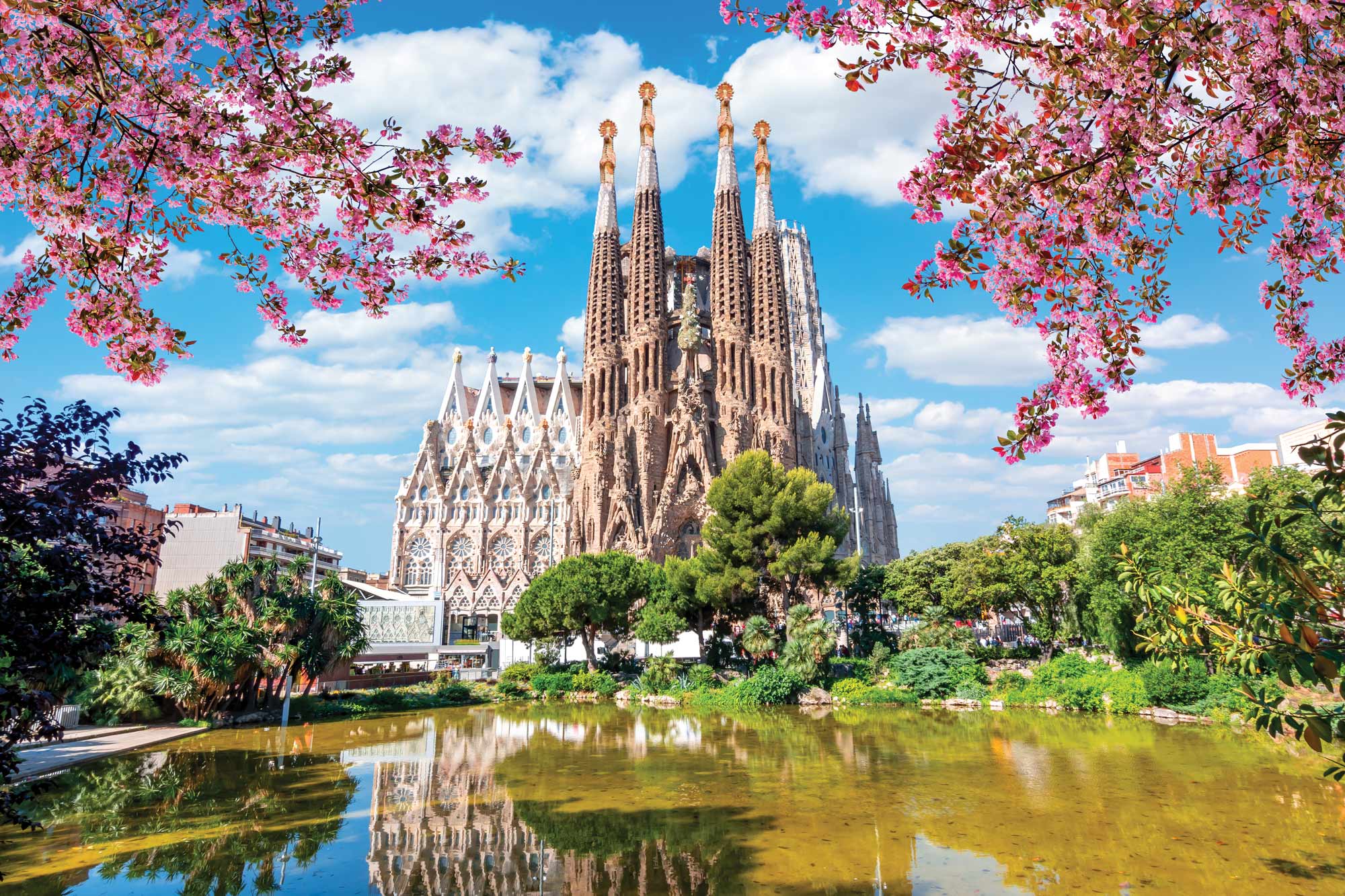
POLICY WIRE — Barcelona, Spain — It’s easy enough to get swept up in Barcelona’s endless charm, isn’t it? The dizzying spires of the Sagrada Familia, the heady scent of seafood paella drifting from crowded terrazas, the relentless pulse of a city that rarely sleeps. But cast an eye toward the glistening waters of Port Vell or Marina Port Forum, and you’ll find a far grittier narrative at play, one that has less to do with modernist architecture and more with cold, hard cash – and the subtle, often unseen, geopolitical currents it rides in on.
Barcelona, a prime jewel in the Mediterranean, doesn’t just attract package tourists. It’s a magnet for ultra-high-net-worth individuals, their superyachts bobbing gently in meticulously maintained berths. For these folks, an anchor fee isn’t just a cost; it’s an entry ticket into an exclusive club, a floating investment in European stability, and maybe, just maybe, a safe harbor for fortunes accumulated far from familiar shores. The city’s marinas, increasingly owned or influenced by opaque foreign investment funds, aren’t merely places to park a vessel. They’re nodes in a sprawling network of global capital, reflecting a stealthy, economic colonialism dressed up in yachting regalia. [QUOTE_PLACEHOLDER]
Consider the astronomical rates for a prime mooring. At some of Barcelona’s most sought-after berths, a superyacht can incur daily fees well over 3,000 euros, excluding services – not counting the months of waiting lists. This isn’t small potatoes, not by any stretch. But to a global elite, particularly those from hydrocarbon-rich nations or emerging economies in the East, these figures are a rounding error, a drop in the ocean that nonetheless secures a foothold in a politically stable, economically robust European hub. It’s an easy, low-profile way to diversify assets, insulate wealth, — and occasionally, park some serious soft power. For many, Spain’s stability offers a welcome contrast to, say, regional volatility near the Persian Gulf.
But there’s another, often overlooked side to this coin. The service economy catering to these floating palaces — the maintenance crews, the dockhands, the specialized provisioning teams — draws labor from across continents. And a significant portion of this essential workforce, those quietly ensuring the smooth operation of this luxury ecosystem, hails from countries like Pakistan. They’re often on short-term contracts, their lives tethered to fluctuating demand, economic shifts, and the fickle itineraries of the super-rich. They earn their keep under skies far from home, channeling remittances back to families, becoming almost invisible cogs in the machinery of global affluence. It’s a parallel economy, frankly, one most vacationers or yacht owners never quite acknowledge. But it sustains livelihoods, doesn’t it? For better or worse.
Just look at the numbers. According to a 2023 report from the Superyacht Group, the global superyacht fleet expanded by 6.5% that year, hitting an unprecedented size, with new orders showing a distinct interest in Mediterranean homeports. These are tangible signs of a sector that defies conventional economic slowdowns, powered by wealth often generated through resources or industries tied to intricate global supply chains. It’s a quiet flexing of economic muscle, an investment in leisure that reverberates across geopolitical landscapes, even affecting migration patterns, with countless individuals chasing opportunities in Europe’s luxury service sectors—some even making the journey from places like South Asia, drawn by prospects that are simply unavailable at home.
And so, while most visitors flock to marvel at Gaudí’s whimsical mosaics, the real story unfolds quietly along the polished wooden docks. It’s about more than just yachts; it’s about a global economy in perpetual motion, wealth consolidating, and societies adapting — sometimes struggling — to the flow of distant money. You don’t need an architectural degree to grasp the implications; just an observant eye and perhaps a touch of cynicism.
What This Means
This evolving dynamic isn’t merely about tourism; it’s a robust indicator of how global capital, particularly from the Middle East and parts of Asia, is strategically deploying itself into ‘safe’ Western assets. Luxury marinas like Barcelona’s aren’t just recreational hubs; they’re liquidity conduits, providing secure, discrete havens for vast personal and corporate wealth. This influx of high-value investment inflates local real estate, pushes up costs of living, and creates a highly stratified job market. Local populations face increasing housing challenges, while a subset of workers from abroad fills specialized service roles, often in less-than-ideal conditions. The Pakistani connection here isn’t anecdotal; it’s systemic. Much like their counterparts working in Gulf nations, many Pakistanis seek opportunities in Europe’s service sectors, with earnings often bolstering fragile home economies via remittances. This isn’t a new phenomenon, but it’s intensified, especially with geopolitical shifts prompting some capital (and the associated demand for luxury services) to look for stable European footholds. It entrenches Europe’s role as a consumer of global capital, but also as a hub dependent on international labor to service its wealthiest. It signals a complex relationship where economic necessity in regions like South Asia meets the insatiable demand for luxury services in European leisure markets. We’re watching capital flight and labor migration, two sides of the same economic coin, manifesting on a luxury yacht deck. Soft power stakes aren’t just about sports anymore; they’re also about controlling ports, services, and the lifestyle infrastructure demanded by the ultra-rich, an economic game with profound human consequences, impacting families far away.