


New Mexico Unearths Zorro Ranch Secrets: Justice Awakens from Its Slumber
POLICY WIRE — SANTA FE, N.M. — The high desert plains of New Mexico, typically serene, conceal more than just stunning vistas. They’ve also been harboring secrets—dark ones—from Jeffrey...

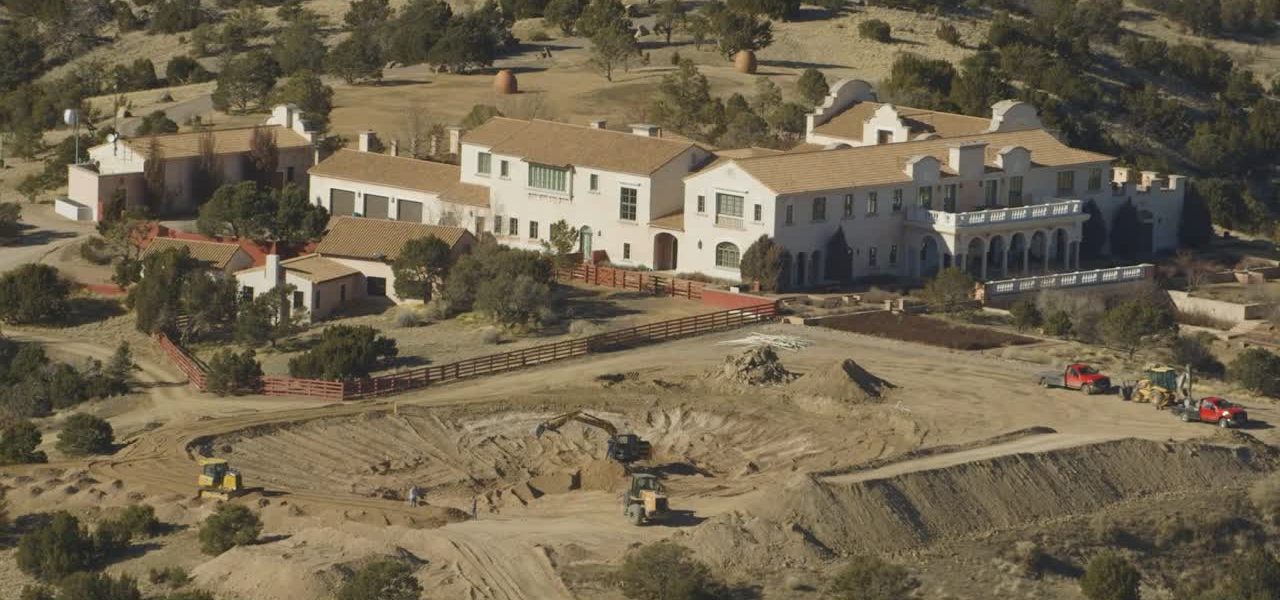
POLICY WIRE — SANTA FE, N.M. — The high desert plains of New Mexico, typically serene, conceal more than just stunning vistas. They’ve also been harboring secrets—dark ones—from Jeffrey Epstein’s infamous Zorro Ranch. After years in a shadowy limbo, the New Mexico Department of Justice has finally pulled back the curtain, reigniting a probe into the unspeakable allegations tied to the disgraced financier’s sprawling estate. It’s a renewed call to account, a demand for truth that many thought might never truly materialize.
But make no mistake; this isn’t a sudden epiphany. No, the rekindling of this investigation owes a debt to a relentless public official and a disturbing email that refused to be ignored. New Mexico Public Lands Commissioner Stephanie Garcia Richard, a political operative with a tenacity that belies her typically understated role, unearthed an old tip from an alleged former Epstein staffer back in 2019. This wasn’t some minor administrative hiccup. This email contained a chilling assertion: two young girls, supposedly murdered, then buried on public land near Epstein’s property. Imagine that. An accusation potent enough to jolt even a justice system grown weary of the Epstein saga back into motion.
Because the investigation, initially opened, had mysteriously ground to a halt years prior. New York authorities, pursuing their own threads of the sprawling Epstein empire, had, in a move that’s raised more than a few eyebrows among local watchdogs, requested the New Mexico probe be shelved. It’s a testament, perhaps, to how deep Epstein’s connections ran, how his web of influence could seemingly reach across state lines and paralyze local efforts. And sometimes, it just takes one tenacious person, unburdened by political allegiances to distant players, to insist on a reckoning.
Attorney General Raúl Torrez now spearheads this revived effort, acutely aware of the harrowing nature of what he’s asking. He’s issuing a direct, almost whispered, plea for any victims of abuse at Zorro Ranch to step into the light. It’s a courageous request, requiring immense trust from those who’ve already suffered unthinkable violations, many of whom have endured years, if not decades, of silent agony. The thought of revisiting such trauma, of narrating one’s darkest moments, is nothing short of terrifying. But without their voices, justice often remains elusive, a ghost haunting the powerful.
“We’re not merely pursuing a legal inquiry; we’re seeking to reclaim dignity for those whose lives were fractured by an unconscionable evil,” Torrez stated firmly in a public address. “It’s an excruciating ask, to reopen these wounds. But we can’t look away, not if we genuinely believe in the foundational principles of justice, and we certainly don’t believe in leaving victims in the cold.” He’s vowed that his office will handle each case with sensitivity, shielding victims’ privacy and identities wherever possible—a promise that, in these types of high-profile cases, can often feel like cold comfort until it’s rigorously proven.
“Some folks hoped this would just fade away, you know? Like the desert sun would bleach the ugliness clean,” Public Lands Commissioner Stephanie Garcia Richard observed dryly, referencing her relentless push to revive the probe. “But land tells stories. And this public land? It’s been waiting a long time for its true tale to be told, for those involved—the powerful, the shielded—to finally face accountability. My job is protecting this state’s assets, and that includes the integrity of our trust lands, which may have borne silent witness to monstrous crimes.” Her focus on the land, and the potential crimes on it, offers a distinct, grounding perspective to a scandal that often feels abstract in its enormity.
And yet, getting victims to come forward remains an uphill battle. The unfortunate truth, as highlighted by numerous studies, is that sexual abuse is vastly underreported. According to RAINN (Rape, Abuse & Incest National Network), a staggering two-thirds of sexual assaults are never reported to the police. This isn’t a statistic for the faint of heart; it underscores the profound barriers, both emotional and systemic, that survivors face. The passage of time only compounds these challenges. Memories fade, corroborating evidence degrades, and the psychological scars deepen, making a fresh legal pursuit a daunting endeavor.
📄 POLICY WIRE WHITEPAPER PUBLISHED: PAKISTAN'S NATIONAL SECURITY POLICY PRIORITIES
👉 READ BY CLICKING HEREThe Epstein network, after all, wasn’t confined to Zorro Ranch, or even the United States. His sprawling operation stretched across continents, exploiting vulnerabilities wherever they could be found. For instance, the very struggle to bring powerful, shielded individuals to justice—especially when alleged abuses impact vulnerable populations—resonates deeply in places like Pakistan or other parts of the Muslim world. Communities there have, for generations, contended with their own versions of delayed justice, where wealth and influence too often buy impunity. From managing security crises amidst festive periods to confronting systemic corruption, the call for transparency and genuine accountability for crimes against the defenseless echoes globally, uniting seemingly disparate societies in their fight for ethical governance. Because in this fight against such deep-seated depravity, there are no borders.
What This Means
This re-invigoration of the Zorro Ranch investigation carries substantial weight, signaling not just a potential legal turning point but a shift in the political landscape of accountability. Politically, it reasserts New Mexico’s sovereign right to pursue justice within its own borders, potentially chafing against the perception that powerful federal or out-of-state entities can dictate local judicial pace. It’s a statement: local issues matter, and powerful individuals, no matter their influence, aren’t above state-level scrutiny. For those tracking the global erosion of public trust in institutions, this local resurgence could represent a fragile counter-narrative, proving that persistence can eventually chip away at seemingly insurmountable barriers.
Economically, while direct fiscal impacts might be minimal initially, a successful prosecution could significantly impact the reputation of locales that host the ultra-wealthy—especially those whose operations hint at dubious activities. There’s an underlying message about state vigilance, about making New Mexico less attractive for those seeking to operate outside legal and moral bounds, thus safeguarding its long-term integrity and public perception. any successful legal actions could pave the way for civil suits, extracting reparations from Epstein’s now-deceased estate for the victims, a long-overdue act of compensatory justice.
Victims are encouraged to contact NMDOJ Special Counsel Sean Sullivan at [email protected] or (505) 670-1239. It’s not a facile ask. But it’s an opportunity, finally, to rewrite a story that has festered in silence for far too long. New Mexico is listening; perhaps, after all these years, justice might finally follow.