


New Mexico Scrutiny: Bureaucratic Holds Loosen Grip on Young Athletes
POLICY WIRE — ALBUQUERQUE, N.M. — It often takes a human story, raw and inconvenient, to chip away at regulations long settled into dusty committee rooms. Last year, that story belonged to Harper...

POLICY WIRE — ALBUQUERQUE, N.M. — It often takes a human story, raw and inconvenient, to chip away at regulations long settled into dusty committee rooms. Last year, that story belonged to Harper Dunn and her family, whose fight for a basketball season cut short by administrative red tape illuminated a peculiar problem within New Mexico’s high school athletic landscape. It wasn’t about raw talent or sporting prowess—it was about geography and institutional inertia, pure and simple. An adolescent athlete, abruptly informed that her existing team couldn’t materialize, found her options—and her athletic calendar—cruelly curtailed.
Her father, Blair Dunn, a local attorney with an unwelcome understanding of bureaucratic obstruction, detailed the exasperating predicament. He and his family discovered that the school she’d been attending, Corona, wouldn’t have enough kids to make a basketball team the following year. Any parent can imagine that heart-dropping moment. Naturally, they approached the New Mexico Activities Association, asking: she needs to get to play. But the NMAA’s response was a predictable cold shower: well, no, you’re transferring from a public school to a private school. So therefore, you have to sit out a year. [QUOTE_PLACEHOLDER]
This saga, culminating in an eleventh-hour eligibility reversal for Harper, isn’t unique. It’s a snapshot of a systemic issue that, for years, forced student-athletes who transferred schools to sit out a year of varsity sports. The rule’s intention—to deter the overt poaching of star players by athletic powerhouses—often snagged legitimate transfers in its net. It’s a classic bureaucratic overreach, sacrificing individual opportunity on the altar of theoretical fairness, with the unintended consequence of sparking numerous lawsuits over eligibility.
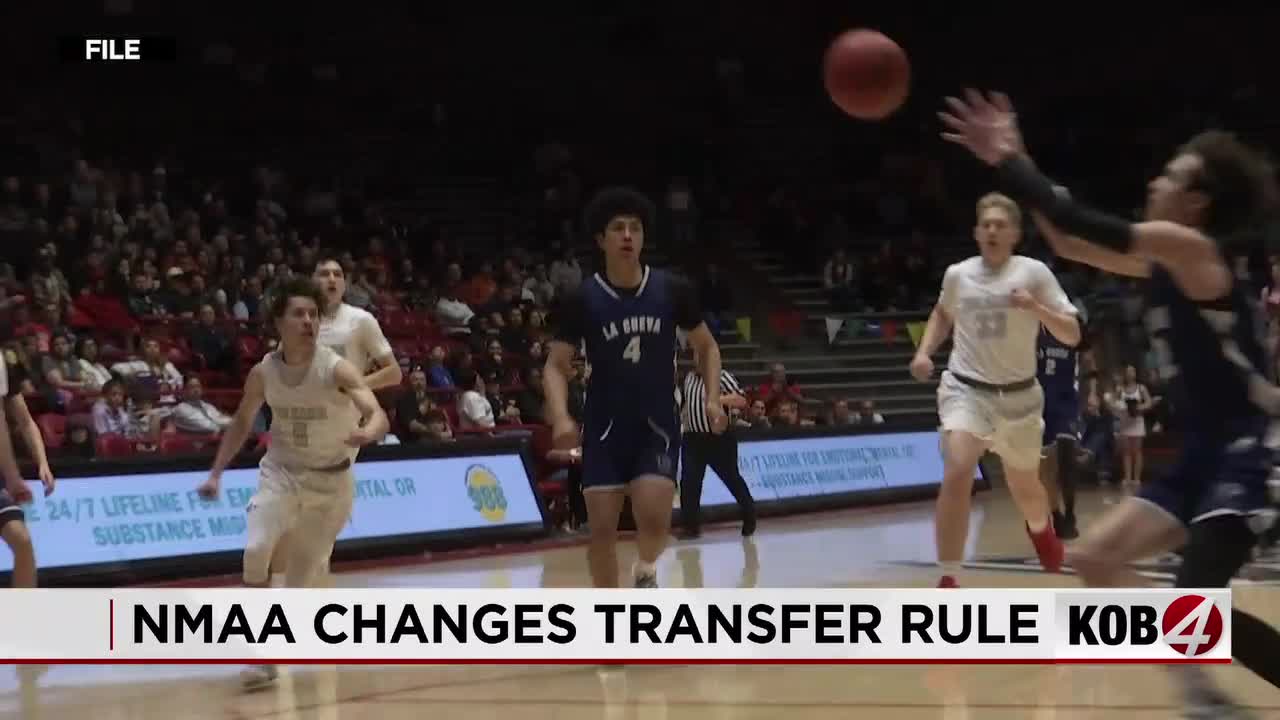
But times, it seems, might just be changing. The New Mexico Activities Association Board of Directors has taken a preliminary step toward rewriting these rules, voting to allow students to transfer schools without penalty and be immediately eligible for varsity athletics on their first transfer. It’s a tentative, cautious shift. Member schools, according to the association’s timeline, have two weeks to vote on the proposal. But the devil, as always, is in the details, isn’t it? The proposed changes do include some exceptions, — and recruiting is still not allowed.
And therein lies the rub. While supporters argue this could force schools and coaches to improve—a sort of market correction in prep sports—critics worry the change could solidify the dominance of powerhouse athletic programs. Blair Dunn, for his part, supports the idea. This is an experience that they only get to have once, he observed, articulating the sentiment of countless young athletes. And if you take out a year of eligibility, they won’t get that year back. They don’t get that experience.
But he also sees the potential for continued wrangling. His primary concern? The NMAA’s potential to deny some students by simply claiming they were recruited. It’s an easy, if nebulous, line of defense for administrators keen on maintaining control. Any transfer after a student’s first one, by the way, would still be subject to meeting specific criteria or, you guessed it, sitting out a full year of varsity sports. It’s a bit of a mixed bag, if we’re being honest.
What This Means
This isn’t just a localized sports regulation tweak; it’s a policy pivot with broader implications for local economies and talent development. For smaller, less funded schools—the Corona-equivalents—it could spell trouble. An already struggling athletic program, fighting for every promising talent, might find itself an easier target for schools with deeper pockets and better facilities. This creates an uneven playing field, where the rich get richer, impacting enrollment figures and even state funding allocations for school districts over time.
Politically, the NMAA’s move reflects a slow but discernible national trend towards loosening parental and student autonomy in choices, albeit often in the face of legal challenges and shifting societal norms. The pushback against antiquated rules limiting athletic mobility—seen in legal battles across states—mirrors wider debates about individual freedoms versus institutional oversight. Think about the convoluted pathways young athletes, especially those from modest backgrounds in places like Pakistan, navigate when trying to reach elite sports. There, much like here, systemic barriers and entrenched bureaucracies can often squander raw talent before it ever has a chance to flourish on an international stage, stifling not just individual dreams but a nation’s sporting potential in global competitions. Bureaucratic bottlenecks don’t just exist in Albuquerque.
Economically, this change could catalyze a subtle but significant redistribution of talent, and by extension, financial resources. Schools with dominant athletic programs often benefit from increased spectator revenue, corporate sponsorships, and even local tax revenues tied to property values buoyed by successful teams. The proposed fluidity could intensify competition, not just on the field, but for every dollar allocated to high school sports in New Mexico.
This whole situation is a neat illustration of how policy adjustments, however localized, create ripple effects far beyond their immediate scope—affecting young lives, local budgets, and even the subtle, shifting dynamics of community pride. It’s an interesting experiment, isn’t it?