

Regulator’s Reckoning: English Football Confronts Saudi Billions, Ethical Tangle at Derby
POLICY WIRE — London, UK — The newly minted guardian of English football, born just last year from the ashes of financial chaos and owner chicanery, now faces its first truly monstrous test. It isn’t...

POLICY WIRE — London, UK — The newly minted guardian of English football, born just last year from the ashes of financial chaos and owner chicanery, now faces its first truly monstrous test. It isn’t about salary caps or ticket prices. It’s about conscience, and about mountains of Saudi Arabian cash looking for a home in the heart of the East Midlands, specifically Derby County.
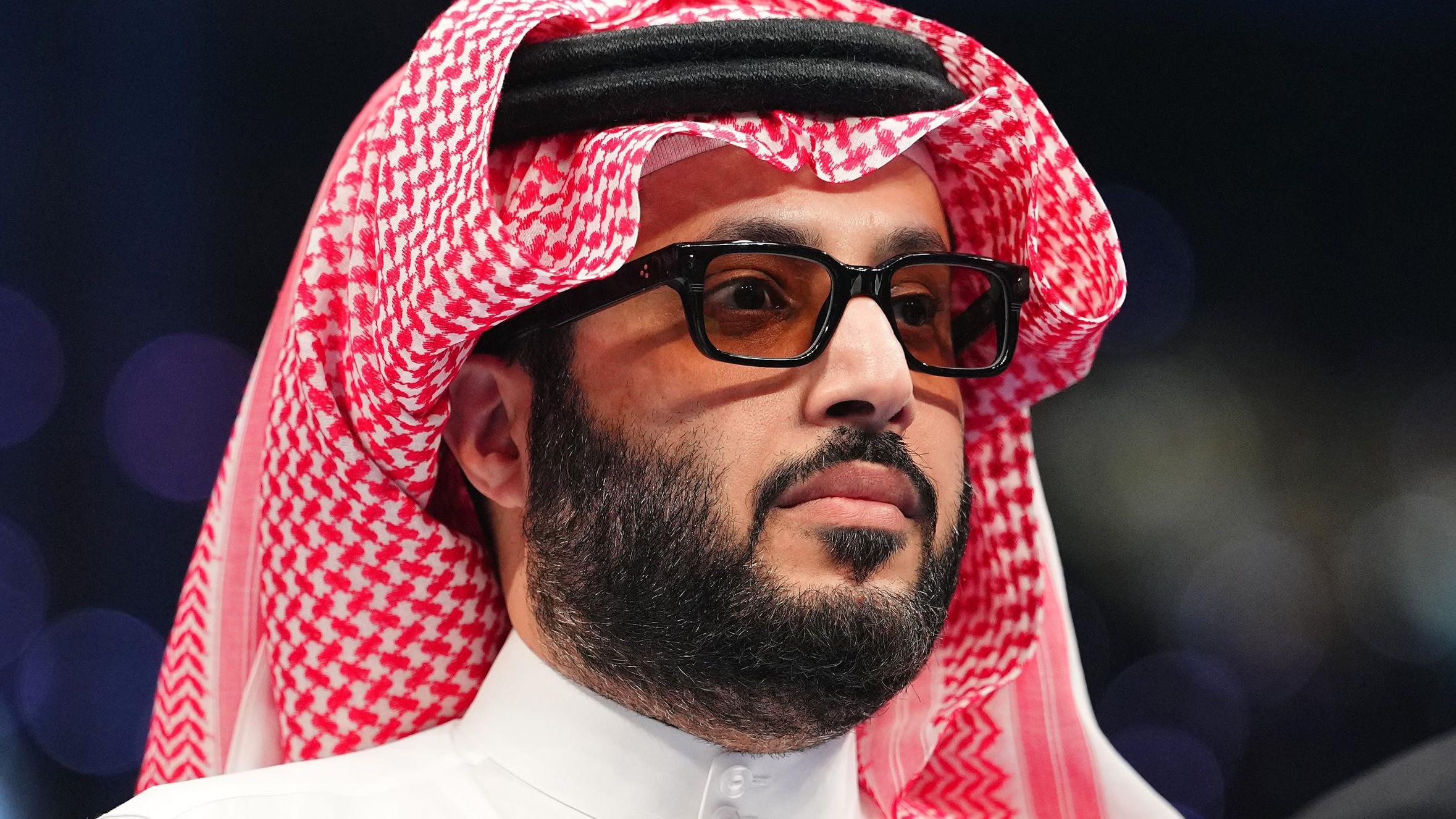
Independent Football Regulator (IFR)—remember them?—they’re staring down the barrel of a multi-million-pound investment bid for the venerable Championship side. But the man behind the money, Turki Al-Sheikh, isn’t just some wealthy sports enthusiast. No, he’s a senior government figure, chairman of Saudi Arabia’s General Entertainment Authority, and a close confidante of the Kingdom’s de facto ruler. Talk about a baptism of fire for the IFR.
Al-Sheikh’s move for a stake in Derby County has human rights advocates—notably Amnesty International—screaming foul. They aren’t pulling punches; they’re calling this a ‘defining test’ for the regulator, a decision that could set a chilling precedent for what’s acceptable in England’s national game. And they’ve got some serious receipts. Amnesty International reports Saudi Arabia executed a staggering 356 people just last year. That’s a stark, hard figure, — and it’s certainly got nothing to do with fair play on a pitch.
But there’s more to it, isn’t there? This isn’t Al-Sheikh’s first rodeo with European football. He’s previously owned Spain’s Almeria (and left that club, after some ups and downs, to a new owner who then brought in a certain Cristiano Ronaldo as co-owner—quite the flex, that one). And he once owned Egypt’s Pyramids FC. He’s also been a whirlwind in boxing, staging colossal fights, including one under the Giza pyramids themselves. So, he knows how to make noise. And he knows how to make money talk.
“This isn’t merely an investment from a private individual,” stated Felix Jakens, Head of Campaigns at Amnesty International UK, his voice likely tight with exasperation. “This is a direct extension of a state apparatus with a horrifying human rights record. The IFR needs to look beyond the balance sheet; it has to see the human cost. What kind of signal does it send to allow a senior official from such a regime to simply waltz into English football?”
And that’s the rub, isn’t it? Derby County, bless its heart, has seen better days. It needed an intervention back in 2022. Owner David Clowes is openly seeking new investors, maybe even ready to offload 80% or more. The fanbase? Oh, they’re split, alright. Some can already smell the glory—and the billions—coming, picturing a return to the Premier League. Others, bless ’em, are wrestling with their conscience. It’s an uncomfortable fork in the road.
Meanwhile, the regulator, an institution created precisely to safeguard the game’s ‘future and integrity,’ remains tight-lipped. As do Al-Sheikh’s representatives. No one’s talking on the record about specifics. But you know they’re talking in hushed tones behind closed doors, weighing money against, well, everything else.
“We’re under no illusions; our mandate is clear: ensure the game’s sustainability while upholding its reputation,” an anonymous senior official within the Department for Culture, Media, and Sport, familiar with the IFR’s initial remit, privately commented. “It’s about demonstrating transparency — and moral fortitude. Because if we just rubber-stamp any wealthy suitor without due diligence, what even is the point of a regulator?” Good question, isn’t it?
This situation also scrapes against the thorny issue of multi-club ownership. With Saudi Arabia’s Public Investment Fund already holding the reins at Newcastle United, any Al-Sheikh involvement in Derby naturally raises eyebrows. The Premier League’s rules try to prevent one entity from influencing multiple clubs. But it’s often a cat-and-mouse game, where influence can be subtly exerted, slipping through legislative cracks.
What This Means
This saga isn’t just about one club or one investment. Politically, the IFR’s decision here serves as a potent barometer for Britain’s broader stance on ‘sportswashing’ and ethical foreign investment. A green light, even a heavily qualified one, would likely be interpreted as a tacit acceptance that enough money can smooth over even the most jarring human rights concerns. It effectively prioritizes economic relief for a struggling club over an emphatic ethical stand. Economically, if approved, it represents yet another example of Gulf wealth, specifically Saudi capital, aggressively expanding its footprint in Western sports and cultural institutions—a strategic play that isn’t just about profit, but also soft power and influence, often observed with mixed feelings across the Muslim world, from Pakistan to Morocco, where European football is keenly followed. Many view such investments as a path to progress; others see it as a stark reflection of economic disparity and blurred ethical lines. Failure to approve, conversely, could send a strong signal that not all money is welcome, potentially pushing some high-rolling investors towards less scrutinized ventures elsewhere. This outcome would undoubtedly appease critics but might leave clubs like Derby desperately scrambling for more palatable, and perhaps less potent, financial lifelines. But this isn’t just about sport, is it? It’s about who gets to sit at the global table, — and on what terms. It’s a billionaire’s ballot playing out on an English pitch.
The IFR is on the clock. What it does, or doesn’t do, will reverberate far beyond Derby’s proud but battered grounds. It’s a high-stakes poker game, where the chips aren’t just cash, but reputation—for the regulator, for English football, and perhaps even for Britain itself.