


New Mexico Crime Victims’ Rights: Advocates Boost Awareness and Legal Support
POLICY WIRE — Albuquerque, New Mexico — Local advocacy groups are intensifying efforts to ensure that crime victims across New Mexico are fully informed about their fundamental legal rights and...

POLICY WIRE — Albuquerque, New Mexico — Local advocacy groups are intensifying efforts to ensure that crime victims across New Mexico are fully informed about their fundamental legal rights and available resources.
Mothers Against Drunk Driving (MADD) New Mexico is spearheading a significant awareness campaign. This initiative aims to educate residents on the protections and assistance guaranteed to individuals affected by criminal acts.
Community Vigil Highlights Victim Support
As part of this crucial outreach, MADD New Mexico is hosting a candlelight vigil on Thursday evening, from 6 p.m. to 8 p.m. This commemorative event will honor victims and families whose lives have been profoundly altered by drunk or impaired drivers. The vigil will take place at the New Mexico Veterans Memorial Park, situated near the intersection of Louisiana and Gibson. Attendance is free, though online registration is recommended.
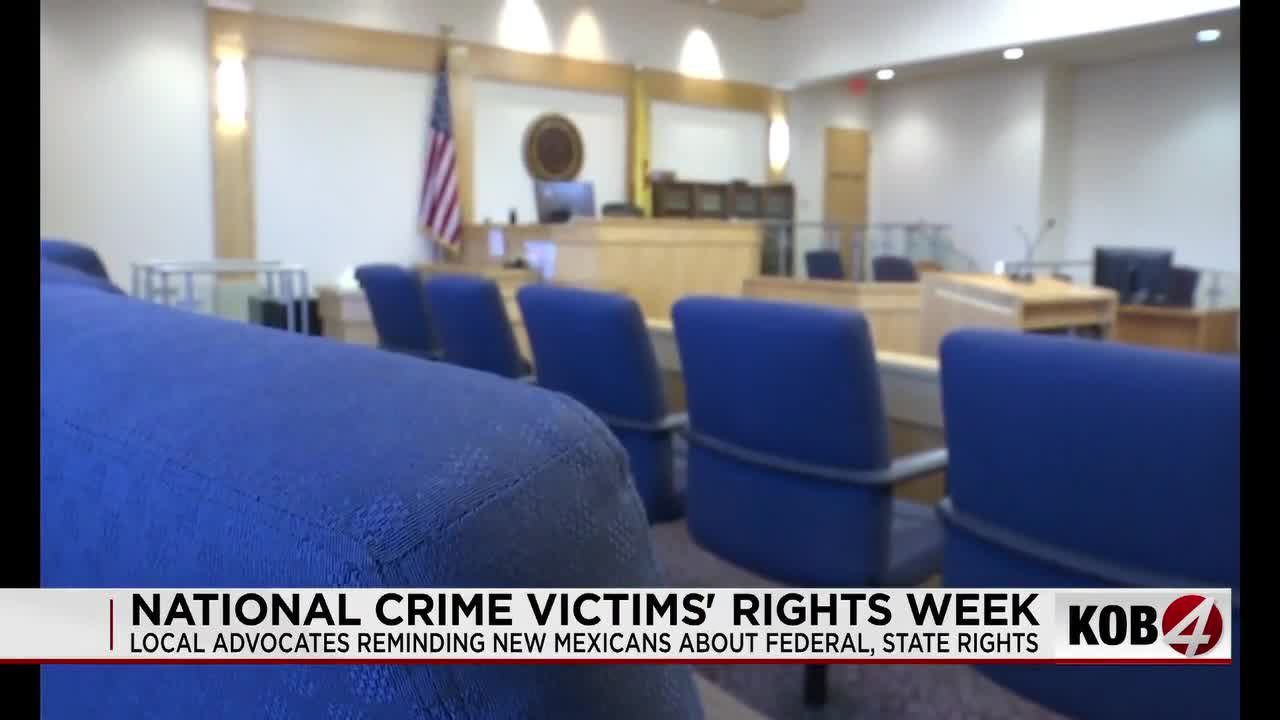
This event coincides with National Crime Victims’ Rights Week, a federally recognized period dedicated to spotlighting the comprehensive legal entitlements afforded to all crime victims. Advocates emphasize that victims in the state possess both federal and distinct state-level rights under New Mexico law.
Understanding Your Rights in New Mexico
New Mexico voters solidified these protections in 1992 by approving a constitutional amendment, which officially incorporated the Victims of Crime Act into state statutes. This landmark legislation guarantees several essential rights for victims.
- The right to receive timely notifications regarding court hearings and case developments.
- The ability to attend and actively participate in judicial proceedings, including delivering a victim impact statement.
- Protection from the accused throughout the legal process.
- The right to have personal property, utilized during an investigation, returned promptly.
- The entitlement to receive restitution for any losses or injuries from the convicted offender.
While New Mexico’s provisions largely parallel federal crime victims’ rights, which have been in place since the 1980s, campaigners acknowledge that public awareness remains a challenge. Lindsay Valdez, Senior Director of Mission Operations for MADD, highlighted this issue. "Knowledge of victim rights and, particularly, victim compensation, is not widespread," Valdez stated, underscoring the importance of outreach during this dedicated week.
Read More: Tanzania Inquiry Reveals 518 Deaths in Post-Election Violence
Enforcement and Legal Advocacy
Merely possessing rights is different from their effective enforcement. This is where the New Mexico Victims’ Rights Project plays a vital role. This statewide nonprofit organization offers critical legal assistance to victims who perceive their constitutional and statutory rights are being disregarded.
"It’s deeply frustrating because these are established laws, both constitutionally and statutorily, yet they are frequently overlooked," explained Linda Atkinson, Executive Director of the New Mexico Victims’ Rights Project. "We dedicate considerable effort to educating judges, prosecutors, attorneys, and victims about these rights and how to assert them. Our legal team provides representation in criminal court to ensure victims’ rights are upheld when necessary."
Atkinson also voiced a desire for an independent victim rights compliance office to be established within the New Mexico Department of Justice. Such an office would significantly enhance resources available to crime victims throughout the state, ensuring broader access to justice and support. Meanwhile, both the Victim Rights Project and MADD New Mexico continue to provide essential help and information to those in need.
For individuals seeking assistance or further details regarding victim support, resources are available through these dedicated organizations. Understanding and asserting these rights is crucial for recovery and justice. Victims of fraud or other crimes may find parallels in the pursuit of restitution and legal redress.