


Cybersecurity Alert: How to Spot and Avoid Dangerous Fake Public Wi-Fi Networks
POLICY WIRE — Albuquerque, United States — The allure of complimentary Wi-Fi, particularly in locations like airports or eateries, can be compelling, yet cybersecurity professionals caution that many...

POLICY WIRE — Albuquerque, United States — The allure of complimentary Wi-Fi, particularly in locations like airports or eateries, can be compelling, yet cybersecurity professionals caution that many such connections harbor unseen risks.
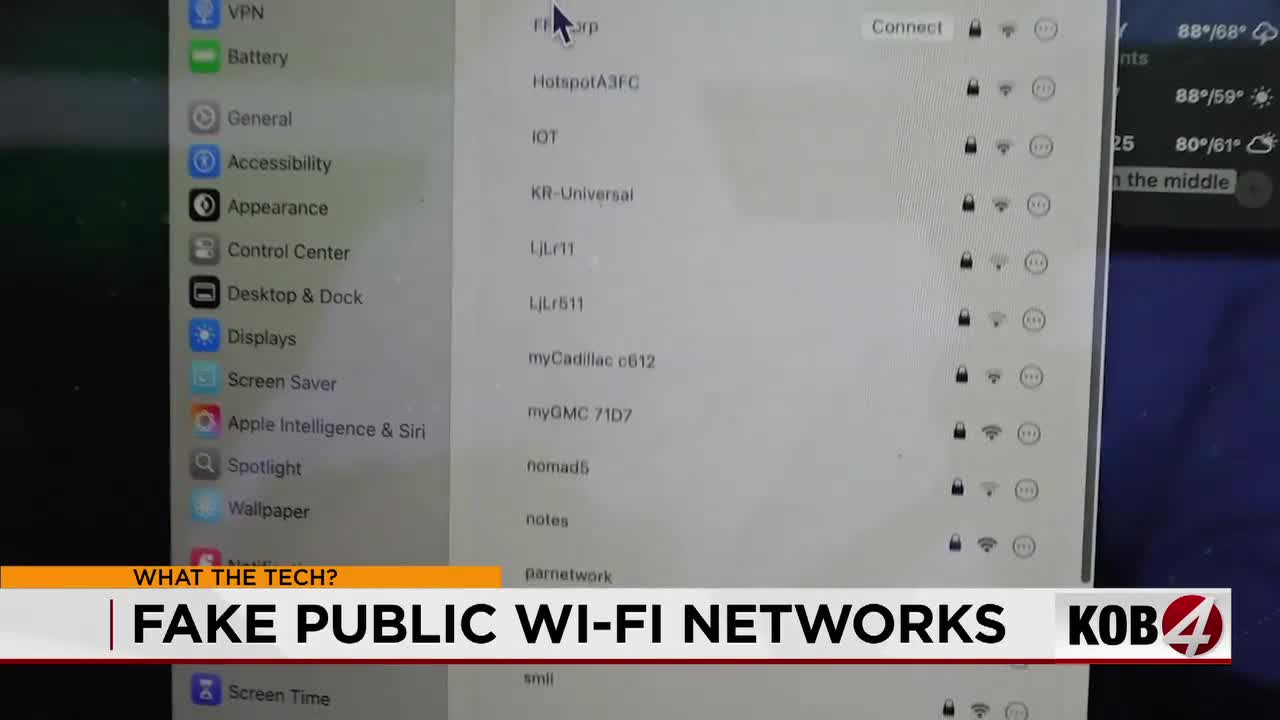
This deceptive practice relies on a surprisingly straightforward method. A malicious actor establishes an illegitimate wireless network, often mimicking the name of a legitimate establishment to appear trustworthy. Unsuspecting individuals then connect to this fraudulent hotspot, one after another.
Once connected, all user traffic is routed through the imposter access point. Equipped with specialized tools, cybercriminals can then monitor online activity, potentially redirecting users to counterfeit banking or e-commerce sites. Should users input their credentials on these deceptive pages, their sensitive login information is immediately compromised.
While most modern banking applications and online shopping platforms utilize robust encryption to safeguard personal data and login details, this protection isn’t absolute. Sophisticated attackers can bypass cryptographic defenses by simply deceiving users into willingly divulging their information, a tactic akin to the elaborate schemes investigated by French Authorities probing a Polymarket weather data scam.
Understanding Man-in-the-Middle Attacks
Even the most vigilant individuals can inadvertently connect to compromised networks. Therefore, it’s crucial not to automatically trust a wireless network simply because its name corresponds to the location. Always confirm the official network name directly with staff members.
Refrain from conducting sensitive transactions, such as online banking or shopping, while connected to public Wi-Fi. A significant warning sign is if a newly joined network immediately prompts you for credentials for services like Amazon or Facebook.
Despite advancements in device and website security, man-in-the-middle (MitM) attacks remain a substantial threat, reportedly constituting approximately 20% of all cyber incidents and leading to billions of dollars in annual financial damages.
Read More: Turkish Parliament Approves Social Media Ban for Minors Under 15
Proactive measures are vital to protect personal data from these persistent online threats.