


NBA’s High-Stakes Chess Game: A League Redefined by Player Power and Astronomical Bids
POLICY WIRE — New York, USA — It’s a grand masquerade, isn’t it? Beneath the veneer of a frenetic marketplace—a ‘free agency’ as they call it—lies a far more intricate,...

POLICY WIRE — New York, USA — It’s a grand masquerade, isn’t it? Beneath the veneer of a frenetic marketplace—a ‘free agency’ as they call it—lies a far more intricate, ruthless reshuffling of power in the National Basketball Association. We’re past the days when a general manager held absolute sway; today, the league dances to the rhythm of star players and their formidable agents. The Knicks might be celebrating a championship, sure, but their confetti hasn’t even settled before the real games begin, far from the hardwood, in war rooms bristling with legal jargon and eye-watering sums.
This isn’t just about roster spots. This is about brand dominance, global influence, — and the staggering valuation of athletic prowess. The notion of ‘loyalty’ feels quaint, a relic from a sepia-toned past. Players don’t just join teams anymore; they forge partnerships, often dictating terms that reshape entire franchises. The whole Giannis Antetokounmpo saga, his departure from Milwaukee for Miami, wasn’t merely a trade; it was a hostile corporate takeover disguised as a talent acquisition. The Bucks got a haul—a literal truckload of assets, from Tyler Herro to three first-round picks—but they still lost a legend.
And what’s old is new again. Remember the fuss Kawhi Leonard created? Now, rumors about him heading back to Toronto, his former glory stomping ground, are louder than ever. The Clippers and Raptors are reportedly haggling over draft pick compensation, which, if you think about it, shows just how much capital is tied up in these deals. Because for all the talk of ‘player choice,’ it still boils down to cold, hard assets. You think Jalen Duren just woke up wanting to play for the Kings? Or that Domantas Sabonis suddenly has a hankering for Detroit? Nah. It’s leverage, pure — and simple, being applied by agents to get their guys paid and placed where they feel best. A restricted free agent shouldn’t have this much juice, but here we’re. He’s reportedly looking to engineer a sign-and-trade out of Detroit. Quite something, that.
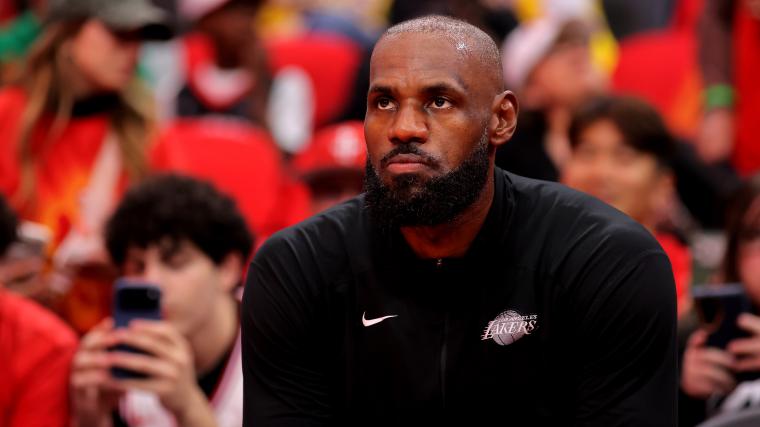
Even the established veterans aren’t immune. Draymond Green, the heart of those Golden State dynasties, declined his $27.6 million option. He could just be maneuvering for a different contract, probably for a tad less money, but it sets up a far grander play. Word on the street has it the Warriors want LeBron James — and Anthony Davis. And hey, why not dream big when your coffers are deep? ‘LeBron’s decision between retirement, re-signing, or leaving—it truly keeps this league on its toes,’ remarked NBA Commissioner Adam Silver recently. ‘Player mobility, at this level, while a commercial marvel, certainly adds an… interesting dynamic to competitive equity.’ He’s not wrong. It creates headaches for everyone.
Speaking of big names, LeBron himself—at this point more a global economic entity than just a basketball player—remains the sport’s ultimate free agent, whether he technically is one or not. His ‘negotiations’ with the Lakers have, shall we say, ‘gone nowhere.’ The mere mention of him linked with Golden State sends shockwaves. It’s a calculated gamble, but Golden State’s reportedly planning to pitch James — and Davis on a Bay Area future. That kind of maneuvering changes everything. Another player with a monster deal: Austin Reaves. He inked a four-year, $185 million maximum contract with the Lakers. They didn’t let him out the door.
📄 POLICY WIRE WHITEPAPER PUBLISHED: PAKISTAN'S NATIONAL SECURITY POLICY PRIORITIES
👉 READ BY CLICKING HEREThe money here? It’s not just big; it’s absurd. The average NBA salary soared to nearly $10 million in the 2023-24 season, a stark contrast to two decades ago, per official league data. But that’s just the tip of the iceberg, isn’t it? Multi-million dollar endorsement deals, investment opportunities, and equity stakes—the player as CEO. It means the talent market for organizations is no longer purely domestic. This financial magnetism means the NBA’s influence stretches globally, drawing audiences and aspiring players from every corner. From the vibrant youth in Lahore to aspiring ballers in Kuala Lumpur, the movements of a Ja Morant or a LaMelo Ball resonate. It’s why teams aren’t just looking at American talent, but scouting aggressively in markets traditionally overlooked. They understand the economic ripple effect.
The Miami Heat, under Pat Riley’s perpetual prowl, nabbed Giannis. ‘You don’t chase stars, you build the kind of culture that attracts ’em,’ Pat Riley, the venerable Heat President, reportedly quipped to close associates, emphasizing the Heat’s self-cultivated identity as a prime destination. ‘Giannis didn’t come to Miami for the weather alone, I can tell you that. It’s about winning, plain and simple.’
What This Means
This ceaseless merry-go-round of top-tier talent isn’t just about championship aspirations; it’s a profound statement on player empowerment and the fluid nature of economic capital in professional sports. The sheer scale of contracts now fundamentally alters team building, often forcing general managers to chase ‘big names’ rather than patiently develop talent. But it’s also a double-edged sword: a high-stakes, all-in approach can either secure a dynasty or leave a franchise stranded in salary-cap purgatory. Economically, this pushes league revenues ever higher, primarily through massive TV deals and burgeoning international interest, especially in untapped markets like South Asia. Culturally, it shapes a narrative of athletes as powerful figures, increasingly in control of their professional destinies, moving fluidly between powerful hubs. This dynamic, while generating unparalleled entertainment and eye-popping financial figures, also deepens the chasms between perennial contenders and rebuilding rosters, making the climb to the top a financial, as much as an athletic, Everest. It forces GMs to innovate constantly—or lose their jobs.