


NBA Draft 2026: Billion-Dollar Hopes, Shifting Futures, and a Global Game’s Undeniable Pull
POLICY WIRE — New York City, USA — The annual athletic lottery known as the NBA Draft has concluded its frenzied cycle, yet again turning college phenoms and international prospects into...

POLICY WIRE — New York City, USA — The annual athletic lottery known as the NBA Draft has concluded its frenzied cycle, yet again turning college phenoms and international prospects into multi-million-dollar commodities. While the sports world fixates on the instant analysis—who went where, who won, who lost—the true drama lies deeper: in the economic machinations and the quiet aspirations it sparks far beyond America’s well-lit courts.
It’s a testament, perhaps, to capitalism itself, this relentless churning of fresh faces, the perpetual hunger for the next superstar. And honestly, it’s not just about bouncing a ball; it’s about global branding, national pride, and the often-unspoken financial realities dictating these young lives. The 2026 iteration, specifically, cemented some expectations while scattering a few tantalizing surprises, mostly during the June 23rd first round and the subsequent day of picks. [QUOTE_PLACEHOLDER]
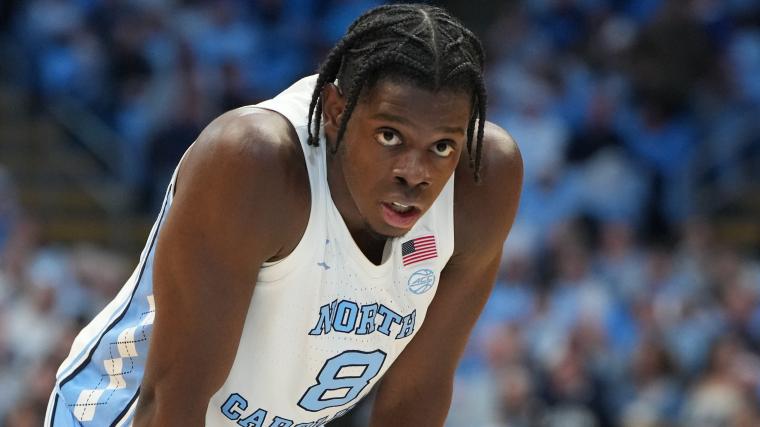
Consider Caleb Wilson, the power forward from North Carolina, now destined for the Chicago Bulls. His selection at Pick 4 wasn’t exactly a shocker. Reports had pinned him to the Bulls ever since the lottery balls fell last month, making the eventual choice feel more like an affirmation than a revelation. But hey, it still got the social media accounts buzzing, particularly when an excited Bulls fanbase declared, From UNC to Chicago 🔥 Caleb Wilson is headed to the Bulls!. Wilson’s physical gifts are, without hyperbole, pretty spectacular. Jay Bilas, ever the acute observer, put it plainly: Wilson is a ridiculous athlete who drops jaws on the floor with his talents. He has a 7-0 wingspan — and a 39.5-inch vertical, and does things with quick bounce, Bilas said.
But the story isn’t just in Chicago’s immediate future. This whole enterprise, you see, it radiates. It dictates career trajectories, shapes college basketball narratives, and offers tantalizing — if often illusory — dreams to aspiring athletes everywhere, even in places like Pakistan. Because whether it’s a street-side game of cricket in Lahore or a makeshift basketball court in Karachi, the lure of such professional leagues, with their immense financial rewards and global stage, is potent. This fascination, this reach, speaks volumes about the American cultural export model—a soft power masterclass where sport transcends boundaries, sparking dreams even in economies quite distinct from the U.S. consumer engine.
And yes, the Bulls’ strategic thinking prior to the draft clearly aimed for a top-tier prospect. Rumors circulated about four key talents – AJ Dybantsa, Darryn Peterson, Cameron Boozer, or Caleb Wilson – with Wilson generally seen as the fourth in that coveted list. The Bulls will happily accept whichever of those four falls into their lap, one draft rumor source quipped, highlighting the opportunistic nature of team building. Turns out, opportunity knocked in the form of Wilson, who, according to various reports, will head to Chicago to meet his new team. It’s a transaction promising the possibility of the next star here in Chicago, as predicted by David Haugh. Maybe he knows something we don’t, or maybe it’s just the inherent hope that fuels professional sports.
Elsewhere in the first round, the Washington Wizards nabbed AJ Dybantsa at pick 1, while Darryn Peterson went to Utah. Cameron Boozer joined Memphis. Even international players got their moments, demonstrating the expanding global pipeline for talent, with players like Karim Lopez from Mexico selected by Memphis (Pick 21) and Sergio De Larrea from Spain finding a spot with the Knicks (Pick 25). These selections show the sheer scale of the global hunt for athletic excellence, blurring geographical lines for athletic capital. In fact, a recent analysis pointed out the growing intersection of wealth, grit, and the global appeal of major sports.
The second round, typically a more speculative affair, still saw its share of familiar names — and unexpected picks. Bruce Thornton from Ohio State kicked off day two, heading to Houston, while Memphis secured Richie Saunders from BYU. It’s an interesting tableau of ambition — and chance, isn’t it? The sheer financial scale of this whole thing, moving billions through player contracts, merchandising, and media rights, dwarfs the GDP of many smaller nations. It’s a vibrant, sometimes brutal, global labor market, tailored to a niche, but its ripples are felt across continents.
What This Means
The NBA Draft isn’t merely an annual talent grab; it’s a bellwether for the sport’s ongoing globalization and its immense economic power. From a policy perspective, the concentration of such high-value athletic talent in a single league presents an intriguing case study in market dynamics and the perpetual pursuit of peak performance. The draft, by extension, shapes how nascent basketball programs, even those in South Asia, perceive and develop their own talent pools. For young athletes in countries like Pakistan, the dazzling prospects of NBA contracts and superstardom can influence educational choices, career paths, and even governmental sports funding priorities, however indirectly. They see the spectacle, the glamour, the opportunity.
The movement of international talent, such as De Larrea and Lopez into the league, further cements the NBA’s status as a worldwide destination for elite basketball. This migration pattern mirrors broader trends in the global economy where skilled labor often gravitates toward the largest and most rewarding markets, potentially creating a kind of sporting ‘brain drain’ on smaller national leagues. But it also ignites aspirations, promoting basketball development in non-traditional regions. It’s a mixed bag, to be honest. The continued American dominance in global basketball isn’t just about domestic development; it’s also about its capacity to absorb the world’s best, reinforcing its sporting and cultural soft power. It shows how the pursuit of exceptional talent often transcends national boundaries and regulations, forming a distinct global ecosystem of athletic prowess.