


NASA Discovers Moon Crater Larger Than Roman Colosseum
NASA finds massive moon crater, larger than the Roman Colosseum, revealing new insights into lunar impacts.

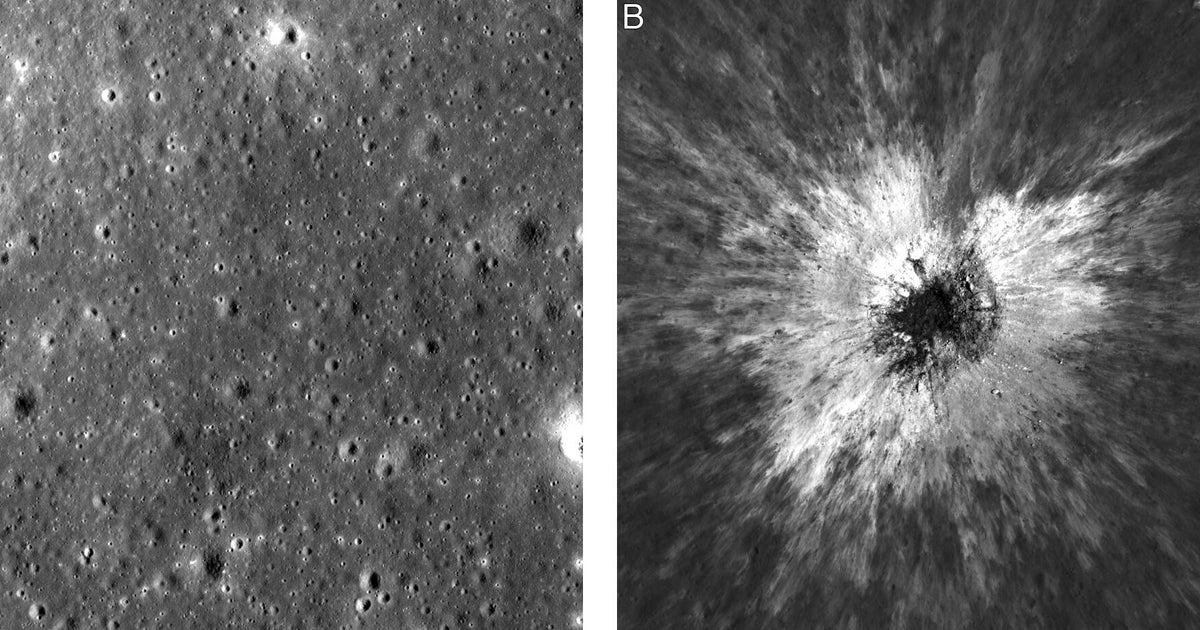
POLICY WIRE — Washington, D.C. — A newly discovered crater on the moon has been found to be larger than the Roman Colosseum, according to NASA. The impact, which occurred in 2024, went unnoticed at first but was later identified by the Lunar Reconnaissance Orbiter (LRO) after a delay in data analysis.
The crater measures approximately 728 feet in diameter and reaches a depth of 141 feet, equivalent to three stacked school buses. This makes it the largest known impact crater in the solar system formed in recent history, with such events occurring only once every 132 years, according to researchers.
NASA scientists named the crater after Thomas McGetchin, a former director of the Lunar and Planetary Institute in Houston. The discovery provides critical data as the agency prepares for future lunar missions, including the construction of an astronaut base. Researchers also noted that the impact disturbed the lunar surface over a 66-mile radius, with debris scattered at unexpected angles, offering new insights into how impacts shape the moon’s regolith.
Reporting by Policy-Wire (PW)