


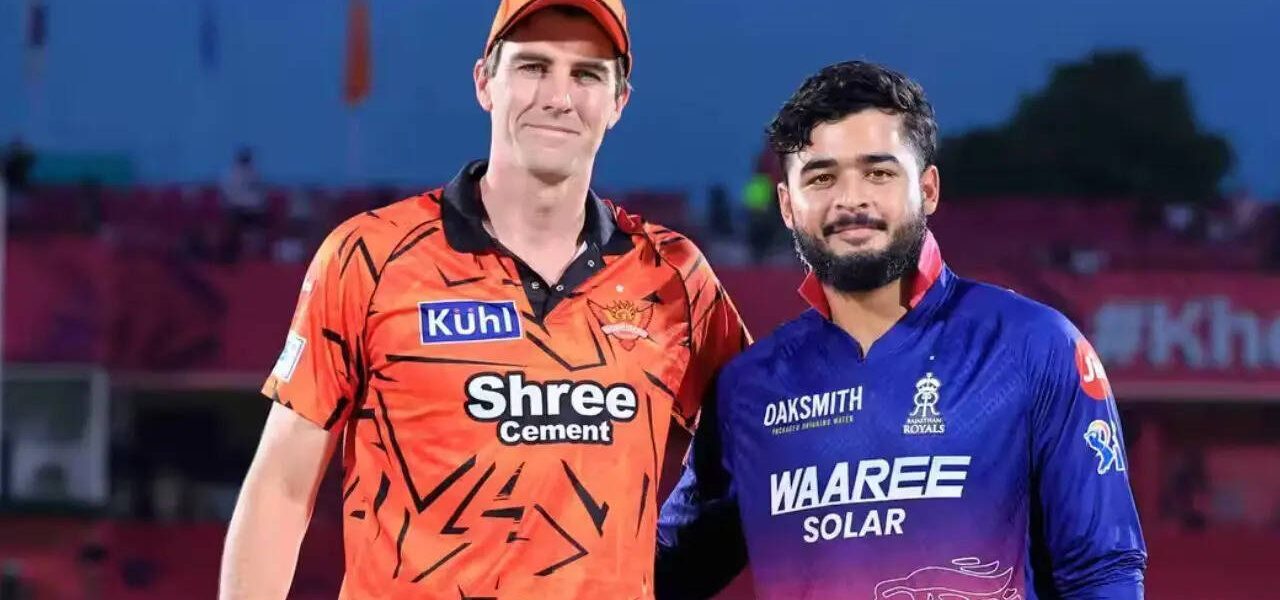
Mullanpur Cauldron Awaits: IPL Eliminator Tests Hyderabad, Rajasthan Resilience Amidst Blistering Heat
POLICY WIRE — Mullanpur, India — Forget for a moment the roaring crowds, the sponsorship glitz, or the meticulously planned broadcast schedules. As Sunrisers Hyderabad and Rajasthan Royals brace for...

POLICY WIRE — Mullanpur, India — Forget for a moment the roaring crowds, the sponsorship glitz, or the meticulously planned broadcast schedules. As Sunrisers Hyderabad and Rajasthan Royals brace for their IPL 2026 Eliminator clash today, the real story unfolds beneath a relentless Indian sun, where temperatures stay above 40°C. This isn’t just a cricket match; it’s a testament to human endurance, both on the field and for the fans glued to their screens, enduring the suffocating heat in a subcontinent that lives and breathes this game.
It’s the cruel beauty of knockout cricket. One team moves forward, keeping its multi-million dollar dreams alive, the other bows out— done and dusted, perhaps wondering where it all went wrong. The sheer brutality of it can leave you reeling. And, as history often reminds us, the path from an Eliminator to a championship trophy is littered with fallen giants; only one side in IPL history has gone on to win the title after playing the Eliminator: Sunrisers Hyderabad in 2016. SRH fans will hope lightning strikes twice. That’s a grim historical precedent for any team eyeing the ultimate prize, isn’t it? [QUOTE_PLACEHOLDER]
The stakes couldn’t be higher for both these franchises, especially after rather circuitous routes to this pressure cooker. Rajasthan Royals, frankly, looked in danger of missing the playoffs altogether after a string of defeats, but back-to-back wins against the bottom-placed sides helped them stay alive. Call it scraping through, if you like. But they’re here, — and that’s what counts. Sunrisers Hyderabad, conversely, narrowly missed out on a top-two finish, with their heavy defeat against Gujarat Titans proving costly on net run rate. The margins are thin— razor-thin, really — and every ball today will feel like a life-or-death proposition.
When these two titans meet, especially in such high-stakes conditions, you naturally look for the individual battles that will tip the scales. All eyes will undoubtedly fall on the Powerplay showdown between Travis Head — and Jofra Archer. Head has scored quickly against Archer in T20 cricket, but the RR pacer has dismissed him three times and remains one of the most dangerous new-ball bowlers this season. But you’ve got to admire the temerity. For the Royals, captain Riyan Parag will carry huge responsibility in the middle order despite concerns over fitness. And we know what that kind of pressure does to players; it can make or break careers in an instant. RR will also rely heavily on Archer’s pace — and the explosive starts from teenage sensation Vaibhav Sooryavanshi.
Sunrisers Hyderabad’s batting firepower remains their biggest weapon. Abhishek Sharma, Head and Heinrich Klaasen can dismantle attacks quickly, while skipper Pat Cummins and Harshal Patel could prove decisive with the ball. Their aggressive style — hit big or go home — makes for compelling viewing, a kind of gladiatorial spectacle unique to this format. It’s a calculated gamble, but one that has often paid off for them.
The stage itself, Mullanpur’s Maharaja Yadavindra Singh International Cricket Stadium, is known for its batting-friendly strips. The Mullanpur surface has consistently produced high-scoring games this season. Pitch No. 4, the strip expected to be used for the Eliminator, previously saw Punjab Kings post 219 against SRH, only for the total to be chased down comfortably. The average first-innings score at the venue this season is around 214, and six of the eight completed innings here have crossed the 200-run mark. That tells you everything, doesn’t it? Teams batting first are likely to target another 200-plus total, though dew later in the evening could once again favour chasing sides. Fast bowlers, apparently, have leaked runs, while spinners have enjoyed slightly better control in the middle overs. A peculiar split, but then, it’s Mullanpur.
📄 POLICY WIRE WHITEPAPER PUBLISHED: PAKISTAN'S NATIONAL SECURITY POLICY PRIORITIES
👉 READ BY CLICKING HEREThe dry conditions and hard surface should aid stroke-making throughout the contest, making for a truly electric, if sweltering, afternoon of cricket. It’s the kind of game where every boundary feels like an exhale, and every wicket a punch to the gut, perfectly suited for the regional fervour that consumes fans from Lahore to Dhaka, all fixated on this spectacle of skill and pressure.
What This Means
This Eliminator isn’t just about cricket; it’s a potent microcosm of broader trends in South Asian pop culture and, frankly, its economic influence. The sheer reach of the IPL – a commercial juggernaut – isn’t confined by national borders, despite political frictions. It serves as an economic magnet, pulling in advertising revenue and boosting the ancillary industries around sports consumption. We’re talking media rights, merchandising, and the digital economy built on platforms like JioHotstar, where this match will be live-streamed to millions. It’s an undeniable soft power play, cementing India’s cultural preeminence in the region even as its politics remain— well, complicated. For countries like Pakistan, despite official bans, the diaspora’s engagement and clandestine viewing attest to the enduring power of these cultural currents. It’s not just a sport; it’s a shared cultural touchstone, generating untold conversations from Karachi cafes to Mumbai boardrooms. The ripple effect extends, touching local economies from ticket vendors to chai-wallahs, and influencing policy discussions around sports investment and national branding.
The intense pressure on these players also mirrors the high-stakes political and economic negotiations that often define this volatile region. One misstep, one dropped catch (or a diplomatic gaffe, or a policy miscalculation), can have exponential, far-reaching consequences. Both teams carry the hopes of millions. But only one will advance, just as in politics — and business, often, only one agenda can prevail. And the rest, as they say, become footnotes in a relentless march towards the next big thing, another example of how India’s cricket pageant rewrites hero narratives for entire populations. The Mullanpur heat, an almost unplayable opponent in itself, merely adds another layer of drama to what promises to be an extraordinary display of competitive will, a story of ambition played out under the glaring eyes of a subcontinent.