
Midwestern Roar: A Glimpse of Raw Velocity in a Digitally Drenched World
POLICY WIRE — Elkhart Lake, USA — Forget your algorithmic feeds and the incessant digital hum. For a brief, intoxicating spell at the end of May, a different kind of buzz descends upon rural...

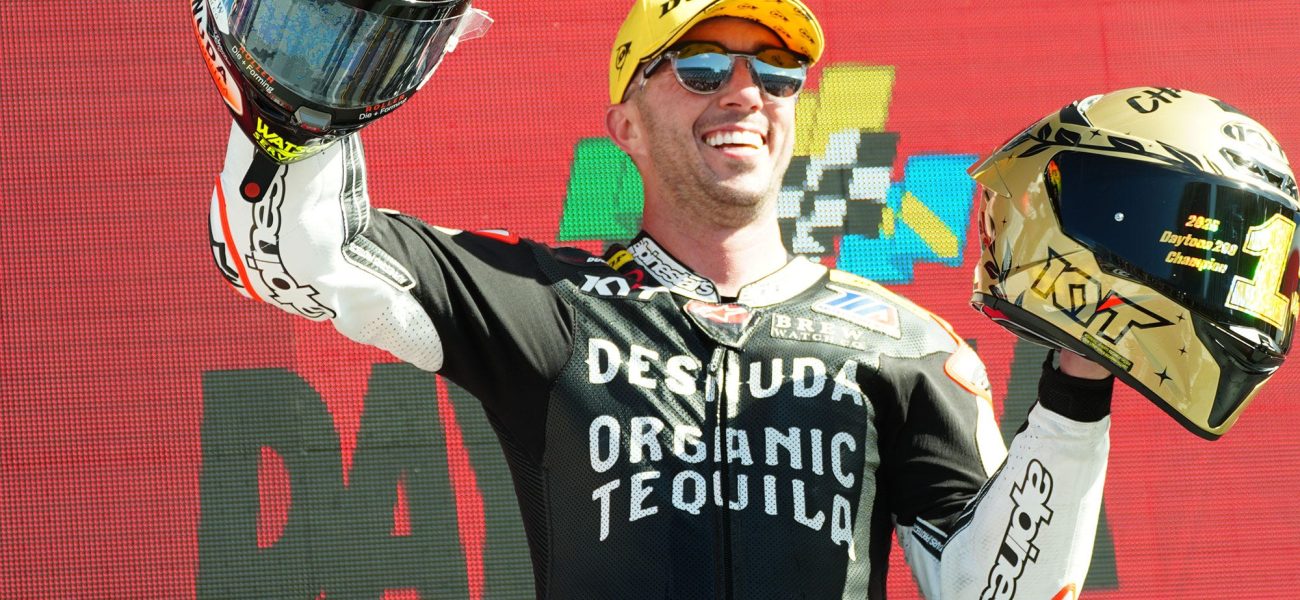
POLICY WIRE — Elkhart Lake, USA — Forget your algorithmic feeds and the incessant digital hum. For a brief, intoxicating spell at the end of May, a different kind of buzz descends upon rural Sheboygan County, Wisconsin. It’s not about data points or geopolitical maneuvers; it’s the visceral, gut-punching symphony of finely tuned internal combustion. The MotoAmerica Superbikes — and Vintage MotoFest weekend isn’t just a motor race. No, it’s a cultural phenomenon, a transient escape where carbon fiber, leather, and sheer nerve collide, offering a peculiar snapshot of America’s enduring fascination with speed, risk, and—frankly—the gloriously analog.
Down on 640 acres between Elkhart Lake and Plymouth, Wisconsin’s largest racetrack, Road America, prepares for an invasion. Over 150 riders will turn up. And these aren’t just Sunday leisure cruise types, mind you. They range from ‘entry-level teens to established veterans of international motorcycle road racing competition.’ It’s a generational clash playing out at 200 miles per hour, each turn a high-stakes decision, each straight a blur of engineered fury. [QUOTE_PLACEHOLDER]
Think about it: in a world where everything feels curated, softened, sanitized, here’s an event still clinging to the elemental. The asphalt smells of rubber — and fuel; the air thrums with an engine’s angry shriek. It’s real. And this annual pilgrimage isn’t solely for the motorcycle cognoscenti. Road America, with its four-mile course, routinely hosts big names – IndyCar, IMSA sports cars – proving it’s a fixture on the national circuit, not just a niche play for two-wheeled enthusiasts. This event alone, pulling in an estimated three dozen riders for the premier Superbike category alone, demands attention, creating a micro-economy for three days.
For some of us, especially those observing the often-turgid pace of international diplomacy, this sheer velocity is almost cathartic. Imagine a global issue resolved at such a blistering clip. But, alas, here we’re, watching teenagers like Kayla Yaakov—an 18-year-old sensation who has reached the podium in four of five rounds—carve up apexes with the precision of a surgeon and the fearlessness of youth. She even set a track record at Barber Motorsports Park recently. Then there are the battle-hardened veterans, the Josh Herrins and Matthew Scholtzs of the world, still chasing the checkered flag with a quiet, burning intensity.
But the weekend isn’t solely about modern super-machines. It’s also Vintage MotoFest, which means a ride-in bike show for motorcycles of all makes takes place on the grounds Saturday. It’s a nod to history, a quiet appreciation for where the roaring present originated, showcasing everything from gleaming chrome classics to custom choppers. This mix creates a bizarre, yet undeniably American, carnival of metal and speed, attracting a diverse crowd not unlike the sprawling bazaars one might find in Lahore or Karachi, albeit with a dramatically different soundtrack. In Pakistan, where two-wheelers are a predominant mode of transport, and where a growing affluent class shows interest in premium leisure vehicles, events like this would draw massive crowds—a universal human desire, you see, to witness power and finesse unleashed, whether on dirt tracks or super-fast circuits. The thrill is palpable, and universal.
This pursuit of velocity, that high-stakes dance between man — and machine, speaks to something primal. Sean Dylan Kelly sits second in Superbike points. He is also the only other rider in the class with three podium finishes, matching his 2025 total. His performance underlines the persistent nature of competition, the grind that defines elite sport. And the spectacle, while loud and brazen, requires a quiet, almost meditative focus from its participants—a discipline perhaps akin to navigating the intricate political landscapes of the Indo-Pakistani border, where one wrong move could have devastating consequences. The stakes here are certainly different, of course, but the mental fortitude? That feels quite comparable.
📄 POLICY WIRE WHITEPAPER PUBLISHED: PAKISTAN'S NATIONAL SECURITY POLICY PRIORITIES
👉 READ BY CLICKING HEREBut how do you watch this particular brand of spectacle if you can’t get to rural Wisconsin? Well, for those opting for a more passive consumption model (which is most of us), MotoAmerica races are shown live on ViceTV on many streaming services and Samsung TV Plus. Accessibility, it seems, remains key, even for events rooted in such raw physicality.
What This Means
Beneath the thunderous exhaust notes and the fleeting glimpses of multi-million dollar machinery lies an intriguing economic story. Road America isn’t just a racetrack; it’s an economic anchor for a relatively sleepy corner of Wisconsin. Each event, whether it’s MotoAmerica, IndyCar, or the myriad other amateur and professional races it hosts, pumps tourist dollars into the local coffers. The ticket prices—ranging from $40 for a Friday pass to $115 for the full weekend—represent not just access to a show, but a direct investment in the area’s hotels, diners, and gas stations. One could consider the collective weekend admission revenue from 2023’s race, for example, easily reaching into the hundreds of thousands, if not millions, of dollars, especially when considering general admissions coupled with merchandise sales. In 2022, the average NASCAR event alone generated over $100 million for its host region, according to a recent analysis by Nielsen Sports. This motorcycle event, while smaller, represents a vital artery. And it supports a small community’s resilience, fostering local jobs and showcasing a particular slice of Americana often overlooked by national media, all while indirectly projecting an image of stability and normalcy that’s rather appealing.
It’s also a powerful symbol of an accessible form of American entrepreneurship, with Rahal Ducati Moto, Strack Racing Yamaha, and OrangeCat Racing—a BMW team in its first season—all vying for supremacy, driven by passionate investors and tireless crews. These aren’t just corporate entities; they’re small, focused ventures in a big, competitive industry. Their success, or lack thereof, directly influences numerous livelihoods. Because racing, especially at this level, isn’t cheap. But it offers a high-octane stage for technological prowess — and human grit. And that’s a narrative, for all its oil stains and tire smoke, that resonates far beyond the rural pastures of Wisconsin.
For countries like Pakistan, grappling with their own economic development and burgeoning consumer markets, understanding how these niche but impactful events generate revenue and foster brand loyalty could offer interesting lessons in sports marketing and regional development. It’s not always about grand, national initiatives; sometimes, it’s about a raw, exciting weekend in a county known more for cheese curds than horsepower, attracting thousands.