

Mountains Move Slowly: NM School Groundbreaking Heralds Educational Path in the Desert
POLICY WIRE — Sandia Park, N.M. — The high desert sun baked the small gathering last Saturday, a scene familiar in its humble ambition yet surprisingly deep in its implications. Folks weren’t...

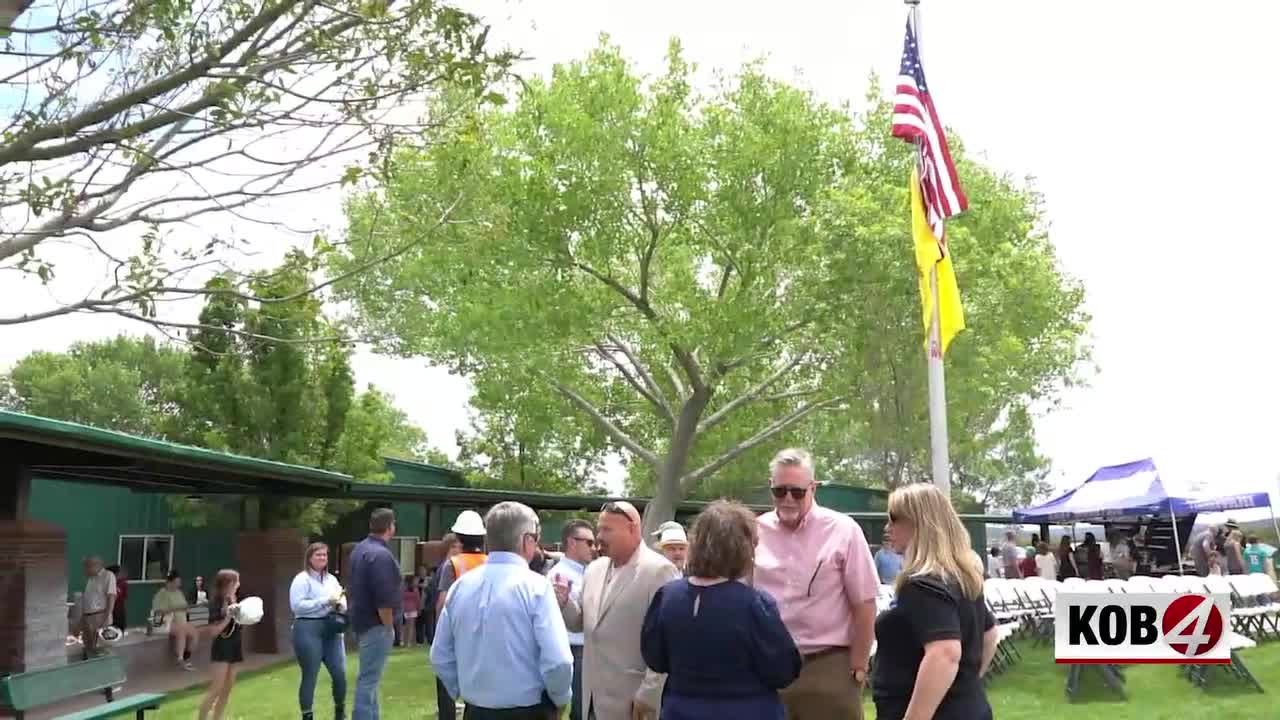
POLICY WIRE — Sandia Park, N.M. — The high desert sun baked the small gathering last Saturday, a scene familiar in its humble ambition yet surprisingly deep in its implications. Folks weren’t there for political grandstanding or to witness a ribbon-cutting on a shiny, new mega-project. They were just, well, breaking ground—literally—for a middle school. This wasn’t some flashy, state-of-the-art facility from a deep-pocketed tech hub; it was East Mountain Public Charter Schools embarking on a measured, long-awaited expansion that promises to stitch together an educational pathway previously fractured. For parents in the East Mountains, the simple act spoke volumes.
It’s not about erecting gleaming spires of academia overnight. This is the story of communities playing the long game, folks grappling with how to keep their children learning from primary grades all the way through graduation without having to uproot families or constantly readjust expectations. And, let’s be honest, it’s a saga often overlooked in the relentless churn of national headlines. But local-level movements like these often reveal more about societal priorities, and indeed, national grit, than the more bombastic pronouncements from Capitol Hill.
East Mountains High School Executive Director Trey Smith put it plain. [QUOTE_PLACEHOLDER] That’s a quarter-century wait for something many in more affluent or densely populated areas simply take for granted. Can you even imagine? It’s not just about adding brick and mortar; it’s about finally solidifying a community’s foundational learning infrastructure. Because stability, in education, is everything.
The pre-construction slog alone ate up five years, a testament to the grinding gears of approvals, fundraising, and just generally getting things done in this dusty corner of New Mexico. Teachers, parents, even some state officials, they all gathered. The expansion, nestled right alongside the existing high school, it’s gonna bring new classrooms and resources, sure, but more importantly, it offers something priceless: consistency. Think about it. The first class of sixth graders is already full for this fall. This isn’t just growth; it’s a desperate thirst for coherent educational progression, satisfied by tireless local advocacy. Indeed, New Mexico’s high school graduation rate, a sobering 76.5% for the 2022-2023 school year according to the New Mexico Public Education Department, stands as a stark reminder of the state’s ongoing educational challenges. Every single student, every structured pathway, truly does count.
This very local effort echoes a silent struggle worldwide, often most acutely felt in regions wrestling with infrastructure gaps or dispersed populations. Take, for instance, parts of rural Pakistan. There, communities frequently contend with educational disparities, particularly for girls, where a child’s learning journey might get fragmented between disparate primary, middle, and secondary schools, often miles apart. The goal of a ‘seamless pathway’ is something families in remote areas from the East Mountains of New Mexico to the valleys of Gilgit-Baltistan desperately crave—a coherent 6-12 system that doesn’t just pass students through but genuinely aligns culture, expectations, and mission, all to foster future generations.
What This Means
From a policy standpoint, this seemingly small groundbreaking carries significant weight. It showcases the quiet triumph of the charter school model as a response to perceived state inadequacies in providing tailored, localized educational solutions. And, it’s often these very grassroots initiatives that expose the cracks in broader state education budgets and planning. The five-year pre-construction timeline, for example, points to systemic hurdles—administrative, financial, or political—that can delay critical community development, sometimes indefinitely. Who’s paying for what, — and how long does it take? Those are always the big questions.
Economically, a stable 6-12 pathway in East Mountains could have ripple effects. Families considering moving to the area now have a more attractive prospect. They’ve got assurance their kids can matriculate predictably through their formative years, avoiding the disruption of multiple school transfers. That stability fosters population growth and, eventually, a stronger local economy, retaining human capital within the region. And that’s a win. But, it also begs the question: are charter schools filling gaps the public system can’t or won’t address?
The implication is clear: when the larger system falters, communities aren’t just sitting on their hands. They’re pooling resources, making long-term plans, and literally—dirt flying—building their own futures. It’s a messy, protracted business, but ultimately, it means more than just a new building; it’s about self-reliance etched into the desert landscape. You can look into adding your child to their wait list: East Mountain School Enrollment Lottery. This quiet defiance in the face of what’s been available tells you all you need to know about the power of local determination, much like a good school system in New Mexico’s broader desert region helps define identity and aspiration.