


New Mexico Desert Blooms with Defiance and Solidarity: A Regional Identity Quest
POLICY WIRE — Albuquerque, United States — For some, the arid landscape of New Mexico—vast, ancient, and unflinching—feels like an odd backdrop for an outpouring of technicolor solidarity. Yet, in...

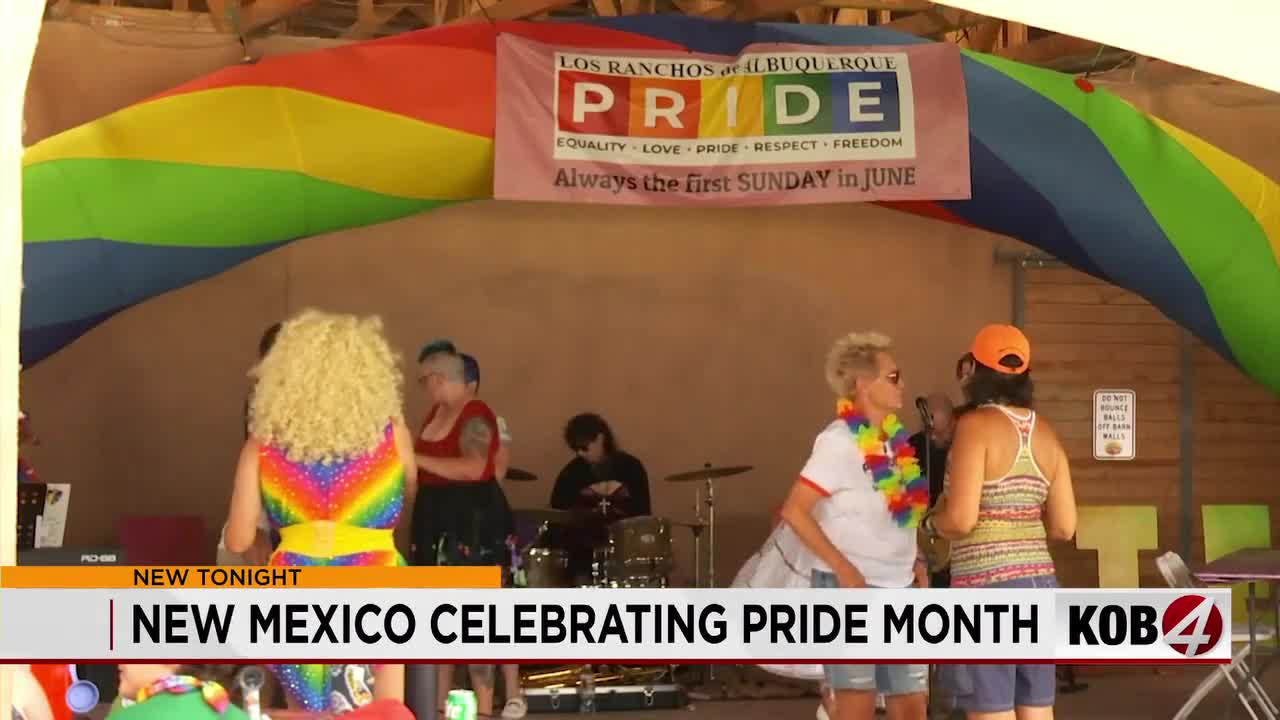
POLICY WIRE — Albuquerque, United States — For some, the arid landscape of New Mexico—vast, ancient, and unflinching—feels like an odd backdrop for an outpouring of technicolor solidarity. Yet, in Los Ranchos de Albuquerque, beneath a sky as immense as the histories etched into the land, an unlikely assembly gathered. They weren’t just marking a month, or celebrating an identity. They were staking a claim, very publicly, to existence itself.
It’s easy to dismiss these events as mere festivities, a summer diversion. But dig a little, and you hit rock. “Pride is important because it started as a protest. The gay rights movement started on June 28, 1969 by trans women of color and other minority groups,” explained Raymond Sierra Lopez, an ABQ Pride Board President. He’s right, of course. This isn’t some fresh phenomenon; it’s got roots, deep ones, in the dust-ups of marginalized communities pushing back against an often-hostile world. You’d think the simple act of self-acceptance wouldn’t require a public demonstration, wouldn’t you? Yet here we’re.
But the meaning shifts, it always does, with the tide. For many now, it’s not just protest. It’s an embrace, a balm for souls battered by years of quiet struggle. It’s about being authentic, shedding the heavy cloak of societal expectation. As Mr. New Mexico Pride 2026, Teddy Michael, put it: [QUOTE_PLACEHOLDER] A pretty hefty concept, that — individual freedom hitched to collective liberation. That’s what’s on display here. A whole lot more than just rainbow flags, believe me.
Then there are the personal stakes. Serena K. Jones, Miss New Mexico Pride 2026, laid it bare: [QUOTE_PLACEHOLDER] It’s a gut-punch, hearing someone admit they weren’t sure they’d survive. You really internalize how high the personal cost of identity can be in societies that prize conformity above all else.
It’s this sense of precarious survival, the constant whisper of a hostile world, that galvanizes Dr. P.J. Sedillo, an organizer of Sunday’s event. “There might be one kid who’s here who is going to stay alive today and has hope for the future,” Sedillo observed. A heavy thought, isn’t it? That a street festival might be someone’s last resort, their literal lifeline. Because while the Albuquerque events — including an upcoming parade and festival this Saturday — welcome everyone, even allies and children, not everyone greets them with open arms.
And dissent is never far, even in this ostensibly tolerant pocket of the Southwest. [QUOTE_PLACEHOLDER] Sedillo noted. It’s a classic cultural clash, isn’t it? The push-back against what some perceive as an intrusion on traditional norms. But for Monica Walsh, who brought her entire family to Los Ranchos, the choice was clear: [QUOTE_PLACEHOLDER] There’s your generational divide, writ small in a dusty parking lot.
This dialogue, this public negotiation of identity — and acceptance, is familiar terrain far beyond America’s borders. Take Pakistan, for instance. A nation rich in cultural heritage, but where conversations about LGBTQ+ rights remain largely in the shadows, if they happen at all. Section 377 of Pakistan’s Penal Code criminalizes homosexual acts, a relic of colonial law, perpetuating a climate of fear and marginalization. While not directly comparable in scope or safety, the fundamental human yearning for acceptance and recognition isn’t exclusive to New Mexico. Globally, 67 countries still criminalize consensual same-sex sexual activity, with eight carrying the death penalty (Human Rights Watch, 2023). It puts the New Mexico debates—the presence of protestors notwithstanding—into sharp, sometimes unsettling, perspective. Perhaps, despite their stark differences, these two regions represent different points on a continuum of human rights; one striving to expand, the other struggling under historical weight.
What This Means
The burgeoning visibility of Pride events, even in more conservative states like New Mexico, suggests a continued—if slow-moving—cultural shift in parts of the United States. Politically, this movement towards broader societal acceptance can influence local and state legislative priorities, affecting everything from non-discrimination laws to education policies. For those advocating for LGBTQ+ rights, events like the Los Ranchos Pride gathering reinforce community and validate identities, strengthening their political voice. Economically, these gatherings, particularly larger parades and festivals, also contribute to local economies, boosting tourism and retail in cities like Albuquerque. But there’s a deeper current too, a message rippling out to communities where such visibility is a dangerous dream. Think of the diaspora populations in the West from countries where LGBTQ+ individuals face severe penalties—this open expression of identity here becomes a powerful, if remote, symbol of potential freedom, echoing in ways both seen and unseen. For some, seeing a community thrive might offer hope for a less repressed future for their homeland, though the path there’s certainly not an easy one. It’s a delicate balance, this quiet fight for inclusion in a globalized, yet fragmented, world.
But back in the present, for those attending, the point remains simple. It’s about acknowledging humanity, — and giving it space to breathe. For more on navigating complex global societal norms, one might consider how nations handle evolving identity issues across borders, as seen in topics like Soccer’s Global Stage Meets Sovereign Borders. After all, the pursuit of acceptance, in its varied forms, is an ongoing narrative across every landscape. Including those very dry ones. And that, in itself, is a story worth telling.