


New Mexico’s Arid Irony: The Promise of Rain, The Peril of Dust
POLICY WIRE — Albuquerque, N.M. — A whisper of rain in the parched American Southwest, only to have the sky snatch it back before it touches the desert floor. This isn’t just a weather...

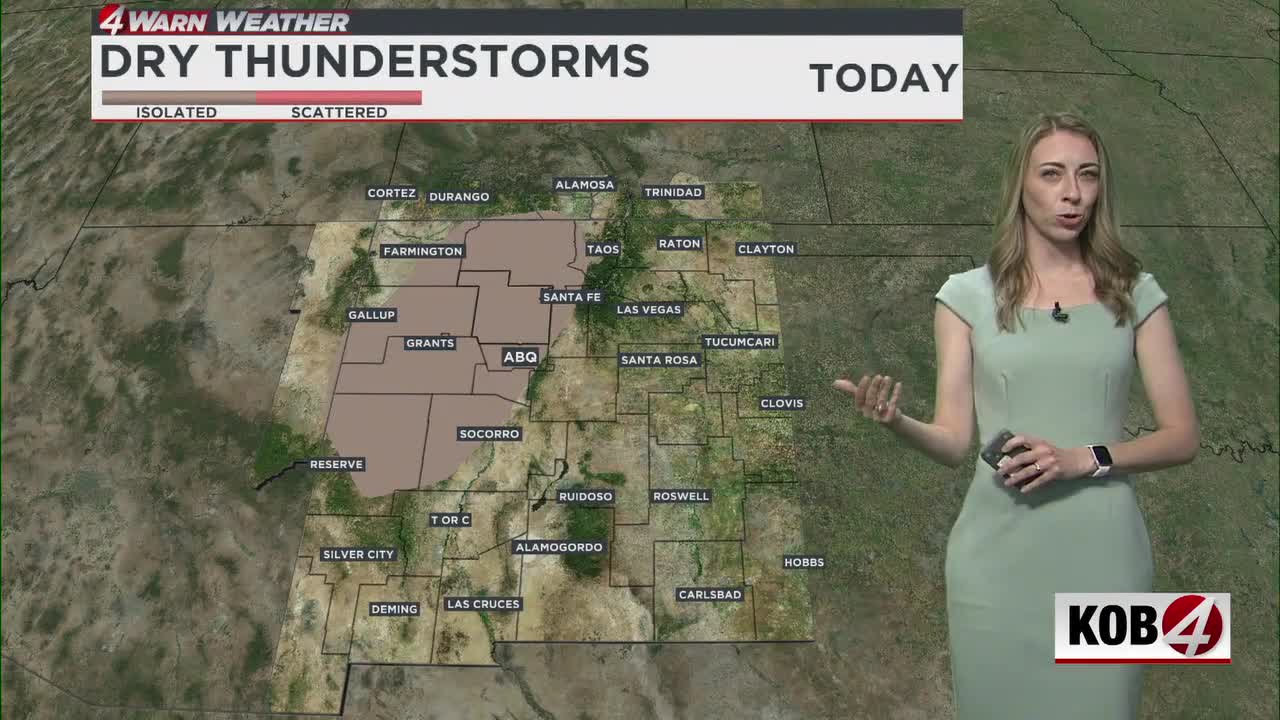
POLICY WIRE — Albuquerque, N.M. — A whisper of rain in the parched American Southwest, only to have the sky snatch it back before it touches the desert floor. This isn’t just a weather forecast; it’s a profound, rather bleak, parable playing out across New Mexico this week.
It sounds almost biblical, this idea of ‘virga showers — and dry thunderstorms’ – rain you can see, but never feel. Imagine the expectation, the slight tremor of hope, as clouds gather, hinting at respite from the relentless heat. Then, nothing. It’s a trick of the light, an atmospheric mirage, all because the ground, well, it’s just too darn thirsty. [QUOTE_PLACEHOLDER]
Local meteorologists, those prophets of precipitation, have been blunt. There’s enough ‘mid-to-upper level moisture’ heading in from a system over the western United States, they say, to get some serious cloud cover going. You’d think that would be cause for celebration, right? But the catch? The surface here, for much of New Mexico, ‘is not’ saturated. This creates a kind of cruel equilibrium, a frustrating loop where potential storms generate ‘downbursts with gusty winds and fire weather danger’ rather than life-giving drops. And frankly, this setup, it’s getting to be less an anomaly — and more the routine in an age of shifting climates. They’re predicting a ‘low, 10% chance’ of anything resembling ‘wetting rains’ reaching the ground, because most of it will simply ‘evaporate before it hits the ground due to the dry air at the surface’.
It’s a peculiar dance, moisture coming in, then getting whisked away. Clouds will build off to the west — and southwest mountains, sure, making it seem like change is afoot. But the reality? We’re set for a ‘breezy afternoon and evening with blowing dust getting lofted into the air as storms approach or pass through’. The irony, it’s thick like the dust itself. So much atmospheric theatrics, so little actual water. But, here’s a kicker: monsoon season kicks off ‘one week away from today’!
This cycle of hope — and meteorological disappointment isn’t unique to New Mexico. Think of the drought-stricken regions across South Asia or the Middle East—areas where water is life, and its scarcity defines everything from agriculture to political stability. In places like Pakistan, for instance, despite facing severe monsoons that can cause catastrophic flooding in some years, large swaths also contend with arid, semi-arid conditions where water management, or lack thereof, spells disaster. For decades, Pakistan’s Water and Power Development Authority (WAPDA) has documented how river flows, a primary water source, have been erratic, heavily reliant on glacial melt and monsoonal patterns. These patterns are changing, becoming less predictable. The challenge of ‘dry thunderstorms’ producing dust storms is something many agrarian economies, struggling with climate shifts, recognize all too well. It means crops suffer, livestock are at risk, and human health—particularly for those exposed to respiratory ailments from constant particulate matter—declines. A single dust event, much like those predicted for New Mexico’s Four Corners region, can halt outdoor labor, ground flights, and erode topsoil over hundreds of square miles.
The National Weather Service certainly isn’t taking chances, having issued ‘Red Flag Warnings for the Four Corners both today and tomorrow from 12-9 p.m.’. These aren’t casual alerts. These are serious, signaling a very high fire risk, a threat amplified by those ‘gusty winds’ from the so-called storms that don’t even deliver rain. It means firefighters are on edge, communities are under a perpetual cloud of worry (literally, and figuratively), and the fragile ecosystem here braces for another hit. In a world increasingly defined by climate extremes, even the most basic elements—a sky full of clouds—become deceptive omens. We’re also seeing a ‘minor to moderate heat risk for heat-related illnesses’ across the state, with ‘A couple of spots’ facing ‘a major risk’. Heat is a quiet killer; dry storms — and gusty winds just make the process more theatrical.
What This Means
The situation in New Mexico offers a stark lesson, really. This isn’t just about local weather anymore. It’s about systemic climate change manifesting as a twisted sort of normalcy, a steady erosion of expected seasonal patterns. Economically, prolonged drought and elevated fire danger translate directly into agricultural losses, higher insurance premiums, increased emergency service budgets, and a tangible hit to outdoor tourism. Ranchers, farmers, — and even local businesses feel the squeeze. Policy-makers, whether in Albuquerque or Islamabad, are now consistently battling a foe that doesn’t play by historical rules.
And then there’s the broader policy impact. When a region becomes accustomed to water-light, dust-heavy conditions, it shifts everything. Water rights disputes become more contentious. Development decisions, previously made with an assumption of stable resources, are called into question. And as the planet warms, incidents like these – where the atmosphere holds out the promise of water only to withdraw it last-minute – will only become more common. This isn’t merely weather; it’s a foreboding political indicator of global resource scarcity and its potentially explosive ramifications for millions.
These conditions force communities to adapt or perish, sparking innovations in water conservation technology but also fostering mass migrations and geopolitical tensions over scarce resources. Indeed, these localized weather anomalies — or perhaps, new normals — demand regional identity quests and bold, forward-thinking policy responses beyond the seasonal cycle. Because a day where ‘storms possible but not likely to produce much rain’ ceases to be an interesting headline and becomes, instead, the tragic everyday. This kind of arid irony? It hits hardest where the stakes are already sky-high.