


Mothers Speak Out on Postpartum Mental Health Amid Lindsay Clancy Trial
POLICY WIRE — City, Country — Mothers closely following the Lindsay Clancy murder trial have opened up about their own battles with postpartum mental health issues, highlighting the inadequacies in...

POLICY WIRE — City, Country — Mothers closely following the Lindsay Clancy murder trial have opened up about their own battles with postpartum mental health issues, highlighting the inadequacies in America’s maternal healthcare system.
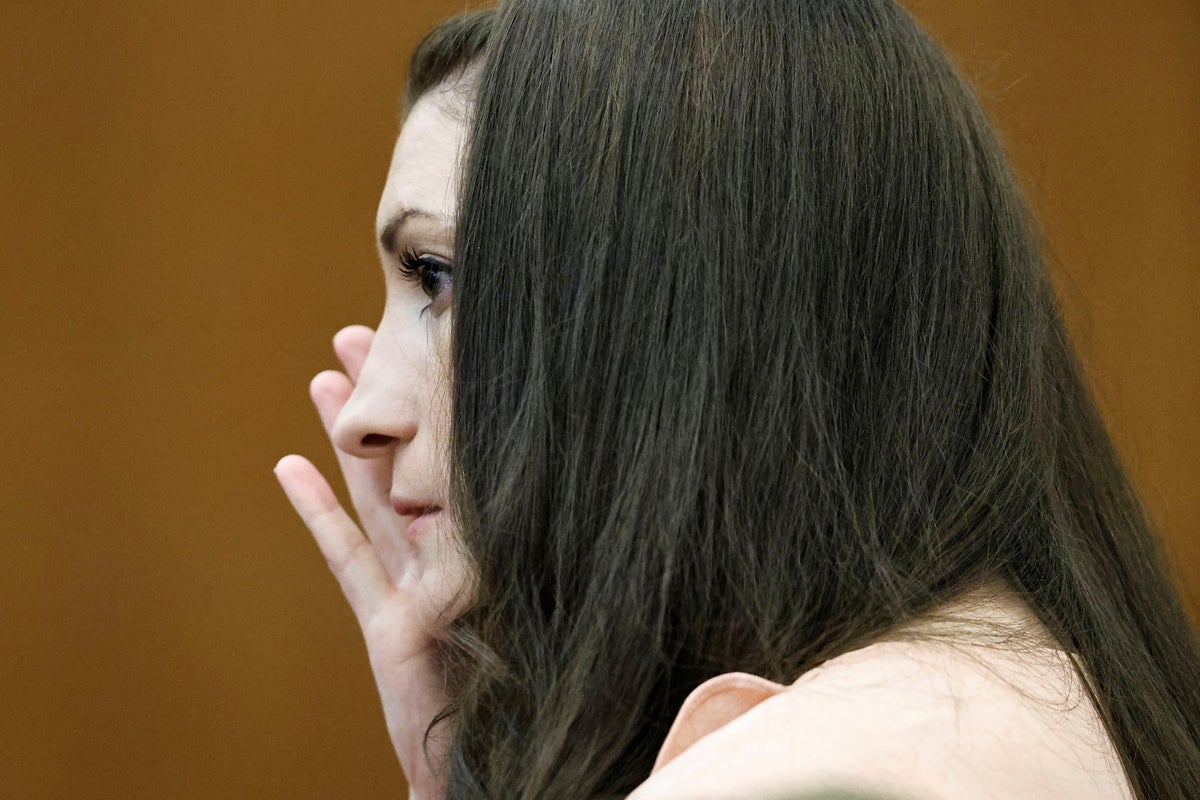
The trial of Lindsay Clancy, a former labor and delivery nurse accused of killing her three children and attempting suicide, has brought postpartum psychosis into the public eye. Clancy’s defense claims she was not criminally responsible due to the onset of postpartum psychosis, while the prosecution argues the actions were premeditated.
Stormi Griffin, a 23-year-old dance teacher from Paris, Texas, shared her experience with postpartum psychosis on social media, emphasizing that the condition does not always manifest as extreme behavior. Griffin was diagnosed with the condition after the birth of her son Ethan.
Postpartum psychosis, a rare but serious condition affecting about one to two women per 1,000 births, is characterized by severe symptoms such as hallucinations and delusions. Unlike postpartum depression, which affects about one in seven women, psychosis requires immediate medical attention.
Griffin described her symptoms, which included hearing voices and experiencing hallucinations, making her feel disconnected from reality. She stressed the importance of recognizing that individuals with postpartum psychosis can appear normal on the outside.
Wendy Davis, executive director of Postpartum Support International, explained that many mothers suffering from mental health disorders around childbirth engage in masking, where they maintain normal appearances despite internal struggles.
Griffin’s symptoms began two months after giving birth, starting with depression and anxiety, and later escalating to more severe psychosis symptoms. She was eventually diagnosed with postpartum psychosis and bipolar 2 disorder.
After an intervention by her employer and husband, Griffin received proper medication and therapy, which helped her recover. She emphasized the critical role of support from her family and medical professionals in her recovery.
The Clancy trial has sparked a national discussion about the shortcomings of maternal care in the U.S. and the broader treatment of women by the healthcare industry. Griffin believes that luck played a significant role in the care she received, contrasting with Clancy’s experience.
Other mothers, like Onna Wallace and Sarah Curtis, have also shared their postpartum mental health struggles, emphasizing the need for better support and more accessible mental health care for new mothers.
Reporting by Policy-Wire (PW)