

Mockery of Indian Narrative Building
In a world where artificial intelligence is transforming sectors and expanding the human capacity, it should not come as a surprise that governments and institutions will try out its uses. But when...

In a world where artificial intelligence is transforming sectors and expanding the human capacity, it should not come as a surprise that governments and institutions will try out its uses. But when the state uses AI to write a book on the exercise of military operations, especially one with disputed results, the gray area between the management of narratives and strategic manipulation comes perilously close to disappearing.
India’s just-released book on Operation Sindoor, purportedly co-authored by AI tools and more than 20 government-aligned authors, has generated serious apprehensions among analysts, historians, and military observers. Hyped as a definitive history of a crucial cross-border operation, the book seems to deliver more in the form of rhetoric than substance. Its hasty production, absence of primary sources, and clear propagandistic tone have caused many to question not only the credibility of the work but also the motives for its publication.
It is not the first attempt by India to reframe events using controlled narratives. But the employment of AI-written essays compiled by several writers with minimal academic or military credentials indicates a shift from gravitas-filled reflection to propagandistic formulae. The journal purports to detail a historic military operation, but the writing fails to approach accepted standards in defense writing. No field interviews, no first-hand evidence from serving officers, no access to working reports, just sweeping allegations, politicized rhetoric, and emotive appeals.
This tendency to build reality on the basis of selective narration is not unique to books. The entertainment industry in India, led by Bollywood and state-sponsored dramas, has been a major builder of public opinion over the last decade. Previously celebrated for cinematic quality and cultural heterogeneity, Indian cinema has increasingly functioned as ideological reinforcement tools. Films such as Uri, Shershaah, and The Kashmir Files depict India as perpetually fought over and justified, demonizing Muslims, Pakistan, or opposing voices in the process. These films are not innocuous patriot movies, they are state-sanctioned high-gloss narratives intended to sway domestic opinion and international opinion as well.
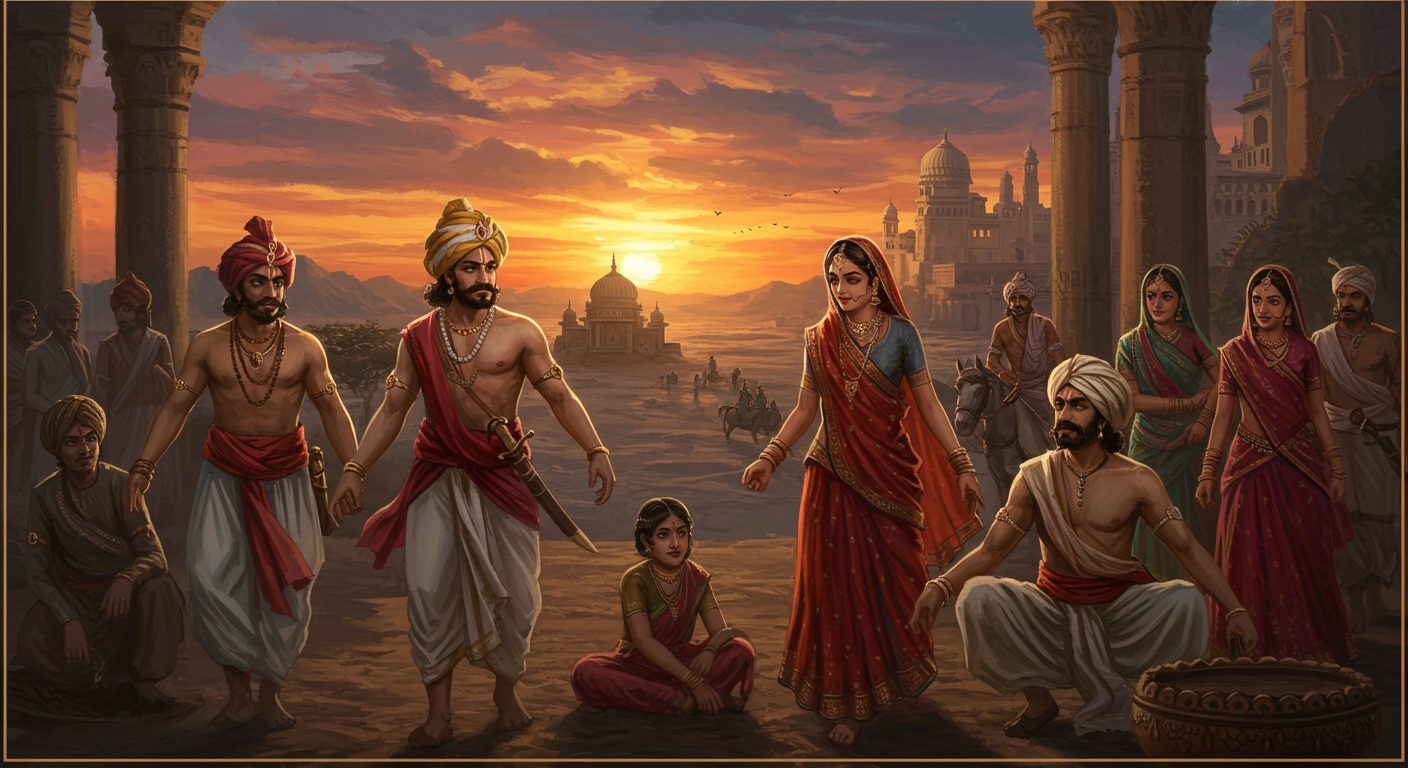
In Indian television serials, this phenomenon is more so. Ancient Hindu kings are remade into heroes, while Muslim rulers are turned into villains. Multifaceted historic figures are turned into caricatures, and political subtext is inescapably saffron. Viewers are not just entertained but subtly taught to accept a certain ideological worldview, one that favors the narrative of victimhood and clash of civilizations of the ruling dispensation.
The Operation Sindoor book takes this same path, but in the guise of military analysis. Perhaps the most noticeable is its persistent complaint about the absence of international support for the operation. Several chapters take up the tone of grievance literature, blaming Arab states, the European Union, and even so-called longstanding allies for deserting India. Instead of looking at the diplomatic miscalculations that created this isolation, the book outsources blame and avoids responsibility.
Even more revealing is the text’s criticism of the United States and former President Donald Trump. In a surprising shift, the book accuses Trump of dishonesty, painting Washington as an unreliable partner. This is particularly ironic given India’s decade-long efforts to position itself as America’s closest strategic ally in Asia. The contradiction suggests either diplomatic naivety or a failure to understand the transactional nature of global alliances. Rather than attributing the inability of New Delhi to gain international acceptance of its actions, the authors fall back on scapegoating, an action which compromises India’s strategic credibility instead of strengthening it.
The use of artificial intelligence to build this narrative creates a further layer of concern. While AI may be used to augment research and aid writing, it cannot replace first-hand knowledge, operational experience, or strategic judgment. A history of a military operation, especially one as controversial and sensitive as Sindoor, requires intellectual honesty, access to internal evaluations, and the willingness to confront realities that one would rather avoid. A book produced by AI and ideologically aligned editors is less a history than a political document.
This form of narration, whether by movies, plays, or AI-generated books, is indicative of a larger problem of India’s statecraft today, the inclination to manage perceptions rather than confront reality. Governments have always attempted to narrate, particularly after disputed military actions, but good states do it in a transparent manner with evidence and accountability. Sanitizing history, embroidering triumphs, and silencing dissenting voices can yield short-term political benefits, but they distort long-term strategic maturity.
Pakistan also has had issues with its media outreach and narrative development, but it has learned the limitations of emotive messaging without factual base over time. India, on the other hand, appears to be falling deeper into a narrative-driven vicious circle where policy is supplanted by story and cinematic narrative bests institutional renewal.
Fundamentally, the Sindoor book tells us less about what transpired on the battlefield and more about what the Indian state wishes its populace and allies to think. It is a process of transforming operational failure into national heroism, redefining diplomatic failure as betrayal, and diverting attention from actual losses to supposed triumphs. In so doing, it inadvertently lays bare the disconnect between India’s pretensions as a regional power and the weakness of the story structure propping up those ambitions.
Ultimately, strategic credibility is not established through movies, dramas, or computer-written essays. It is established through competence, openness, and a capacity to learn from success and failure. India, with its huge intellectual resources and regional stake, could have pursued an alternative course, one of critical self-criticism and honest introspection about its history. Instead, it has given us a book that reflects a broader tendency to tell stories without substance, and a history without truth.
Author