
Makalu’s Grim Toll: Another Climber Lost Amid Nepal’s Dangerous Economic Gamble
POLICY WIRE — Kathmandu, Nepal — The Himalayas, a grand, unforgiving canvas, draw hundreds each spring with promises of Everest-sized glory. But, the ledger of Nepal’s perilous high-altitude...

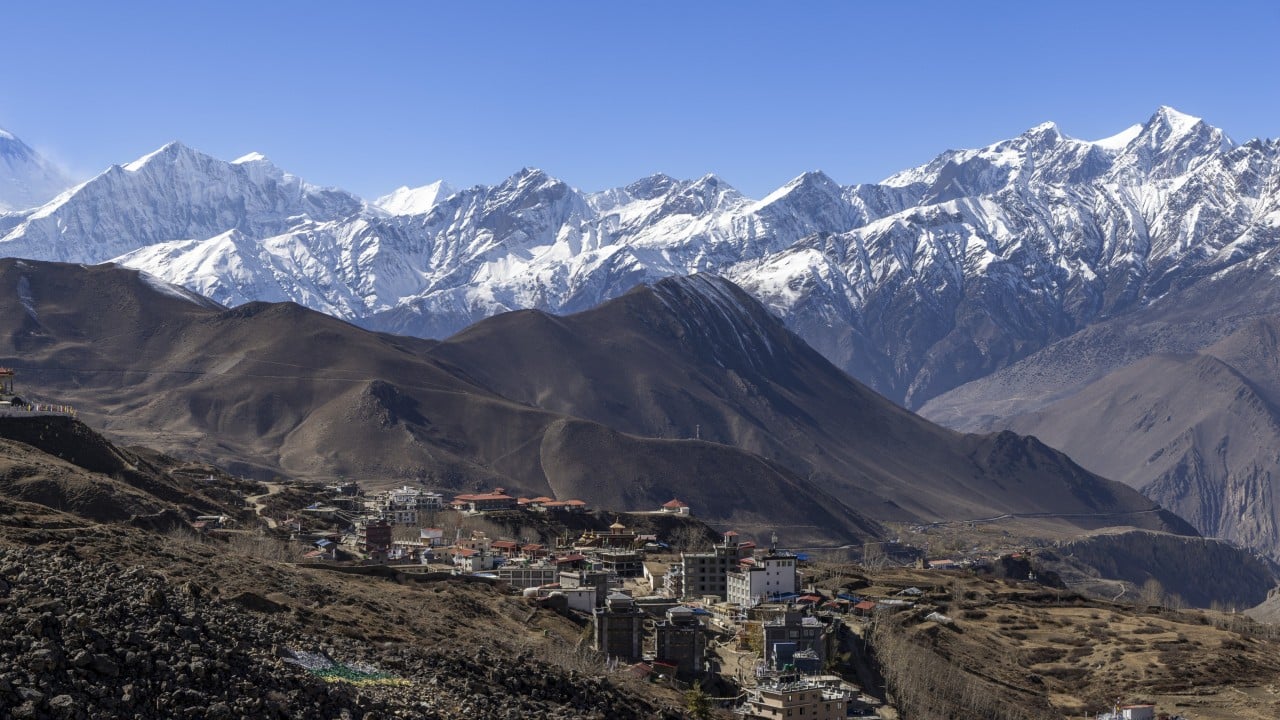
POLICY WIRE — Kathmandu, Nepal — The Himalayas, a grand, unforgiving canvas, draw hundreds each spring with promises of Everest-sized glory. But, the ledger of Nepal’s perilous high-altitude tourism continues to tilt heavily toward tragedy. An American climber, intent on conquering the world’s fifth-tallest peak, found only an early end, swept away by an avalanche — just the latest, and certainly not the last, casualty in a season already stained with too much crimson snow.
Shelley Johannesen, a 53-year-old co-founder of a US-based outfitter, perished Monday while descending from Mount Makalu’s dizzying summit. She was, by all accounts, an experienced mountaineer, not some wide-eyed novice. And yet, the mountain doesn’t discriminate. She’d made the top; the journey down proved her undoing, caught in a thunderous surge of snow — and ice. It’s a sobering reminder that reaching the peak is only half the battle. Often, it’s not even the harder half.
But Johannesen isn’t the sole grim tally. Not even close. Before her, a 38-year-old Czech climber, David Roubinek, had already succumbed to the altitude and exertion earlier this season. Three Nepali guides — the true, unsung heroes and frequently forgotten victims of this relentless industry — have also perished across the sprawling Himalayan range so far. This isn’t just an unlucky streak; it’s becoming an annual, brutal pattern, a consequence of unchecked ambition and — let’s face it — a desperate need for revenue.
Because Nepal, a country that routinely tops lists of the world’s poorest nations, depends heavily on the allure of its magnificent, deadly mountains. The climbing season brings in millions of dollars each year, feeding a local economy that thrives on expedition logistics, Sherpa services, and general mountaineering tourism. “We must balance the thrill of adventure with absolute caution,” remarked Mingma Sherpa, a prominent Nepali mountaineer and expedition organizer, in a rare moment of candor. “But, well, profit has its own gravitational pull, doesn’t it?”
This stark reality isn’t confined to Nepal’s borders. The high peaks that pierce the skies of Pakistan and the wider South Asian region also see their share of commercialized danger. They, too, grapple with the twin demands of safety and economic sustenance, often with fewer resources or regulatory frameworks. It’s a dance between a government keen for foreign exchange and the unforgiving whims of nature, played out across thousands of feet of rock and ice, sometimes in full view of international scrutiny, other times, silently.
The numbers don’t lie. Data from Nepal’s Ministry of Culture, Tourism and Civil Aviation indicates that expedition operators generated over $50 million in Everest permit fees alone in 2023. Makalu permits, while less expensive, contribute to a total revenue stream that’s become indispensable. More permits issued means more bodies on the slopes, increasing congestion and, arguably, the overall risk. More opportunities for human error, for nature’s indifference.
“We see an unhealthy fixation on ‘summits for all costs’ driving some outfits,” stated Jennifer Harding, president of the Mountain Safety Alliance, an international advocacy group. “They’re pushing clients — and their crews to conditions that, honestly, border on criminal negligence. It’s a race, and frankly, people are paying the ultimate price just to win bragging rights.” It’s a business where the stakes aren’t just monetary; they’re existential.
And while the stories of foreign climbers grab headlines, the systemic issue reverberates far beyond the immediate grief. These tragedies become footnotes in the grand narrative of tourism, but for the local communities and families, they’re devastating seismic events. They highlight the precarious existence many in this part of the world accept, just to carve out a living from the sheer audacity of those who chase impossible heights.
What This Means
This escalating toll casts a long shadow over Nepal’s tourism future, pushing authorities into a policy tightrope walk. On one hand, the government simply can’t afford to drastically curtail expeditions; the economic arteries run deep, affecting thousands of families who depend on high-altitude employment. Think about it—the porters, the cooks, the guesthouse owners. It’s an entire ecosystem.
But if these deaths continue unchecked, the reputational damage could hit harder than any avalanche. It’s not just about one American or Czech climber; it’s about Nepal’s image as a responsible host, and its ability to manage the very assets that make it attractive. The economic struggles in the broader South Asian context often push governments toward short-term gains, sometimes at the expense of long-term sustainability or safety. The pressure to generate revenue in countries like Pakistan or Bangladesh often outweighs regulatory caution, and Nepal isn’t immune.
the disproportionate risk borne by the Sherpa community, who often work with insufficient insurance or safety nets, remains a persistent, ugly truth. Policy makers will need to find a way to enforce stricter safety protocols for all, perhaps higher permit fees for increased regulation and rescue services, without strangling the golden goose. It’s a difficult calculus. But without meaningful action, these majestic peaks will just keep claiming their due, one high-paying client, one tireless guide, at a time.