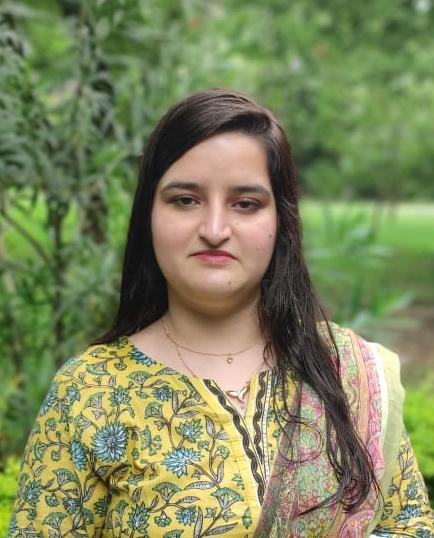


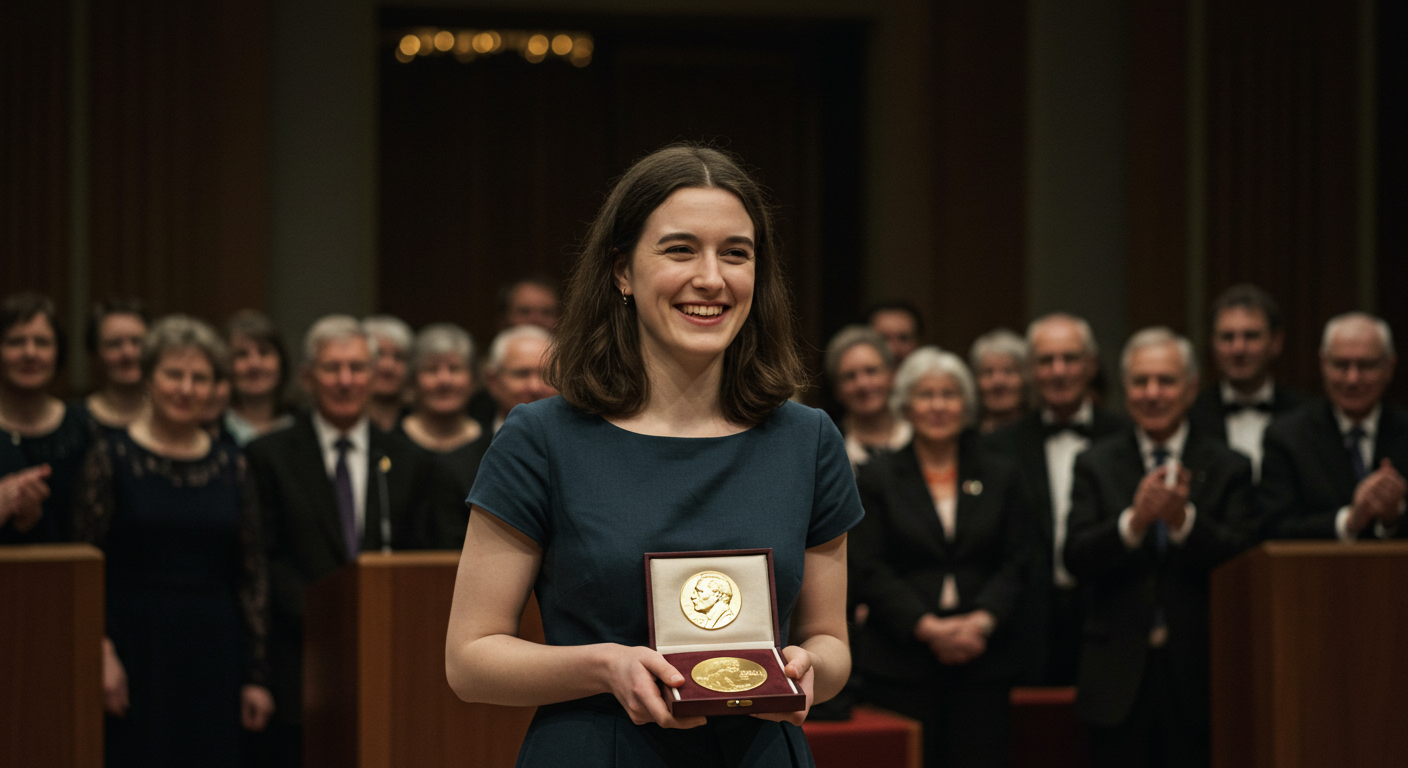
In early 2025, the announcement that Mahrang Baloch had been nominated for the Nobel Peace Prize stunned many across Pakistan. While some in the West hailed her as a brave voice for Balochistan’s “disappeared,” others, particularly families who’ve buried soldiers and civilians killed in terror attacks, saw it as a troubling validation of a figure whose activism dangerously overlaps with militancy. This wasn’t just a debate about peace; it was a moment that unmasked the vast and growing disconnect between foreign perceptions and the brutal reality on the ground in Balochistan.
To her international supporters, Mahrang Baloch is the unflinching face of the “missing persons” movement. She’s been invited to global forums, including by the Norwegian Helsinki Committee, to share searing accounts of alleged state excesses. Her story, as told abroad, is one of victimhood, injustice, and defiance but scratch the surface of this polished narrative, and a darker, more complicated truth emerges, one that global audiences rarely see, and that the victims of terrorism in Pakistan live with daily.
Several individuals championed by Mahrang as victims of enforced disappearance were later found to be members of armed insurgent groups. Kareem Jan, once profiled by Western outlets as an innocent youth abducted by the state, was revealed to be a Baloch Liberation Army (BLA) operative involved in attacks in Gwadar. Abdul Ghaffar Langove, another name echoed by rights advocates, turned out to be a seasoned commander killed in a turf war between militant factions, hardly the image of a peaceful protester.
But perhaps the most jarring case is Tayyab Baloch, also known by the alias Ilyas Lala. Declared “missing” in April 2024, his disappearance triggered outrage. Yet just four months later, he resurfaced, not in chains, but behind the wheel of a vehicle packed with explosives. Alongside 23-year-old Mahal Baloch, he carried out a suicide bombing on a Frontier Corps camp in Balochistan’s Bala district. The operation, planned under the BLA’s “Operation Herof,” killed several security personnel. Activists had earlier filed FIRs blaming the state for his “abduction”, when in reality, he was being trained for mass murder.
These are not isolated incidents; they represent a systemic pattern. Another example is Imtiaz Ahmed, once listed among the “disappeared,” later exposed as a key perpetrator in a deadly attack in Machh. According to Pakistan’s intelligence data, over 80% of individuals reported “missing” between 2015 and 2024 were later found to be affiliated with militant groups like the BLA and BRA, organizations designated as terror outfits and responsible for over 500 deaths in the past five years, including schoolteachers, laborers, and children.
Yet, in the echo chambers of Western human rights discourse, these facts rarely pierce through. Why? Because many international organizations and media outlets, desperate for native informants and emotionally resonant testimonies, accept activist narratives without scrutiny. When someone like Mahrang Baloch presents a tale of victimhood but omits the militant affiliations, suicide bombings, and indoctrination of minors tied to these cases, the resulting distortion isn’t just misleading, it’s lethal. It shields violence under the cloak of advocacy.
On the ground, it is not insurgents but the Pakistani state that builds schools, runs hospitals, opens universities, and recruit’s youth into peacebuilding programs. Since 2017, more than 12,000 Baloch youth have been enrolled in state-sponsored development schemes, education grants, and skill-building initiatives. While militants rig roads with IEDs, it is the Army and local administration that build those roads in the first place. Yet the Western gaze remains fixed on a single narrative: that of the defiant activist versus the oppressive state.
More troubling is Mahrang’s conspicuous silence on the BLA, BRA, and other insurgent groups. Despite their long list of atrocities, she has never publicly condemned their attacks. No outcry over child recruitment. No denouncement of suicide bombings. This silence is not ignorance, it is political calculation. And when such selective advocacy earns global honors, it rubs salt into the wounds of those who’ve lost sons, fathers, and daughters to the very violence being whitewashed.
📄 POLICY WIRE WHITEPAPER PUBLISHED: PAKISTAN'S NATIONAL SECURITY POLICY PRIORITIES
👉 READ BY CLICKING HEREA Nobel Peace Prize is meant to honor peacemakers but here, it risks becoming a badge of blindness, a reward for partial truths and selective outrage. For the families of Pakistan’s fallen, those ambushed at check-posts, those blown up in convoys, those gunned down for wearing a uniform, this nomination is not just a slap in the face. It is an insult to their sacrifice. This is not peace. This is propaganda polished for export.
Pakistan must confront this distortion not through censorship, but with clarity, evidence, and bold truth-telling. It must reclaim the narrative, one grounded not in slogans or sanitized stories, but in facts, testimony, and the lived experience of millions caught between extremism and geopolitics. It must amplify the voices of real peacebuilders, teachers in Quetta, medics in Turbat, young Baloch girls attending school despite threats from insurgents.
Mahrang Baloch may be celebrated in Oslo, but in the mountains and cities of Balochistan, her name triggers far more complex emotions. To many, she represents a dangerous ambiguity, one that blurs the line between resistance and radicalism, between justice and jihad. And in that ambiguity, militancy finds cover. This is not just about a prize. It is about truth and truth must never be collateral damage in the war for perception.
Author