


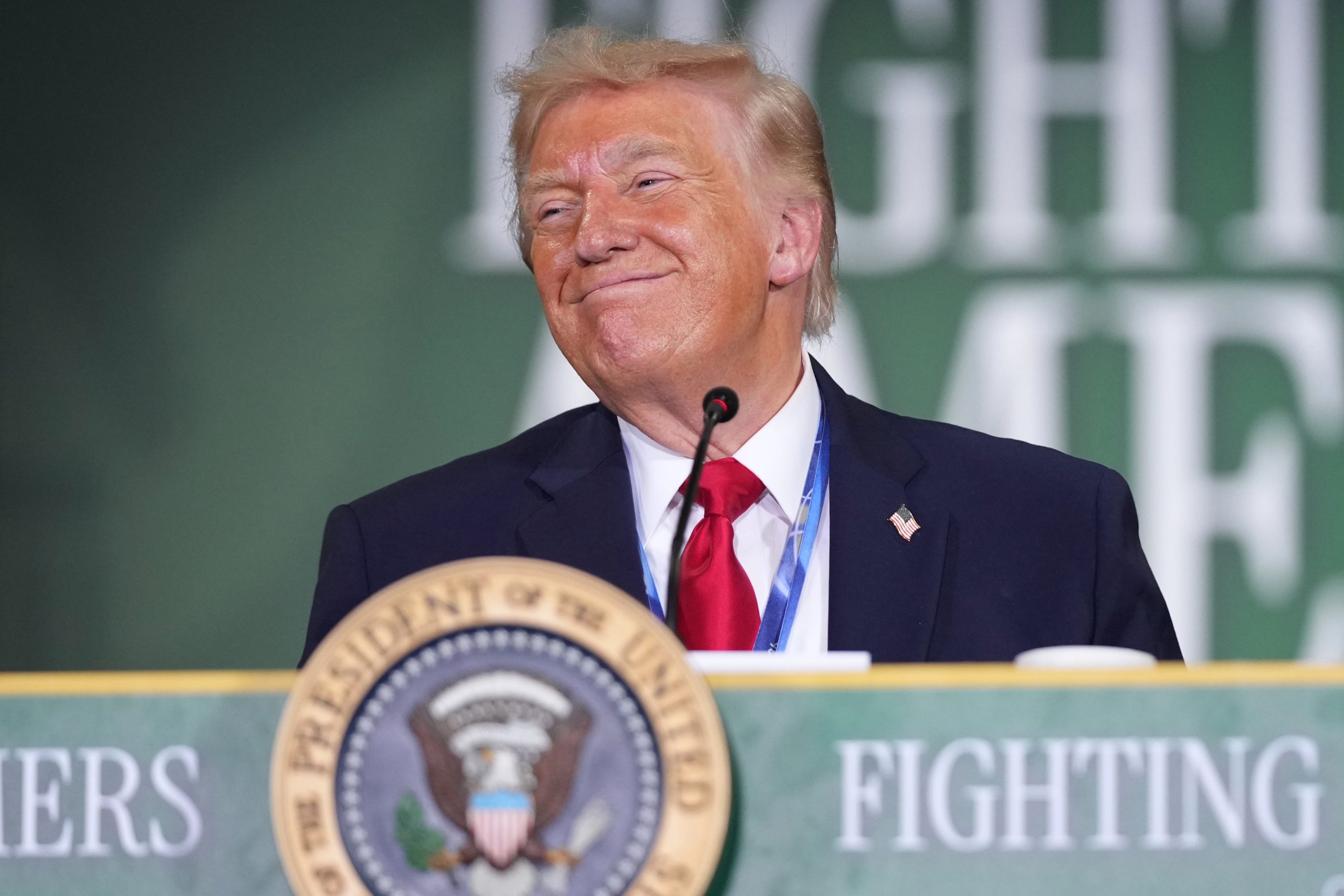
Trump Administration Pressures Hospitals on Opaque Pricing, Threatens Fines
POLICY WIRE — Washington D.C., USA — The peculiar economics of American healthcare often feels less like a market and more like a high-stakes guessing game, particularly for the consumer. One...

POLICY WIRE — Washington D.C., USA — The peculiar economics of American healthcare often feels less like a market and more like a high-stakes guessing game, particularly for the consumer. One doesn’t generally inquire about the price of an appendectomy the way one might haggle over a carpet in an Istanbul bazaar. But this week, a flash of bureaucratic frustration from Washington threatened to tear down at least some of that carefully constructed opacity. The Trump administration has dispatched a pointed message: tell people what stuff costs, or pay up.
More than 500 hospitals across the nation have found themselves in the crosshairs of an executive order pushing for greater transparency. These institutions, already navigating a Byzantine web of insurance codes and regulatory compliance, now face a new mandate: make their price lists clear, publicly accessible, and understandable to ordinary folks. It’s an exercise in regulatory muscle-flexing, aimed at—as officials would frame it—empowering patients and fostering genuine competition in a sector long dominated by information asymmetry. Because, frankly, trying to compare prices between two different emergency rooms feels like comparing quantum mechanics theorems without a physics degree.
The ultimatum isn’t a gentle suggestion; it’s a clear warning of potential financial penalties. [QUOTE_PLACEHOLDER], said a departmental spokesperson. This signals a deeper frustration within the administration regarding the glacial pace of voluntary compliance. The stated goal? Drive down costs through transparent competition, allowing consumers to make informed choices rather than simply receiving a bill that feels like a surprise lottery loss. And who can blame them? Nobody buys a car without knowing its MSRP first, but we accept it as normal practice for life-saving surgeries.
The medical lobby, predictably, hasn’t embraced this move with open arms. They’ve long argued that raw price lists are misleading, often don’t reflect the negotiated rates with insurers, and could confuse patients more than help. It’s a compelling argument if you ignore the inconvenient truth that insurers themselves often struggle to get clear pricing data, let alone individual patients. But this administration has signaled it’s ready for a fight, not just a friendly chat about best practices.
The quest for transparent healthcare pricing isn’t unique to America, though its sheer scale of financial secrecy makes it a standout. In many South Asian countries, for example, the dynamic is vastly different. While official healthcare infrastructure in places like Pakistan struggles with funding and access in rural areas, private clinics often operate with much more straightforward, albeit often cash-based, pricing for routine procedures. It’s not uncommon for a family in Karachi to get a relatively clear, upfront cost estimate for a non-emergency surgical procedure or a diagnostic test—a stark contrast to the phone tag and evasive answers often encountered when trying to get similar information from a U.S. hospital’s billing department.
That said, even in developing nations, a lack of comprehensive regulatory oversight can lead to inconsistent pricing and variable quality. But the very idea of a powerful federal body stepping in to force hospitals to reveal their rates resonates globally, perhaps suggesting a universal longing for a degree of certainty in a realm that affects us all so profoundly. It really shouldn’t be revolutionary, should it?
Globally, healthcare spending makes up a significant chunk of national budgets. For instance, the Centers for Medicare & Medicaid Services (CMS) reported that in 2022, U.S. health spending hit $4.5 trillion, representing 17.3 percent of the nation’s Gross Domestic Product. That’s a staggering amount, a figure dwarfing the GDP of many mid-sized economies. The opaque pricing, many economists argue, is a direct contributor to these exorbitant costs.
What This Means
This aggressive push for transparency carries both significant economic — and political weight. Economically, if truly enforced, it could disrupt decades of ingrained practices within the hospital sector. Increased competition, even for niche services, could theoretically drive down costs for patients who are increasingly paying out-of-pocket for high-deductible plans. But don’t expect a sudden fire sale. Hospitals have deep pockets — and powerful lobbying arms; they won’t relinquish pricing leverage easily. We’re likely to see legal challenges and protracted negotiations, turning this into a prolonged bureaucratic skirmish. Also, compliance itself costs money. There’s no free lunch in government mandates.
Politically, this is classic populist red meat for an administration eager to portray itself as battling corporate giants on behalf of the common person. It appeals to a broad base of voters weary of surprise medical bills — and ballooning healthcare expenditures. It’s a fight against the invisible hand of a market that feels anything but fair to most people. But its actual impact on average healthcare costs before the next election cycle is highly debatable. Many patients still won’t grasp the complexities, even with more accessible price lists. Insurers, the real purchasing powerhouses, already have negotiated rates. This mandate targets the small, but psychologically potent, segment of self-pay patients and the larger, more diffuse impact on market perception. It’s an ideological battle as much as a practical one—a symbolic swing of the mallet at one of America’s most infuriatingly complex systems.
The administration isn’t just threatening fines; it’s attempting to reshape an entire industry’s behavior, betting that information will ultimately empower consumers and bend the cost curve. But healthcare, for all its complexities, isn’t just another commodity. It’s a life-or-death service, — and shifting its market dynamics takes more than a stern letter.