

Lycra Invasion: How Scotland’s Quiet Corner Became a Global Cyclist Magnet
POLICY WIRE — Gatehouse of Fleet, Scotland — The wind off the Solway Firth usually carries little more than the distant bleating of sheep and the whisper of ancient history through Gatehouse of...

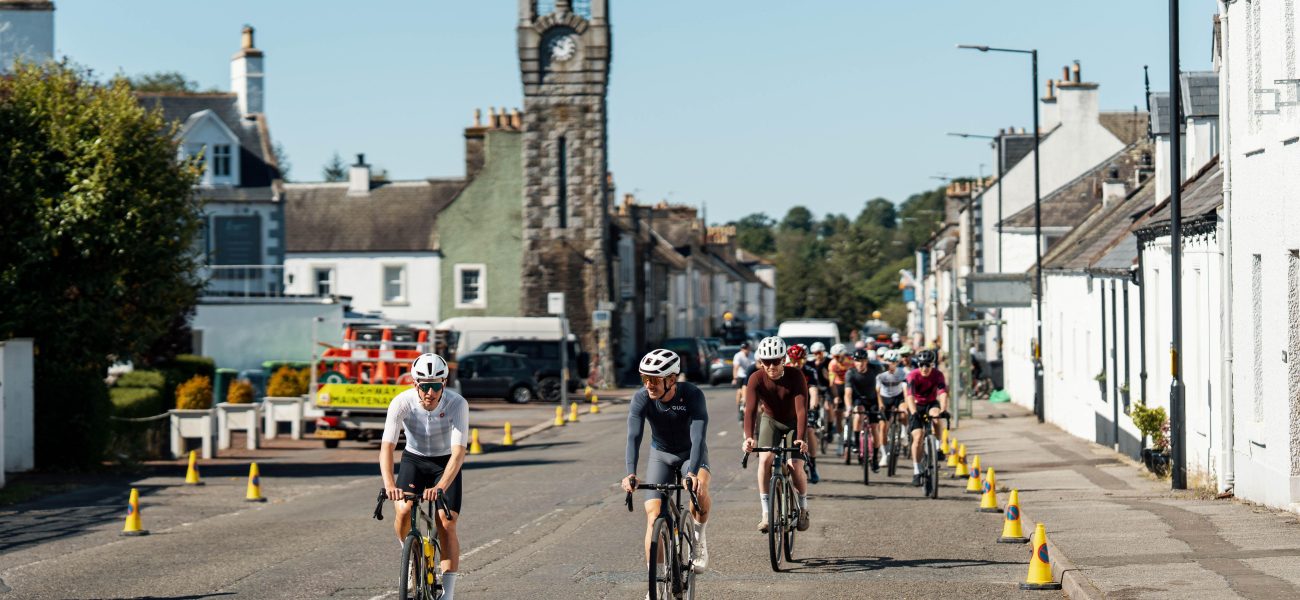
POLICY WIRE — Gatehouse of Fleet, Scotland — The wind off the Solway Firth usually carries little more than the distant bleating of sheep and the whisper of ancient history through Gatehouse of Fleet. But for a few heady days each year, that familiar soundtrack is utterly drowned out, replaced by the insistent whirring of expensive bike chains and the clipped, polyglot chatter of thousands. It’s an invasion, plain and simple—a spandex-clad surge that transforms this tranquil Scottish burgh into an unlikely epicentre of global gravel racing, shaking up local economies and, for some, even a sense of identity. You see, the sleepy village of around 800 souls suddenly swells with nearly 3,000 cyclists, outnumbering permanent residents three-to-one, according to estimates by event organizers, Red On Sports.
No, this isn’t some quaint community fête. This is The Gralloch, a grueling off-road cycle race that launched just three years back, yet now commands an almost cult-like following. For a long weekend, these athletes, many kitted out in “high-end lycra” — as one local wryly observed — swarm the single-track roads, turning quiet pubs into buzzing multilingual taverns and emptying local bakeries. And then, as quickly as they appeared, they’re gone, leaving behind not just tire marks, but a palpable shift in the local economic landscape. The town’s once predictable rhythms now beat to a new, much faster drum.
Mike Blakeman, who heads the local cycling initiative ‘The Wheels of Fleet’, hasn’t sugar-coated it. “The Gralloch completely transforms Gatehouse of Fleet during the week of the event,” he stated. “Many family members — and visitors arrive to watch the excitement too. The town is unrecognisable, really, with so many visiting cyclists — and a pop-up campsite arriving just outside. There’s such a buzz around the Gralloch, it’s infectious.” But he points to the ripple effect, insisting the buzz extends beyond those few frantic days. “The bigger impact, though, is the huge number of cyclists that now visit Gatehouse across the year to ride the famous world championship Gralloch course for themselves. It brings a year-round boost we didn’t have before.”
That kind of “year-round boost” translates directly into pounds and pence for establishments like The Ship Inn. Jonathan Henderson, its proprietor, likened the race’s magnetic pull to the long-established Wigtown Book Festival, effectively putting this “remote corner of Scotland” firmly on the tourist map. “Culturally, we’re now known for more than just being a quaint conservation village,” Henderson said, articulating a newfound economic resilience. “And, in these tough times, we’ve certainly got a better diversified income stream. We see more cyclists in the first four months of the year than we used to across a whole decade, perhaps.” It’s a stark reflection of how targeted sports tourism can resuscitate — or even invent — an economic niche.
Because these riders aren’t just from Glasgow or London. Maximillian Wussler, co-founder of Red On Sports, laid it bare: “We’ll have 47 different nations on the start line this year.” He continued, his voice thick with pride, “That tells you what The Gralloch has become. From Australia to Argentina, Iceland to Bhutan, riders are travelling from every part of the world to race in Galloway, and Scotland is being shown on a global stage it has earned.” And this includes cyclists from increasingly affluent regions of the world, like Malaysia and, yes, even dedicated enthusiasts journeying from places like Pakistan, underscoring the growing, democratized appeal of niche endurance sports across disparate geographies and economic strata. They’re coming for the challenge, for the camaraderie, and for that elusive slice of Scottish wilderness — all of which provides a much-needed injection of international capital and cultural exchange into rural Britain.
📄 POLICY WIRE WHITEPAPER PUBLISHED: PAKISTAN'S NATIONAL SECURITY POLICY PRIORITIES
👉 READ BY CLICKING HEREAnd let’s not forget the sheer vitality it breathes into a region sometimes perceived as ‘past its prime.’ It’s not just about cash, either. David McNicol, a local resident for decades and an event volunteer, noted that “younger — and older — residents are able to mingle with some of the top cyclists from Europe, which leaves a lasting impression.” Yes, the weekend is a bit disruptive, sure, but the local populace largely seems to swallow that minor inconvenience in favour of the sheer, vibrant influx. It’s a pragmatic exchange, a trade-off many rural communities are increasingly willing to make in a globalised economy that can otherwise leave them feeling — and becoming — irrelevant.
What This Means
This little Scottish narrative offers more than just a “feel good” story; it’s a microcosm of evolving global economic strategy for regions that aren’t major metropolises. For Gatehouse of Fleet, The Gralloch isn’t merely a race; it’s an economic lifeline, a cleverly carved niche that capitalizes on growing trends in adventure tourism and wellness. We’re seeing governments and local councils worldwide investing in these micro-tourism opportunities, understanding that large-scale industrial employment isn’t always the answer. Creating experiences, even gruelling ones, that attract a specific, high-value demographic can secure a future for otherwise struggling rural pockets. This shift moves beyond traditional agriculture or manufacturing and taps into the global leisure economy, providing diversified income streams and placing local businesses on an international stage — something previously reserved for cities. But, the policy implications extend to cultural integration, too. When a small village welcomes the world, even for a weekend, it breaks down barriers, fosters a shared appreciation for natural landscapes, and subtly shifts national narratives away from insularity towards global connectivity, fostering a sense of shared purpose between nations and even disparate cultures. It’s an understated but profoundly effective form of soft diplomacy, disguised as sport.