
Lake Chad’s Perpetual War: Boko Haram’s Latest Carnage Underscores a Forgotten Frontier’s Fragility
N’DJAMENA, CHAD — The shimmering, shifting waters of Lake Chad, long a vital but volatile artery for communities, have once again swallowed a grim tally. It isn’t just the encroaching...

N’DJAMENA, CHAD — The shimmering, shifting waters of Lake Chad, long a vital but volatile artery for communities, have once again swallowed a grim tally. It isn’t just the encroaching desert that poses an existential threat here; it’s the enduring, brutal insurgency of Boko Haram, whose recent incursion claimed the lives of 23 Chadian soldiers. This isn’t a fresh conflagration, mind you, but another brutal chapter in a protracted, often overlooked conflict that seems determined to resist any conclusive end. It’s a conflict that, despite its localized theater, ripples with far broader implications for regional stability and the global struggle against militant extremism.
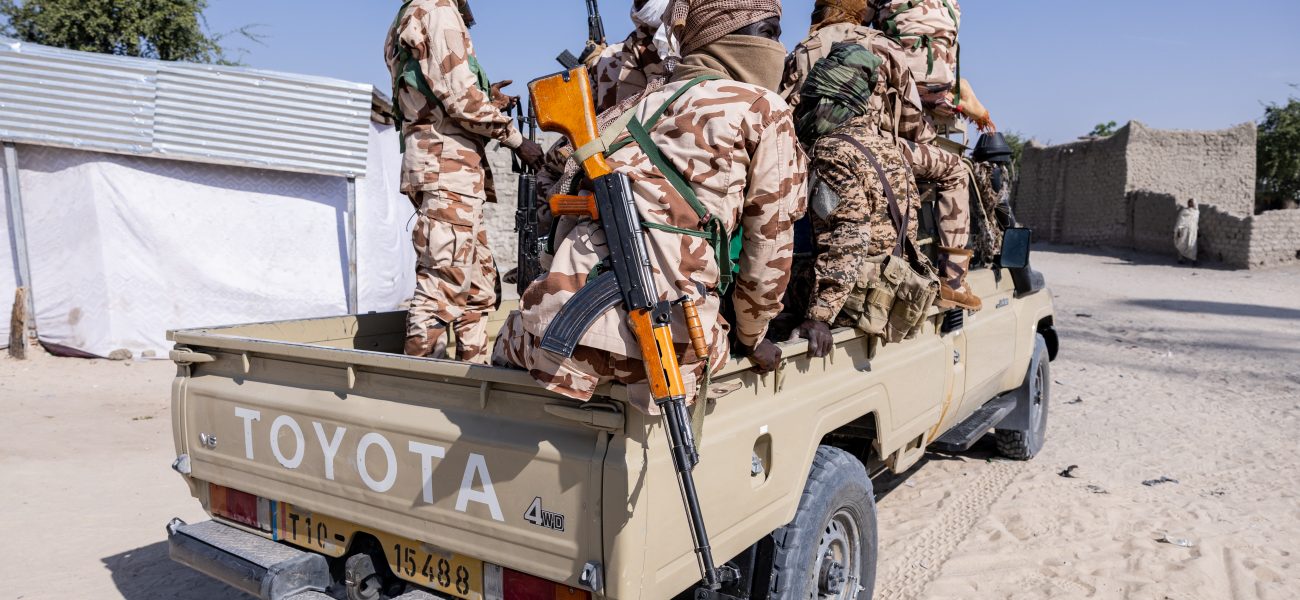
Behind the headlines of distant, more ‘newsworthy’ battlegrounds, the Lake Chad basin remains a crucible of human suffering and persistent violence. Chadian forces, a pivotal component of the Multinational Joint Task Force (MNJTF), found themselves ambushed in the Kaiga-Kindjiria area — a zone perpetually contested, perpetually dangerous. The brazenness of the attack suggests a group far from defeated, but rather one adapting, regrouping, and exploiting the seams of regional counter-terrorism efforts. We’re talking about a group that, since its 2009 uprising, has displaced approximately 2.2 million people in the Lake Chad basin, according to the UNHCR (United Nations High Commissioner for Refugees) latest figures, demonstrating its long-term destabilizing power.
But this isn’t just a numbers game; it’s a testament to the organizational resilience of an extremist ideology. “We’ve pushed them back, yes, but they aren’t gone,” declared General Brahim Djouma, Chad’s Minister of Defense, speaking from N’Djamena. “This was a painful day, but it only hardens our resolve. We won’t cede an inch of our territory to these nihilistic forces.” His sentiments, though defiant, carry the weary weight of years spent battling a hydra-headed insurgency across an impossible terrain — a terrain where state control often evaporates at the water’s edge. And for good reason, too; Boko Haram, or elements of it, thrive in the basin’s labyrinthine islands and marshlands, using them as launchpads for their brutal forays.
Still, the international community’s attention, much like the lake’s receding shoreline, seems to shrink year by year. This latest carnage serves as a stark, bloody reminder that the fight isn’t over; it’s simply less visible to those outside the immediate vicinity. “The focus shifts, doesn’t it?” opined Dr. Fatima Zahra, a regional security analyst at the Centre for Strategic African Studies in Dakar. “One day it’s the Sahel, the next it’s Somalia, then suddenly Ukraine’s unconventional military tactics dominate the discourse. But here, in Lake Chad, the grind continues. These groups, whether Boko Haram or ISWAP, are masters of exploiting governance gaps and international fatigue.” She’s not wrong; it’s a global pattern, this selective engagement with intractable conflicts.
And it’s a pattern not unfamiliar to nations across the Muslim world, from the porous borders of Afghanistan and Pakistan to the ongoing struggles in the Levant. The ideological underpinnings, the tactical adaptations, the exploitation of poverty and weak governance — these are grim parallels. Just as nations like Pakistan have grappled with indigenous extremist movements, sometimes facing international scrutiny for perceived inaction or complicity, so too do African states contend with the complex interplay of local grievances and transnational terror. The internal pressures on governments, the balancing act between security and civil liberties, the pervasive corruption that can create bureaucratic walls against legitimate grievances — it’s a shared strategic dilemma.
What This Means
This recent bloodshed isn’t merely a casualty count; it’s a critical barometer of the fragility gripping Chad and its neighbors. Politically, it complicates President Mahamat Déby Itno’s attempts to consolidate power and legitimize his transitional government. Every military setback erodes public confidence — and provides fodder for internal dissent. Economically, the instability continues to throttle development in a region already blighted by climate change and chronic underinvestment. Farmers can’t farm; traders can’t trade; children can’t attend schools without fear. This perpetual state of siege perpetuates a cycle of poverty and radicalization, creating fertile ground for the very extremists the military is trying to expunge.
it forces a reckoning on the effectiveness of regional security architecture. The MNJTF, though lauded for its efforts, remains an under-resourced — and often fragmented force. Its dependence on donor funding, coupled with the differing national interests of its member states (Chad, Niger, Nigeria, Cameroon, and Benin), means it’s often playing catch-up to an enemy that requires neither bureaucracy nor parliamentary approval. The true cost, then, isn’t just measured in lives lost, but in the slow, agonizing erosion of hope for millions in a region that truly deserves better.