
Twilight’s End in Roswell: Two Lives Erased, A Community Reels from Another Bullet-Riddled Night
POLICY WIRE — ROSWELL, N.M. — Sunday evenings usually fold themselves into a quiet routine in Roswell, New Mexico—a twilight descent into another work week. But that veneer shattered just as darkness...

POLICY WIRE — ROSWELL, N.M. — Sunday evenings usually fold themselves into a quiet routine in Roswell, New Mexico—a twilight descent into another work week. But that veneer shattered just as darkness fell on Alice Reischman Smith Park. That’s when a Chrysler 300, typically a chariot of youthful dreams, became an open casket. Inside, police found 19-year-old Joseph Romero — and 20-year-old Robbie Adams, both riddled with bullets. Two lives, gone. Just like that.
It’s a scene too familiar, played out in quiet corners across the country, a stark reminder that even in locales famous for UFOs and mystique, some terrestrial terrors hold a far tighter grip. The vehicle itself—pockmarked with fresh holes, a metal husk bearing witness—told its own grim story. Investigators, usually tight-lipped, have let slip only the bare bones: reports of shots fired near G Street and East Wells Street, then the discovery, then the awful quiet as patrol cars converged.
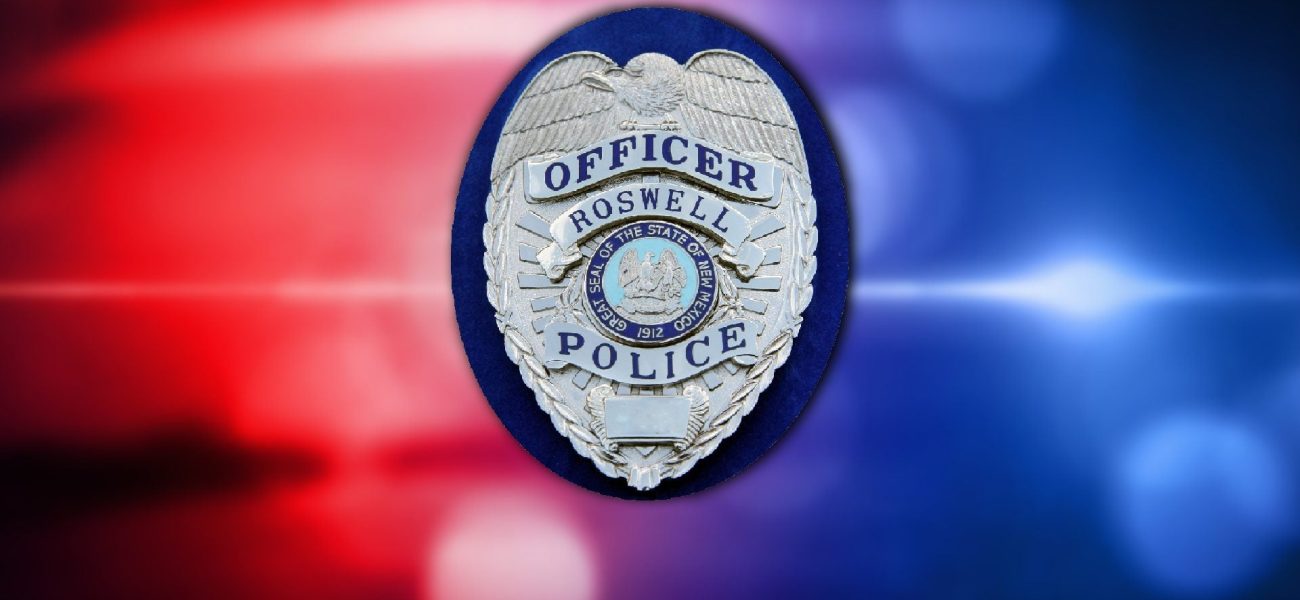
“We’re throwing every resource we have at this investigation,” Roswell Police Chief, a steely-eyed Captain Alex Trujillo, told Policy Wire in an exclusive (if brief) statement. “Someone out there knows something, — and we won’t rest until we find them. These young men had futures, families. They deserve justice.” His tone wasn’t just official; it was weary, laden with the weight of cases that pile up. It always feels personal, doesn’t it, when the victims are barely out of their teens?
And because these things aren’t just statistics—they’re gaping holes left in families—the ripple effect already washes over Roswell. Friends, schoolmates, neighbors—they’re all processing this sudden, brutal exit. The immediate shock often gives way to a deeper unease, a gnawing question about what’s become of community safety. Where do young men find themselves caught in such terminal crosshairs?
“This isn’t who we’re, or who we want to be,” lamented Reverend Beatrice Miller of Roswell’s First Community Church, her voice tight with grief during a vigil planning call. “We need to do more than just investigate; we need to nurture the soil so that this kind of violent seed can’t take root among our youth. Their lives were cut short; their potential, extinguished. It’s an indictment of us all.” Her words, raw and unvarnished, cut straight to the heart of a persistent social ailment.
Nationally, such incidents aren’t outliers. The Centers for Disease Control and Prevention (CDC) reported in 2022 that firearms were the leading cause of death for children and adolescents in the United States, a grim distinction no other high-income nation shares. That’s a statistic that ought to shake us all awake—but often, it just fades into the background noise until another local tragedy demands attention. This one hits closer to home for those living in the Chaves County seat.
This particular incident in Roswell, a town often considered far from the nation’s bustling metropolises, nevertheless serves as a jarring microcosm. It shows how local violence can mirror broader anxieties about public safety, socioeconomic stratification, and the fragility of peace—themes that echo from the American Southwest to distant lands. It’s the same basic human concern, whether you’re talking about neighborhood protection in New Mexico or efforts to build lasting stability through infrastructure investment, like when Germany invests $47 million in Pakistan’s green future. Both aim to shore up foundational needs for societies to thrive. One’s macro, one’s intensely micro.
What This Means
This double homicide isn’t just a police case; it’s a tremor shaking Roswell’s social foundation. Economically, repeated incidents of severe violence can subtly, but persistently, deter new businesses or families considering a move. It shifts perceptions, impacts civic pride, and often redirects municipal resources toward policing and away from crucial social programs that might, ironically, prevent such crimes in the first place. You can’t build a flourishing community if people don’t feel safe letting their kids play near the local park.
Politically, incidents like this often become fodder for election cycles. We’ll see candidates promising tougher crime measures, increased police presence, or community outreach programs. But solving the underlying issues—access to education, economic opportunity, mental health resources—that’s a much harder, slower game. And it’s a game politicians don’t always win. Or sometimes, don’t even properly play. The quick fixes usually aren’t fixed at all; they just move the problem down the street or into next year’s headlines. But because this touches raw nerves, expect community groups to demand action. Don’t be surprised if parents, perhaps fearing for their own kids, start organizing neighborhood watches or advocating for better after-school options. The alternative, a pervasive sense of apathy, would truly be a greater tragedy than the crimes themselves.
It’s not just about what happened Sunday night; it’s about what it signifies for the days to come. And it suggests that for Roswell, like many American towns, the battle for its soul continues, one incident at a time. Anyone with information on the Sunday night shootings, they’re told, should call the Roswell Police Department at 575-624-6770. You never know whose quiet tip might break a case.