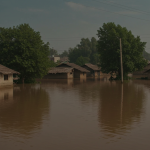



Khyber Pakhtunkhwa Floods Expose PTI’s Governance Failures as State Steps In
Monsoon rains have swept across Pakistan this summer and left behind a trail of devastation. Over 800 lives were lost, with thousands displaced as rivers broke their banks and homes collapsed. Even...

Monsoon rains have swept across Pakistan this summer and left behind a trail of devastation. Over 800 lives were lost, with thousands displaced as rivers broke their banks and homes collapsed. Even as the humanitarian crisis deepens further, there is one reality that immovably asserts itself amidst all else: The Pakistani state, together with its military and civil institutions, has applied itself rapidly towards preventing further loss of life. From rescue operations that fall within the direct control of the Prime Minister’s Office to timely alerts from the National Disaster Management Authority (NDMA), this speaks volumes for urgency and clarity on the part of state machinery. It is speaking forth again that there is long experience in disaster relief, an operation bringing forward evacuations but also supplies by airlifting the country’s major infrastructure back online. It is here that institutional strength rather than divisive politics determines how well a country withstands its climate catastrophe.
The United Nations’ action to disburse $600,000 in emergency funds goes a long way to reflect how the international community has rated Pakistan as one of the countries highly exposed to climate change. Even with large global assistance presently channeling into the country, more work rests on the shoulders of several national institutions. It has apparently observed that the Army helicopters rush to different flood-stricken areas, its engineering corps running repairs for damaged roads, and medical teams that were treating the injured to reveal a level of such readiness in operation that has always been a hallmark role in times of such national emergencies. All this stands in stark contrast while KP’s governance sits paralyzed by political wrangling.
In Khyber Pakhtunkhwa (KP), the province that has recorded the highest deaths, with 408 people having died since mid-August. Here was, years of populist politics under Imran Khan and PTI who preferred a confrontation with Islamabad rather than invest in disaster preparedness that is haunting now. Funds should have been used for embankments, modernizing drainage, and rescue services, but simple political rallies consume them. The victim narrative consumes them. The results are visible today, a rain-battered province where local governance does not have the capacity to respond, leaving gaps that had to be filled by federal government action and military intervention.
The decision of Prime Minister Shehbaz Sharif to immediately release four billion rupees for emergency relief, in addition to the funding being received from the United Nations, proves that at least this is a coordinated effort between the national-level civilian and military institutions. Large-scale evacuations taking place along the Sutlej River, restoration of power in KP’s flood-hit districts, and continuous weather alerts all indicate a system trying to operate ahead of an escalating crisis. However, the lessons from KP are clear: political stability and responsible governance are essential when climate disasters occur.
Pakistan is considered to be among the most climate-vulnerable countries although it contributes less than one percent to total global greenhouse gas emissions. Rainfall and a heatwave indicate new normal extremes in the coming years. This summer’s response, led by the state with active military involvement, underscores a coordinated national effort. However, As KP’s politics falter, it is the common people who will suffer. What will carry Pakistan through future storms are strong institutions, not empty slogans.
Author