


Kansas City’s Public Humiliation: When Sports Defeat Becomes a Civic Crisis
POLICY WIRE — Chicago, IL — The civic consciousness of Kansas City, Missouri, experienced a particular kind of bruising Tuesday evening. It wasn’t merely a baseball game lost, mind you; it was...

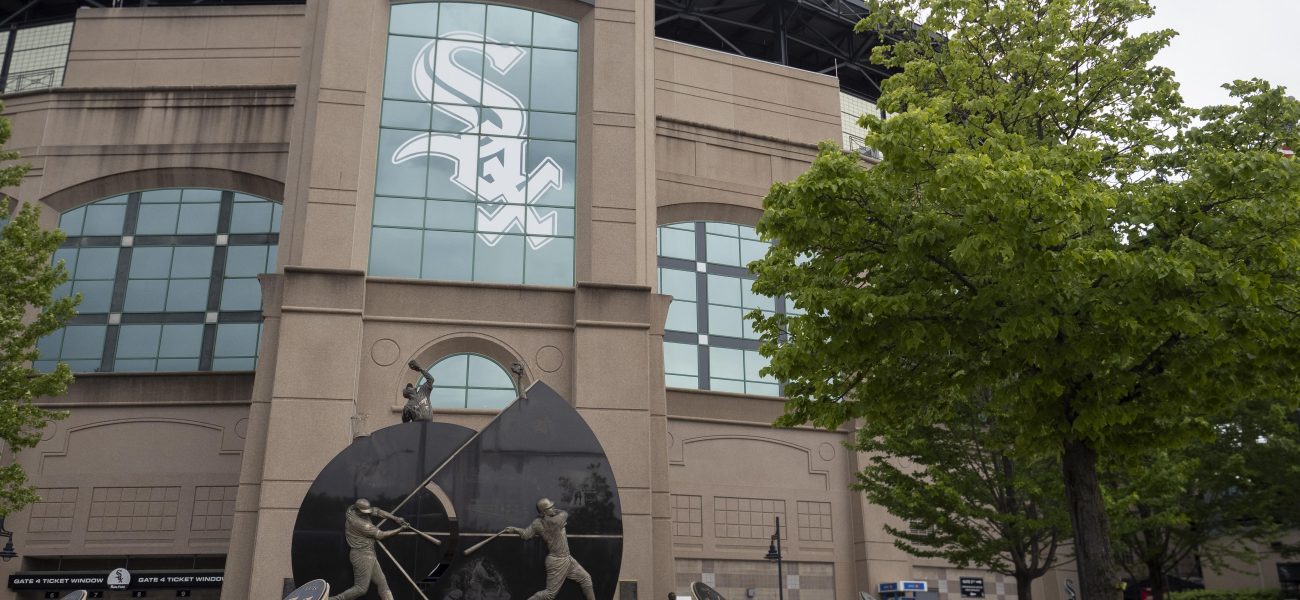
POLICY WIRE — Chicago, IL — The civic consciousness of Kansas City, Missouri, experienced a particular kind of bruising Tuesday evening. It wasn’t merely a baseball game lost, mind you; it was a public evisceration, a prime-time shredding of morale played out across national scoreboards. For seasoned observers of metropolitan identity, such a lopsided affair — the Royals staring down a 17-1 deficit against the Chicago White Sox in the bottom of the sixth — isn’t just about athletic performance. It’s about optics. It’s about reputation. It’s a very public referendum on something more substantial than balls — and strikes.
Because, really, what does a drubbing like that say about an organization? Or, for that matter, a city? The Kansas City Royals, already reeling from an embarrassing 13-2 defeat just one night prior, barely escaped a no-hitter then, only to suffer an existential collapse today. David Sandlin’s disastrous walk of the bases loaded, directly preceding a ground ball that inexplicably scored their singular, lonely run after a 10-run White Sox third inning, felt less like pitching and more like performance art — specifically, a tragedy.
It’s moments like these, one long-time Capitol Hill operative told us privately (and perhaps too candidly), when a town’s pride really hits the mat. He didn’t elaborate, but the sentiment hung heavy: the cost of mediocrity, it seems, isn’t just felt in attendance figures. Kansas City Mayor Quinton Lucas, who has often championed local sports as a community unifier, didn’t mince words in a press conference called Wednesday morning. “Our sports teams represent the spirit of this city,” he stated, his jaw tight. “When they falter this dramatically, it isn’t just a disappointment; it’s a wound. We expect accountability, — and frankly, a clear strategy for preventing this kind of… institutional embarrassment.”
The sentiment from team ownership, meanwhile, felt like a study in calculated understatement. John Sherman, the Royals’ controlling owner, offered a carefully worded email statement later in the day: “We understand our fans’ frustrations. We share them. Our commitment to excellence remains unwavering, and we’re evaluating all aspects of our operations to ensure we meet the standards our community deserves.” Pretty boilerplate, you think? I mean, who wouldn’t be frustrated watching *that*?
And that’s the rub, isn’t it? Because in an era where professional sports franchises command staggering public subsidies and hold significant sway in urban development—sometimes even dictating tax policy—such utter incompetence on the field demands a closer look off it. You can’t just chalk it up to a bad night when bad nights become an expectation. An analysis by the League Finance Bureau last year suggested that teams consistently performing below expectations for three or more seasons can see up to a 15% decline in local economic multipliers, due to diminished fan engagement and reduced ancillary spending. It’s a stark reminder that these aren’t just games; they’re often civic investments. They impact everything from local business foot traffic around stadiums to youth sports enthusiasm and even the often-overlooked boost to municipal identity and tourist perception. Imagine, if you will, the sheer willpower it takes to find solace in Steven Cruz striking out three in 1.1 scoreless innings after that — or Carter Jensen extending his hit streak to seventeen games. Those are small mercies in a veritable wasteland. And good for Kendry Chourio on his first win with the River Bandits, but that’s barely a footnote.
📄 POLICY WIRE WHITEPAPER PUBLISHED: PAKISTAN'S NATIONAL SECURITY POLICY PRIORITIES
👉 READ BY CLICKING HEREWhat This Means
The ripple effects of such a public collapse extend beyond the locker room. Politically, a perennially struggling sports franchise can drain public goodwill, complicating requests for bond issues, stadium renovations, or any civic project tied even tangentially to the team’s identity. Economically, while one game doesn’t make or break a market, a pattern of perceived mismanagement and poor performance erodes fan loyalty, impacting ticket sales, merchandise, and even broadcast revenues. Just ask anyone who follows the financial struggles sometimes tied to consistent underperformance in franchises that once soared. They’ve seen it firsthand, as has New York with New York’s Sporting Malaise: A Case Study in Organizational Drift and Lost Momentum. There’s a certain societal expectation for professional outfits, whether they’re sports teams or public services. Failing spectacularly invites scrutiny that cuts much deeper than the score.
And let’s consider the perception from abroad, shall we? In places like Pakistan or elsewhere across South Asia, where sporting success often mirrors national pride and a burgeoning interest in global athletic endeavors—football leagues, cricket, increasingly American basketball—such a public display of disarray by a Major League Baseball team might just reinforce a peculiar notion: that even in the world’s most robust sports economies, fundamental organizational competence can just vanish into thin air. There’s a parallel, in fact, to be drawn from their own struggles — and successes. They see a system that, for all its resources, can still produce astonishing failure. The investment in youth sports, the strategic allocation of resources for athlete development in nations eager to make their mark on the global stage, makes these dramatic losses for well-funded U.S. franchises look less like a statistical anomaly — and more like, well, a warning. Because when you’ve got resources and still lose 17-1, people begin to wonder what, exactly, those resources are for. It’s a sobering thought, particularly for any region — developed or developing — hoping to leverage sporting achievement for broader socio-economic goals.