


Asbestos, Ashes, and Americana: Route 66 Icon’s Quiet Demise in Albuquerque
POLICY WIRE — Albuquerque, N.M. — In a landscape increasingly defined by transient fads and ephemeral digital existences, the demise of a century-old brick-and-mortar institution often unfolds not...

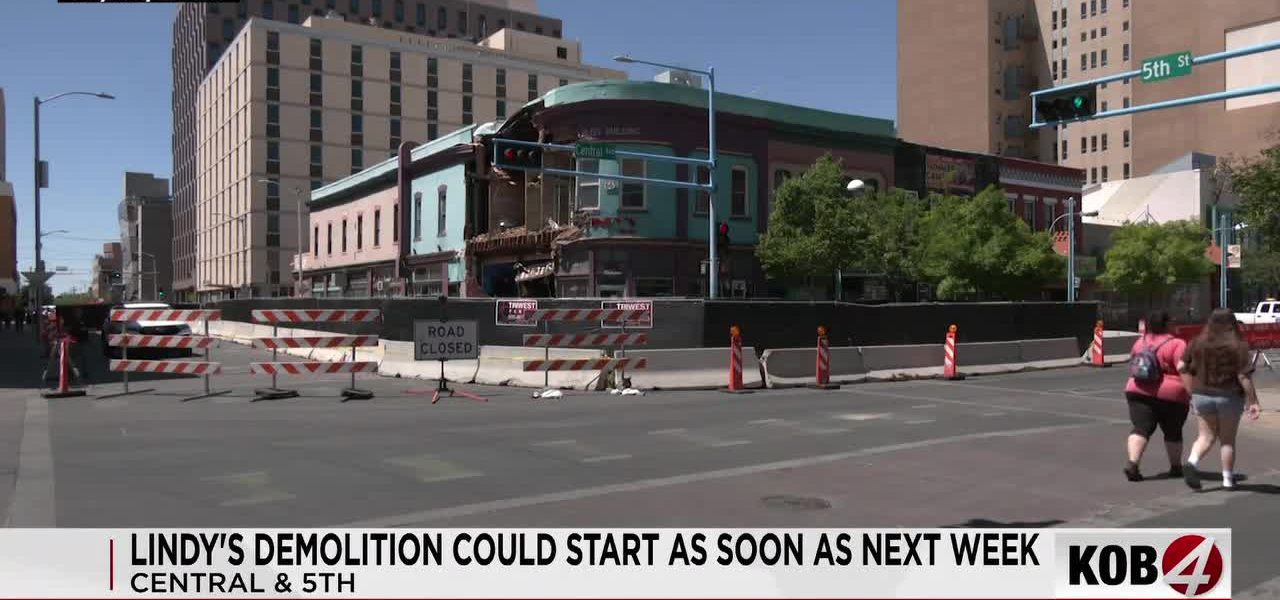
POLICY WIRE — Albuquerque, N.M. — In a landscape increasingly defined by transient fads and ephemeral digital existences, the demise of a century-old brick-and-mortar institution often unfolds not with a bang, but with the quiet whimper of a building inspector’s report. So it goes for the Bliss Building, an unassuming structure in downtown Albuquerque that housed the fabled Lindy’s Diner, now teetering on the brink of an inevitable wrecking ball. It’s less a demolition, more an archaeological dig in reverse, erasing another layer of history from the American urban fabric.
For decades, before the interstate highways streamlined America into homogeneity, Route 66 wasn’t just a road; it was the main artery of American mythology, a ribbon of asphalt weaving together disparate lives and local legends. And the Bliss Building, with Lindy’s Diner tucked comfortably within its seasoned walls, had become a Route 66 landmark in downtown Albuquerque. More than just a place to grab a chili burger, it was a touchstone, a collective memory for travelers — and locals alike. That memory, however, proved insufficient insulation against the brutal realities of structural decay and regulatory red tape. [QUOTE_PLACEHOLDER]
The writing, they say, has been on the wall for some time. Or, in this case, on the facade, after The building partially collapsed in April. An alarming event, certainly, but hardly surprising in a downtown core grappling with the twin specters of aging infrastructure and modernization pressures. Following this sudden failure, the city later decided it was not reasonable to try to save it. And so, the bureaucratic machinery clunked into gear, not for rescue, but for formal erasure.
But the final curtain call for this relic of Americana isn’t simply a matter of structural unsoundness. There’s another, more insidious ghost in the machine: asbestos. This invisible health hazard — a ubiquitous component of early 20th-century construction — necessitates a painstaking, regulated removal process before any true demolition can proceed. A spokesperson for Lindy’s said they’re waiting for the city to give the all clear on asbestos removal before crews start tearing the building down. They expect demolition to begin Monday, which feels almost poetic, a final, unhurried bow for a building that had stood for more than 100 years. This agonizing waiting game for municipal clearance highlights a pervasive challenge for cities nationwide: how do you balance preserving a beloved past with mitigating genuine, present-day dangers?
Consider the broader context, the often-painful transformation of urban centers. For every gleaming new development, there’s usually an old character property lost. It’s a trade-off that plays out across continents, often with far less transparency. In Pakistan, for instance, rapid urbanization and economic incentives frequently trump heritage concerns, especially for older colonial or traditional structures in burgeoning cities like Lahore or Karachi. Buildings of similar vintage to the Bliss Building, which may hold significant cultural or historical value, often meet a far more abrupt and unregulated end, often flattened for commercial high-rises with minimal public outcry or official oversight. This difference in approach — from Albuquerque’s agonizingly slow, regulation-bound process to the often swift, commercially driven demolitions in parts of South Asia — paints a stark picture of varied urban policy priorities and the role of sentiment versus progress.
And let’s be clear, this isn’t merely about nostalgia for a diner. It’s about the incremental loss of identity. Each historic building razed diminishes the unique character of a place. It’s a trend echoed in countless cities grappling with renewal. For example, a 2021 study by the National Trust for Historic Preservation revealed that rehabilitating older, smaller buildings generates 33% more jobs and boosts local economic activity more than new construction projects of equivalent scale. Yet, the ease of wholesale replacement often wins out, spurred by development pressures and — ironically — the prohibitive costs and complications associated with preserving and updating older structures, especially when hazardous materials like asbestos enter the equation.
Because ultimately, these aren’t just buildings; they’re archives. They hold the physical manifestation of generations, telling stories that contemporary glass and steel structures simply can’t. They’re anchors in an increasingly unmoored world, silent witnesses to countless human dramas. But for the Bliss Building, and with it, a tangible piece of Route 66 lore, that watch is drawing to an unceremonious, dusty close.
📄 POLICY WIRE WHITEPAPER PUBLISHED: PAKISTAN'S NATIONAL SECURITY POLICY PRIORITIES
👉 READ BY CLICKING HEREWhat This Means
The impending demolition of the Bliss Building, though a localized event, reverberates with broader policy implications for urban planning, heritage preservation, and economic development in legacy cities. Economically, while initial demolition and new construction might appear to stimulate activity, the longer-term economic and cultural vitality lost when historical assets vanish is harder to quantify but no less real. For Albuquerque, shedding another landmark signals a surrender to the economic pressures of upkeep and the health liabilities of historical construction, rather than a proactive investment in heritage-led urban regeneration.
Politically, the process itself, hinged on city clearance on asbestos removal, exposes the laborious, often reactive, nature of municipal governance when faced with structural decay. It highlights a common friction: regulations designed for safety (like asbestos abatement) can inadvertently become barriers to both rapid renewal and the very preservation they might, in other contexts, be intended to support. The decision that it was not reasonable to try to save it underscores a policy calculus where the cost-benefit analysis often tips away from preservation once significant structural compromise and hazardous materials are involved.
the silence around such a significant loss—despite the building’s standing for more than 100 years as a landmark—suggests a political landscape where urban decay of older structures has become an accepted, if regrettable, casualty of municipal budgets and development imperatives. For other cities with a rich but aging architectural heritage, this case serves as a stark reminder: without clear, well-funded policies for proactive maintenance and strategic heritage investment, the narrative will inevitably shift from preserving the past to managing its quiet, dust-filled disappearance. The path ahead requires policymakers to wrestle with tough choices, like whether to subsidize the painstaking work of asbestos removal and structural rehabilitation, or simply, to clear the lot and begin anew. One wonders which approach offers true long-term value. One truly does. (Or perhaps, you don’t really).