


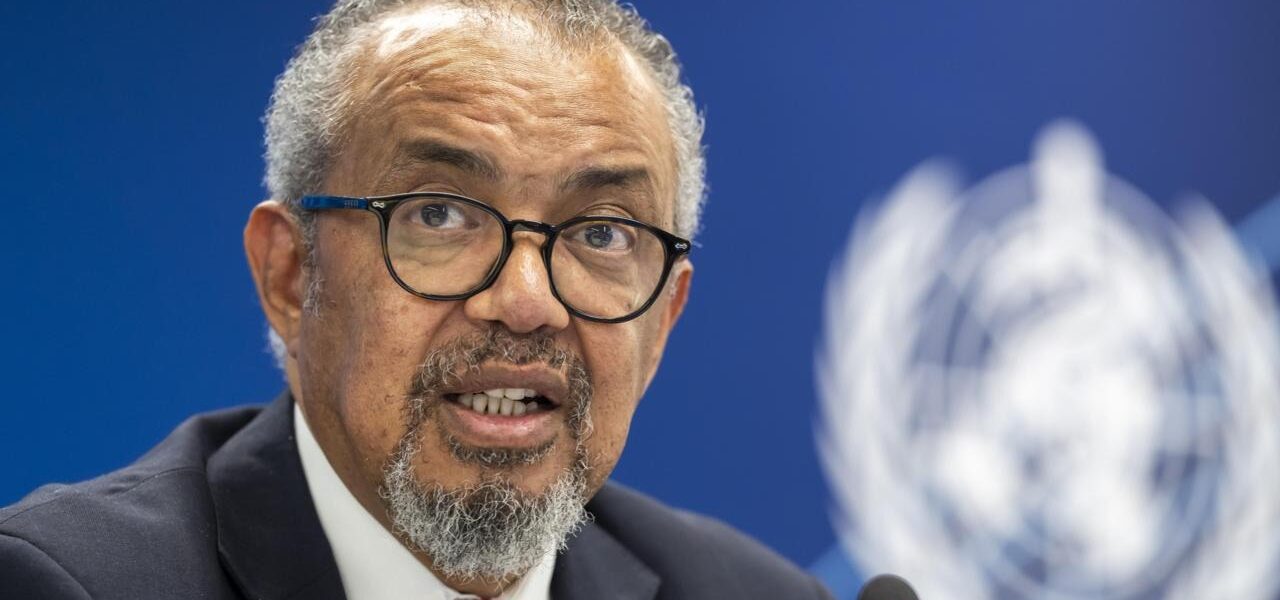
WHO Chief Warns: Current Ebola Outbreak Could Become Deadliest Ever
POLICY WIRE — Geneva, Switzerland — The World Health Organization (WHO) has issued a stark warning that the current Ebola outbreak, declared on May 15, is on track to become the deadliest in history....

POLICY WIRE — Geneva, Switzerland — The World Health Organization (WHO) has issued a stark warning that the current Ebola outbreak, declared on May 15, is on track to become the deadliest in history. The outbreak has already claimed more than 2,000 lives, with thousands of additional reported cases.
“The situation is extremely grave,” said WHO Director-General Dr. Tedros Adhanom Ghebreyesus. “We are facing an unprecedented challenge with this outbreak, and it is imperative that the international community mobilizes all available resources to contain it.”
The outbreak, centered in several West African countries, has overwhelmed local health systems and stretched international aid to its limits. Health officials are particularly concerned about the virus’s rapid spread in urban areas, where population density complicates containment efforts.
Efforts to combat the outbreak include the deployment of medical teams, the establishment of treatment centers, and the distribution of essential supplies. Vaccine trials are also underway, though widespread vaccination is still months away.
“We need an all-hands-on-deck approach,” Dr. Ghebreyesus continued. “This is not just a health crisis; it is a humanitarian emergency that requires a coordinated global response.”
International donors have pledged financial support, but challenges remain in ensuring that aid reaches those most in need. Logistics, security concerns, and the sheer scale of the outbreak pose significant obstacles.
Health experts are calling for increased transparency and communication from affected governments to ensure that accurate information is disseminated to the public. Misinformation and fear have exacerbated the crisis, leading to stigmatization of affected communities and hindering efforts to control the spread of the virus.
📄 POLICY WIRE WHITEPAPER PUBLISHED: PAKISTAN’S NATIONAL SECURITY POLICY PRIORITIES
“We must work together to build trust and ensure that communities are fully engaged in the response efforts,” said Dr. Ghebreyesus. “Only through collaboration and solidarity can we hope to bring this outbreak under control.”
As the death toll continues to rise, the global community is urged to remain vigilant and supportive. The lessons learned from this outbreak will be crucial in preparing for future public health emergencies.
Reporting by Policy-Wire (PW)