


Jury Deliberates Fate of Lindsay Clancy in Gruesome Child Murders Case
POLICY WIRE — Plymouth, Massachusetts — The Lindsay Clancy murder trial has concluded, with the case now in the hands of a Massachusetts jury following 22 days of testimony at Plymouth Superior...

POLICY WIRE — Plymouth, Massachusetts — The Lindsay Clancy murder trial has concluded, with the case now in the hands of a Massachusetts jury following 22 days of testimony at Plymouth Superior Court.
Lindsay Clancy, 36, has denied the charge of first-degree murder in the deaths of her children: Cora, 5, Dawson, 3, and Callan, 8 months. She admits to the killings, which occurred at their Duxbury home on January 24, 2023. Following the act, she attempted suicide by cutting her throat and jumping from a window, resulting in paralysis.
The defense argues that Clancy was overmedicated and suffering from postpartum psychosis, absolving her of criminal responsibility. Conversely, prosecutors contend that she meticulously planned the murders and feigned her suicide attempt.
The trial has extensively examined Lindsay Clancy’s mental health and the medical treatment she received. Key points from the trial include:
Patrick Clancy’s testimony over two days detailed his ex-wife’s mental health challenges. He recounted her apparent well-being hours before the tragedy, despite ongoing issues.
On the second day, Patrick Clancy described a routine errand that turned horrific. He found his home eerily silent upon return, with blood everywhere and an open window. Outside, he discovered Lindsay Clancy with severe self-inflicted wounds, who claimed a suicide attempt. She directed him to the basement, where he found their children.
First responders testified to the chaotic scene, with Officer Stephen Hall recalling Patrick Clancy’s anguished scream upon discovering the children’s bodies.
Lindsay Clancy’s diary entries revealed her struggles with insomnia, anxiety, and depression, as well as her desperation for a mental break from childcare.
Medical professionals who treated Clancy testified about her condition and treatment, with some expressing concerns over her medication regimen.
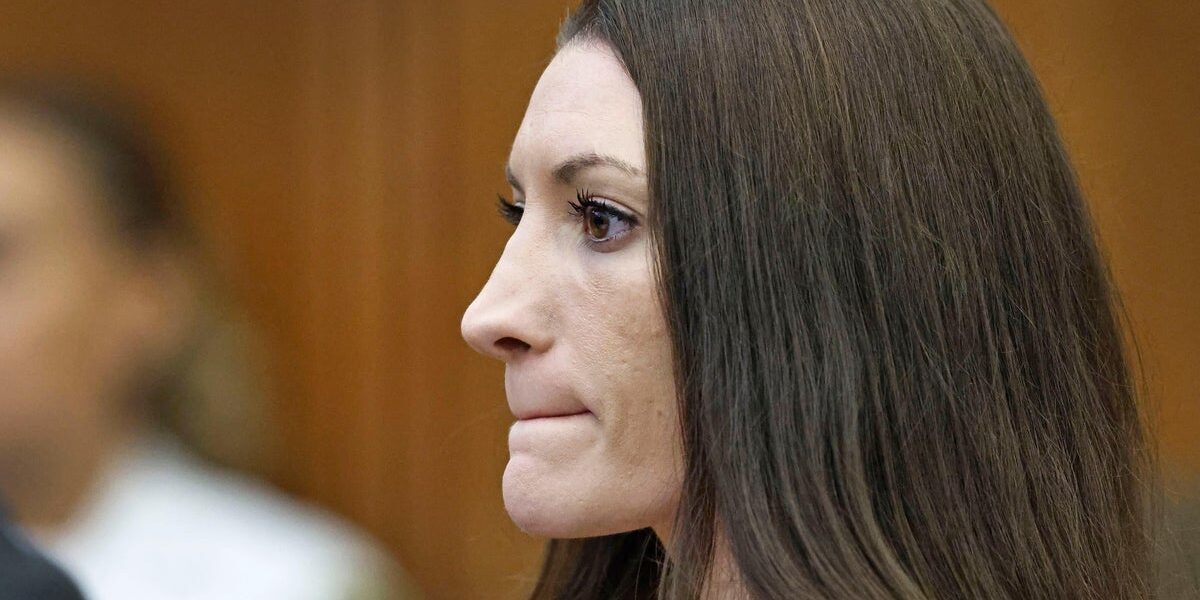
Clancy exhibited emotional distress throughout the trial, particularly during the playback of the 911 call and the presentation of autopsy photos.
Witnesses, including family members and former colleagues, provided insights into Clancy’s behavior and mental state leading up to the incident.
Expert witnesses presented conflicting views on Clancy’s mental state at the time of the murders, with some diagnosing her as psychotic and others asserting her capacity for criminal responsibility.
The trial saw a motion for mistrial due to religious testimony, which the judge deemed irrelevant and instructed the jury to disregard.
Closing arguments from both sides emphasized different aspects of the case, with the defense highlighting Clancy’s cries for help and the prosecution focusing on her actions before the murders.
Reporting by Policy-Wire (PW)