


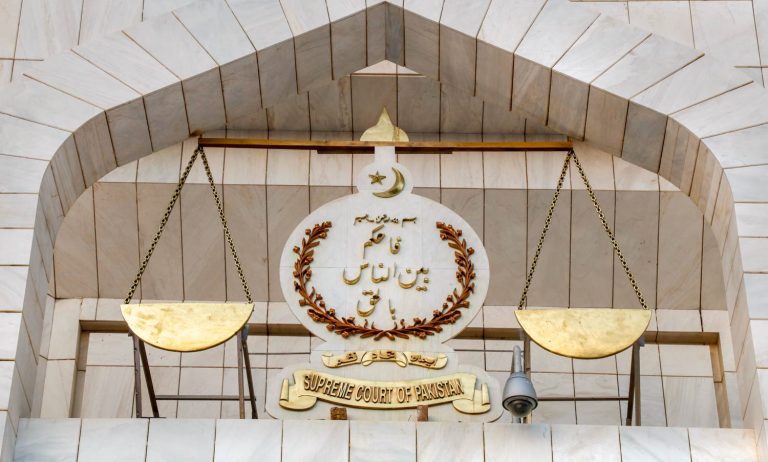
Judicial Reforms in Pakistan: A Step Toward Fairness and Accountability
An overview of the 26th Constitutional Amendment and its impact on Pakistan's judicial system.

Pakistan’s legal system has faced significant challenges, including inefficiencies, political influence, and a staggering backlog of cases. With around 60,000 unresolved cases in the Supreme Court, the frustration for ordinary citizens is palpable. Many legal issues, especially those related to basic rights and civil matters, can linger for years without resolution. In this context, the 26th Constitutional Amendment Bill of 2024 and its accompanying judicial reforms represent a crucial turning point for Pakistan’s judiciary.
Addressing Political Distractions
The Supreme Court’s increasing focus on politically charged cases has diverted attention from its primary role: delivering justice in civil, criminal, and administrative matters. This has resulted in bottlenecks that delay ordinary cases and erode public trust in the judiciary. The 26th Amendment aims to address this by introducing a dedicated Constitutional Court to handle constitutional and political cases. This shift would allow the Supreme Court to focus on a broader range of legal matters and significantly reduce its backlog.
Countries like Germany and South Africa have successfully implemented similar courts. By specializing in constitutional disputes, these courts enable their supreme courts to concentrate on other legal matters. In Pakistan, the establishment of a Constitutional Court could enhance case management and provide timely justice, leading to fewer delays for ordinary cases while applying more expertise to politically sensitive issues.
Key Features of the Amendment
A central element of the amendment is the decentralization of power within the judiciary. By granting the Chief Justice the authority to appoint members to the Practice and Procedure Committee, the reforms seek to reduce the concentration of power in any one office. This change promotes transparency and minimizes internal power struggles, fostering a healthier system of checks and balances.
Merit-Based Judicial Appointments
The amendment also tackles the opaque and politically influenced process for appointing superior court judges. Changes to Article 175A promote merit-based selections, ensuring judges are chosen for their qualifications and integrity rather than political connections. By restoring confidence in the appointment process, these reforms aim to rebuild public trust in the judiciary.
Enhancing Accountability and Integrity
The reform package addresses judicial misconduct through amendments to Article 209, enhancing the Supreme Judicial Council’s ability to handle ethical violations by judges. These changes bolster accountability while protecting judges from politically motivated accusations. Clearer rules on misconduct are essential for maintaining judicial integrity and upholding the rule of law.
Increasing Transparency
Another significant improvement is in the realm of transparency. The reforms mandate public access to court transcripts and establish a first-come, first-served system for scheduling cases. While this change may seem minor, it addresses a critical issue in Pakistan’s legal system—public distrust. When the judicial process operates behind closed doors, citizens lose faith in its fairness. By making court proceedings more open, the reforms ensure that justice is not only done but also perceived to be done.
Addressing Complex Legal Challenges
The reforms also tackle the challenges of prosecuting complex terrorism cases, which have burdened Pakistan’s legal system. The amendments recognize the legal hurdles involved and provide a framework that balances national security with the need for fair trials. This balanced approach is crucial, especially in a country where terrorism-related cases constitute a significant portion of the legal workload.
📄 POLICY WIRE WHITEPAPER PUBLISHED: PAKISTAN'S NATIONAL SECURITY POLICY PRIORITIES
👉 READ BY CLICKING HEREEfficient Allocation of Judicial Resources
Another key provision allows for the transfer of judges among High Courts, as amended in Article 200. This flexibility ensures judicial resources are allocated efficiently. Some High Courts, particularly in urban areas, are overwhelmed with cases, while others may have lighter workloads. The ability to transfer judges helps balance this disparity, ensuring all regions receive adequate judicial support.
Commitment to Judicial Independence
At the heart of these reforms is a commitment to strengthening judicial independence, which is vital for Pakistan’s democracy. A fair and impartial judicial system is essential for safeguarding individual rights and holding the government accountable. By reducing political interference and making judicial appointments more transparent, these reforms enable judges to make decisions based solely on legal reasoning without external pressure.
This independence is crucial for restoring public trust. If citizens believe the judiciary acts independently, they are more likely to respect and engage with the legal system. The 26th Constitutional Amendment represents a necessary step toward fostering this trust, which has been eroded over time due to perceptions of bias and inefficiency within the courts.
Wider Implications for Stability
A trustworthy judicial system has broader implications beyond justice. It contributes to economic stability by providing legal certainty, encouraging both domestic and foreign investments. Investors are more likely to operate in a country where legal disputes are resolved fairly and efficiently, and where the rule of law is upheld without bias.
Conclusion
In summary, the 26th Constitutional Amendment and the broader judicial reforms it encompasses are essential for addressing Pakistan’s long-standing judicial inefficiencies. By establishing a Constitutional Court, decentralizing power, enhancing transparency, and ensuring a merit-based selection process for judges, these reforms aim to rebuild public trust in the judiciary. For Pakistan to progress as a democratic nation, these changes are critical, marking a new chapter in the country’s legal landscape.
Author