


Oklahoma City Showdown: Longhorn-Red Raider Rivalry Simmers Beyond the Diamond
POLICY WIRE — Oklahoma City, USA — The heart of America’s southern plains, typically a canvas for endless horizons, instead hosted a microcosm of statewide—hell, perhaps even...

POLICY WIRE — Oklahoma City, USA — The heart of America’s southern plains, typically a canvas for endless horizons, instead hosted a microcosm of statewide—hell, perhaps even geopolitical—brinkmanship this week. You see, it isn’t just a softball game, is it? Not when the banners of Texas — and Texas Tech unfurl across the dugout. It’s about bragging rights, the soul of two vastly different, yet equally proud, academic behemoths, and maybe a dash of why we even bother with these ludicrously high-stakes collegiate athletics.
Oklahoma City, it turns out, is simply the latest, rather arbitrary, battleground. These clashes, whether it’s gridiron or, in this particular instance, a diamond, have become rituals. And they matter, profoundly, to alumni — and fans scattered across the globe. You can find pockets of expats, from Karachi to Kuala Lumpur, tuning in, nursing their allegiances—sometimes to sports that aren’t even their traditional national pastimes. This shared digital global piazza amplifies rivalries that, frankly, didn’t always hold such widespread sway.
The original content, initially focused on a softball box score, misses this deeper pulse. It merely hints at the sheer narrative force: [QUOTE_PLACEHOLDER]. No, they’ve been going at it like two scorpions in a bottle, — and the fervor? It’s an economic engine in its own right, something you don’t really grasp just from player stats.
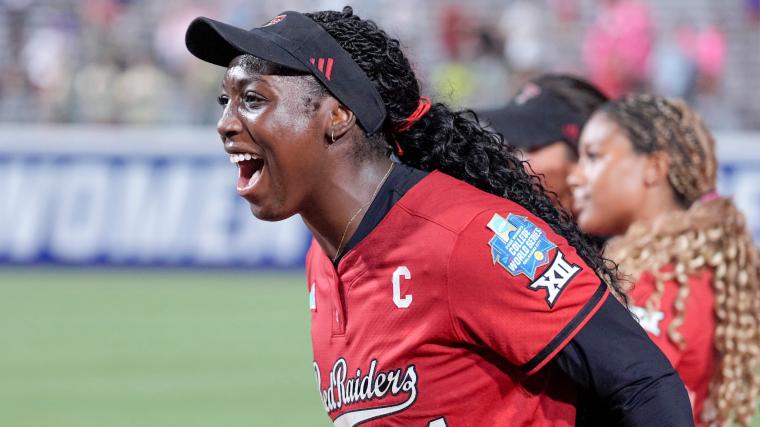
But let’s stick to the script for a minute. The lead up to this year’s Women’s College World Series brought us back to a battle of Texas in Oklahoma City. Imagine that. Two titans from the Lone Star State, throwing down again. Texas vs. Texas Tech: Take II will be just as thrilling as the original. Policy Wire doesn’t typically traffic in balls and strikes, but even we recognize the gravity of what Texas has done; they’ve been tested this postseason with six must-win elimination games; but they’ve created new life. Think about the mental fortitude there. Tech’s journey? No picnic either. They’ve played four elimination games — and had to overcome one of worst deficits in WCWS history.
This isn’t just about wins — and losses for these players, though. It’s about institutional prestige, recruiting pull, and, increasingly, the bottom line. Each dramatic comeback, every nail-biting finish, fuels the machine. That machine, by the way, pumps billions into collegiate sports. And because it’s so tightly woven into regional identity, these battles carry disproportionate emotional weight.
It’s Wednesday at 8 p.m. ET, ESPN. You could feel the tension — palpable, almost. For the record, Texas Tech arrived with a stunning 60-8 season record, a testament to consistency, compared to Texas’s not-too-shabby 50-12 (Source: The Sporting News). That sort of disparity can often be misleading, especially when an old rival stares you down from across the field. Statistics don’t always capture the heart of a grudge match, do they?
📄 POLICY WIRE WHITEPAPER PUBLISHED: PAKISTAN'S NATIONAL SECURITY POLICY PRIORITIES
👉 READ BY CLICKING HEREWhat Texas Tech vs. Texas Women’s College World Series proves about NIL and winning is a conversation for another day—or maybe not. Maybe it’s precisely what this whole spectacle is actually about, beneath the surface. It’s not just about collegiate pride anymore; it’s about commercial viability and brand extension, things that even Pakistan’s Super League (PSL) cricket franchises grapple with, albeit on a different scale and with different stakes. The monetization of identity and loyalty, it seems, is a global phenomenon, whether it’s through multi-million dollar television rights for American college softball or the passionate, fervent following of a national cricket team against its historical adversary. Both involve deep, generational bonds, cleverly leveraged by broadcasters — and brands.
What This Means
This particular sporting event, ostensibly about a mere college softball game, functions as a powerful socio-economic barometer. First off, it demonstrates the enduring and intensifying pull of regional rivalries in American sports, transforming athletic contests into fierce declarations of identity. It’s not simply about winning; it’s about establishing institutional dominance within a hyper-competitive state like Texas, which translates directly into recruitment advantage for both athletes and high-performing academic prospects. These aren’t trivial gains; they’ve long-term impacts on a university’s brand, alumni engagement, and ultimately, its financial health. And don’t think for a second these schools aren’t playing a calculated game, where every victory contributes to their narrative.
the high visibility of events like the Women’s College World Series – aired nationally on ESPN – speaks to the maturation of women’s sports into a legitimate economic force. It’s a growing market, no longer a niche, — and schools are recognizing the ROI. Because, let’s be honest, where the eyeballs go, advertising dollars follow. It also throws a stark spotlight on the evolving landscape of Name, Image, and Likeness (NIL) deals, showcasing how athlete-branding is becoming deeply ingrained even in collegiate-level play. That Texas Tech (60-8) or Texas (50-12) might field a team so successful, implies significant investment, both overt and implied, in their athletic programs. The players, too, are increasingly seen not just as student-athletes, but as marketable entities, embodying a shift that resonates across the broader sporting world—from America to the burgeoning professional leagues across South Asia and beyond, where players also command attention (and compensation) far beyond their game-day performance.
The intensity here, mirroring fierce international competitions like the cricketing rivalry between Pakistan and India, shows how sports continue to serve as a socially acceptable — and deeply profitable — outlet for intense communal competition. The economics of college sports are undergoing a brutal evolution, where a single marquee game can swing public perception, influence alumni donations, and justify monumental budgets. It’s not just about championships; it’s about shaping the entire brand identity for years to come. In essence, it’s a perpetual turf war, playing out with balls, bats, and billions of dollars at stake, with implications stretching far beyond the foul lines.