


NYC Rent Freeze: A Million Apartments, a Million Questions
POLICY WIRE — New York City, USA — Imagine New York, but somehow less frantic about rent — for a whole lot of folks, anyway. A seismic tremor just ran through the city’s...

POLICY WIRE — New York City, USA — Imagine New York, but somehow less frantic about rent — for a whole lot of folks, anyway. A seismic tremor just ran through the city’s notoriously cutthroat housing market, originating not from some market correction, but from a decidedly political maneuver. The city’s rent board, after much debate, finger-pointing, and probably a fair bit of lobbying behind closed doors, has decided to hit the brakes. They didn’t just slow down; they’ve essentially locked up the wheels on rent increases for a million apartments. A million! That’s more homes than the entire housing stock of many mid-sized nations. It’s a massive move, meant to ease the brutal squeeze on wallets, and it fulfills a very public vow from a prominent politician.
It wasn’t a quiet decision, let’s be real. It rarely is when billions of dollars — and hundreds of thousands of people’s basic needs are on the line. The vote, taken just as summer’s heat was beginning to simmer the metropolis, solidified a policy promise that’d been hanging in the air for what felt like ages. The idea here, broadly, is affordability. But the reality is always messier, isn’t it? For tenants in these particular units, it’s a brief reprieve. A breathing room. For landlords, it’s a cold financial bath, an immediate hit to their operating margins — or so they claim. It’s an interesting balancing act, a political calculus aimed squarely at a vast swathe of the electorate. [QUOTE_PLACEHOLDER]
And when you talk about urban populations feeling the pinch, it’s not just a New York story. Across the globe, from the booming, dense metros of South Asia to the capitals of Europe, housing costs have become a flashpoint for social unrest and political upheaval. Just consider Karachi or Mumbai, where populations swell past 20 million, and informal settlements mushroom as formal housing remains wildly out of reach for the masses. In such cities, any policy offering even a modicum of relief from spiraling rents would be met with either euphoric applause or fervent protests, depending on which side of the landlord-tenant divide you sit. It’s a shared struggle, even if the New York variety comes with its own unique flavor of high-stakes drama and legislative back-and-forths.
But the numbers here in New York are startling. The median rent for a one-bedroom apartment in Manhattan reportedly hit $4,200 last month, according to StreetEasy data. That’s not just expensive; it’s an economic vise grip for working families, the elderly, and anybody not making Silicon Valley wages. So, a rent freeze on a million apartments? It sounds like a socialist’s dream or a property owner’s nightmare, depending on your particular stake in this urban poker game. One camp will certainly laud this as a triumph of tenant advocacy, a bold stand against the market’s seemingly insatiable hunger for higher returns. Others? They’ll be grumbling about “government overreach” and the “death of the free market,” lamenting the slow decay of buildings they claim can no longer turn a profit without raising rents. You can already hear the litigious echoes, can’t you?
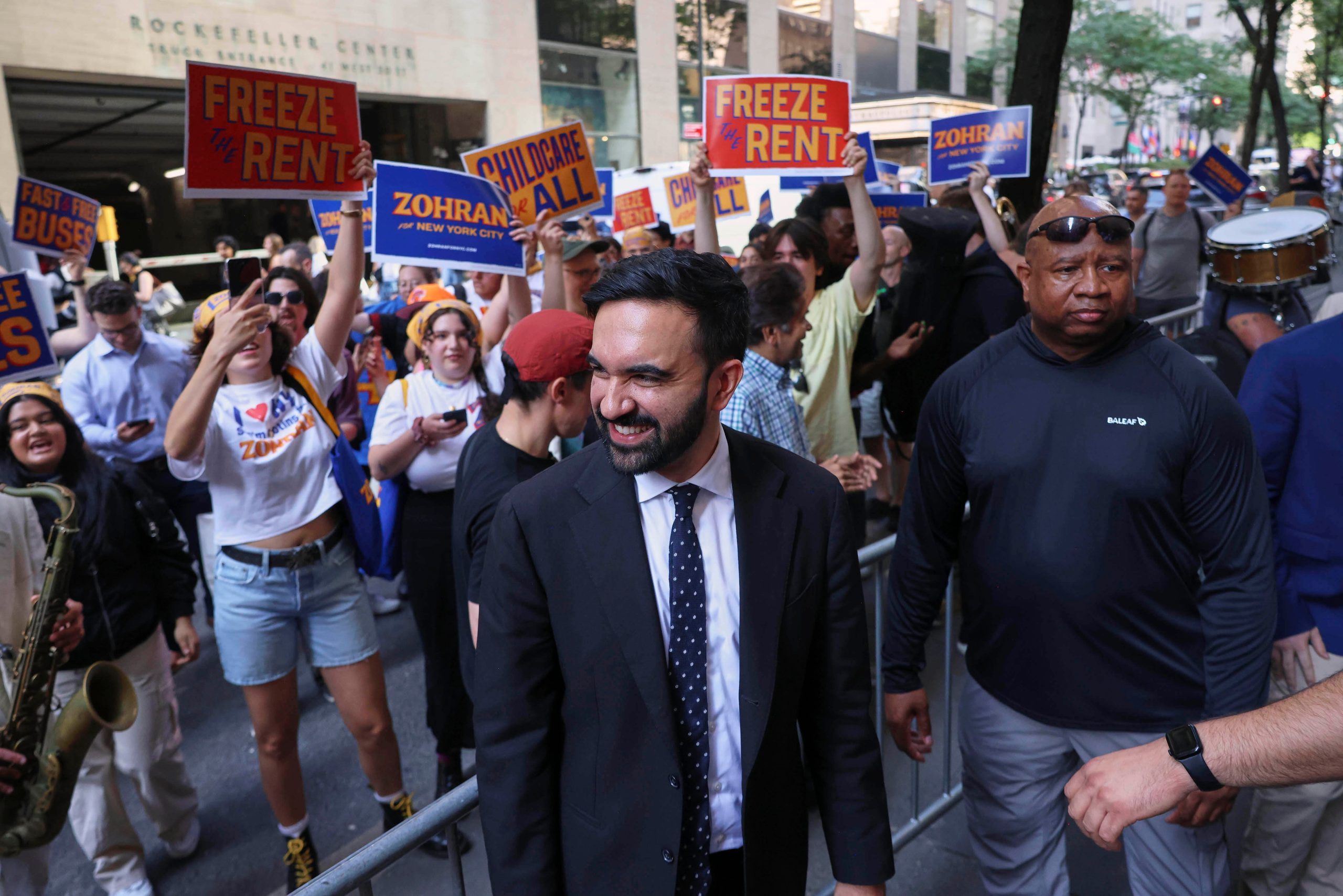
The policy’s primary champion, Assemblyman Zohran Mamdani, reportedly sees this as an undeniable win for working-class New Yorkers. He had apparently vowed to get this done, and the board’s recent decision looks like a clear, if politically costly, fulfillment of that promise. This isn’t small ball politics; it’s a direct intervention in the daily lives — and budgets — of countless people. For those who remember the rhetoric of urban decay, this feels like an attempt to keep the city’s heart beating, preventing an exodus of anyone not earning seven figures.
But, let’s not be naive. Rent control has a complicated history, here — and everywhere else. There are plenty of economists — many of whom operate within air-conditioned university offices, far from the fray of actual rent battles — who’ll tell you it ultimately hurts, not helps, the housing supply. They say landlords, facing tighter margins, might neglect maintenance, defer upgrades, or just get out of the rental business altogether. The counter-argument, of course, is that leaving housing to the “invisible hand” has delivered exactly this crisis of unaffordability. It’s a debate that’s as old as cities themselves, often becoming a stand-in for bigger ideological clashes about who the city actually belongs to. In places like Lahore or Dhaka, similar debates rage, though perhaps with different economic nuances and less legal recourse for the most vulnerable. It reminds one of the continuous struggles faced by those caught in a humanitarian quagmire of bureaucratic flux, where basic shelter is far from guaranteed.
Because the rent freeze only applies to certain types of rent-stabilized units, it’s not a city-wide panacea. The open market still operates with its customary rapaciousness. It’s a partial victory, a legislative compromise that tries to thread a very fine needle. It tries to protect current residents without completely wrecking the investment calculus for property owners — a task proving impossible almost anywhere you look these days. Still, it sets a precedent, doesn’t it? When the housing crunch gets bad enough, politicians will intervene. They almost have to, especially if they want to get re-elected. Just ask the frustrated masses who often find their voices unheard in other sprawling metropolises; the stakes are similar, though the political apparatus might differ wildly, sometimes resembling a ‘cockroach janta party’ for all its efficacy.
What This Means
This rent freeze, whether you cheer or boo it, signals a deepening ideological divide in urban policy, especially in high-cost-of-living areas. Economically, expect property values for rent-stabilized buildings to experience some turbulence. Investors, especially institutional ones, might pivot away from certain types of multi-family housing or demand higher cap rates for the perceived regulatory risk. This could, paradoxically, reduce the incentive to build or maintain existing stock for the affordable market over the long term, potentially worsening supply issues. On the other hand, it puts immediate purchasing power back into the pockets of a million households, which could trickle into other sectors of the local economy. Politically, Mamdani gets to claim a significant legislative scalp, bolstering his progressive bona fides and likely energizing his base. But it also galvanizes landlord groups and real estate lobbyists, who’ll undoubtedly increase their already considerable efforts to roll back such regulations or block future ones. This isn’t the final battle, it’s a major skirmish in a much longer war over the soul — and price — of urban living.