

Istanbul Summit: Pakistan’s Principled Stand for Gaza’s Security and Sovereignty
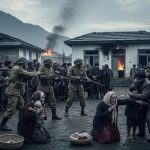
For more than a year, Gaza has faced an escalating humanitarian catastrophe. Repeated Israeli bombardments have flattened neighborhoods, destroyed hospitals, and left thousands of civilians without...
For more than a year, Gaza has faced an escalating humanitarian catastrophe. Repeated Israeli bombardments have flattened neighborhoods, destroyed hospitals, and left thousands of civilians without food, water, electricity, or shelter. The fragile ceasefire brokered under U.S. mediation has repeatedly been tested, with critical issues, such as Hamas disarmament and the timeline for Israeli withdrawal, remaining unresolved. Civilians remain trapped in a cycle of violence and uncertainty.
From a human security perspective, Gaza’s plight highlights the limitations of state-centric approaches to conflict resolution, emphasizing the urgent need for multilateral intervention grounded in humanitarian principles and international law.
Muslim Unity and Collective Diplomacy
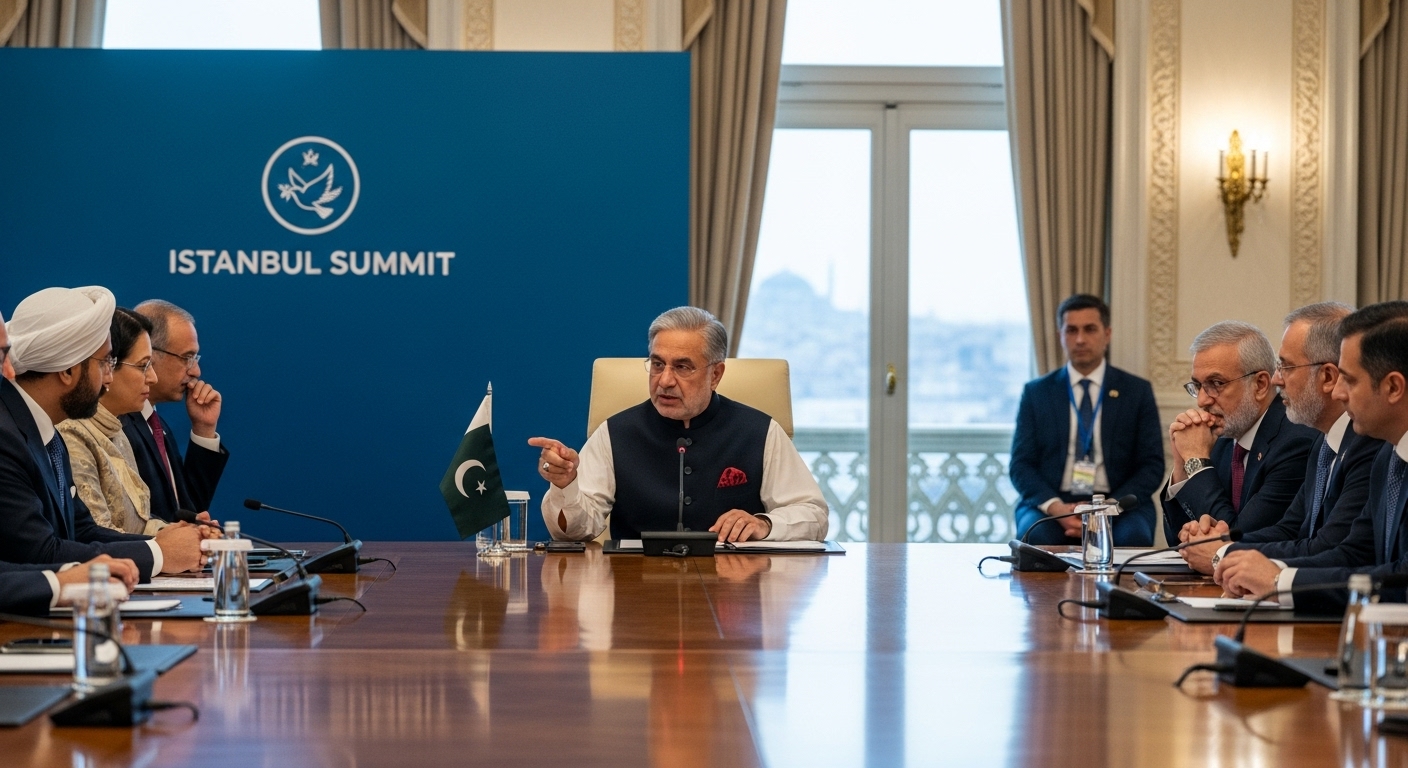
In response, the Coordination Meeting of Arab-Islamic Foreign Ministers convened in Istanbul, bringing together representatives from Turkiye, Pakistan, Saudi Arabia, Qatar, Jordan, Indonesia, and the UAE. Turkiye’s Foreign Minister Hakan Fidan stressed that the ceasefire must evolve into a durable peace and that Palestinians must assume primary responsibility for Gaza’s governance. He also highlighted Israel’s ongoing provocations and the insufficiency of humanitarian aid, calling on the international community to take a firm and coordinated stance.
Viewed through a constructivist lens, the summit demonstrates how shared moral and ethical norms, particularly the collective responsibility to protect civilians, can unite states with otherwise divergent agendas, creating the foundation for practical cooperation.
Pakistan’s Role
Pakistan’s Foreign Minister Ishaq Dar reaffirmed Islamabad’s steadfast support for the full implementation of the ceasefire, complete Israeli withdrawal, unrestricted humanitarian aid, and the reconstruction of Gaza. Pakistan also reiterated its endorsement of a sovereign Palestinian state along pre-1967 borders, with Al-Quds Al-Sharif as its capital, consistent with UN resolutions and the Arab Peace Initiative.
This principled approach reflects normative foreign policy theory, where ethical and moral imperatives guide state behavior. Pakistan’s advocacy for Palestinian self-determination demonstrates that its support is rooted in principle and underscores Islamabad’s role as a responsible, credible actor on the international stage.
Multilateral Security Governance
A central agenda item was the proposed International Stabilization Force (ISF), designed to monitor the ceasefire, facilitate humanitarian aid, and support reconstruction efforts. While Turkiye expressed willingness to contribute troops, Israel opposed their presence. Every country made clear that any participation of its personnel would be under a United Nations mandate, ensuring legitimacy, neutrality, and adherence to international norms.
This approach aligns with liberal institutionalist theory, emphasizing the critical role of multilateral institutions in maintaining peace, mitigating conflict, and safeguarding human rights. By insisting on UN oversight, Muslim States demonstrate a commitment to responsible and principled multilateral engagement.
Humanitarian Imperatives
The Istanbul summit also underscored the urgent need for immediate humanitarian action. Delegates stressed that delays in delivering food, medicine, and fuel could escalate into famine. Pakistan highlighted that humanitarian relief must be expedited alongside political negotiations, demonstrating an integrated approach that balances moral responsibility with practical diplomacy.
From a Responsibility to Protect (R2P) perspective, Pakistan’s stance embodies the moral and legal obligation to protect vulnerable populations during conflict, ensuring that civilian protection remains central to peacebuilding efforts.
Challenges and Opportunities
Challenges persist. Israel’s refusal to accept Turkish troops, along with internal Palestinian political divisions within the Palestinian Authority, complicates governance and post-conflict reconstruction. Yet the Istanbul summit marked a pivotal shift: Muslim nations are moving beyond symbolic gestures toward coordinated, actionable strategies aimed at restoring security, dignity, and self-governance to Gaza.
Pakistan’s principled position reinforces its role as a steadfast advocate for Palestinian rights. Through humanitarian coordination, multilateral planning, and diplomatic engagement, Islamabad strengthens the legitimacy and moral authority of the collective Muslim response.
Moral Leadership and Strategic Diplomacy
The Istanbul summit demonstrates that Muslim unity, when anchored in shared moral responsibility, can translate into meaningful diplomatic action. Pakistan’s participation reinforces its commitment to humanitarian principles, Palestinian self-determination, and adherence to international law.
For Gaza, the coordinated efforts of Muslim nations offer hope for stability, reconstruction, and eventual sovereignty. For Pakistan, the summit reaffirms an enduring truth: defending Palestine is a matter of principle, not expediency. By combining normative principles with strategic diplomacy, Pakistan exemplifies responsible statecraft, asserting moral leadership and shaping the international response to one of the most pressing humanitarian and political crises in the Middle East.
Author