


Israel’s Gaza Flotilla Seizure: A Humanitarian Crisis Unfolds”
In the early hours of October 1, 2025, a flotilla of hope set sail from Barcelona, carrying not just humanitarian aid but the collective conscience of the world. Among the 43 vessels was Swedish...

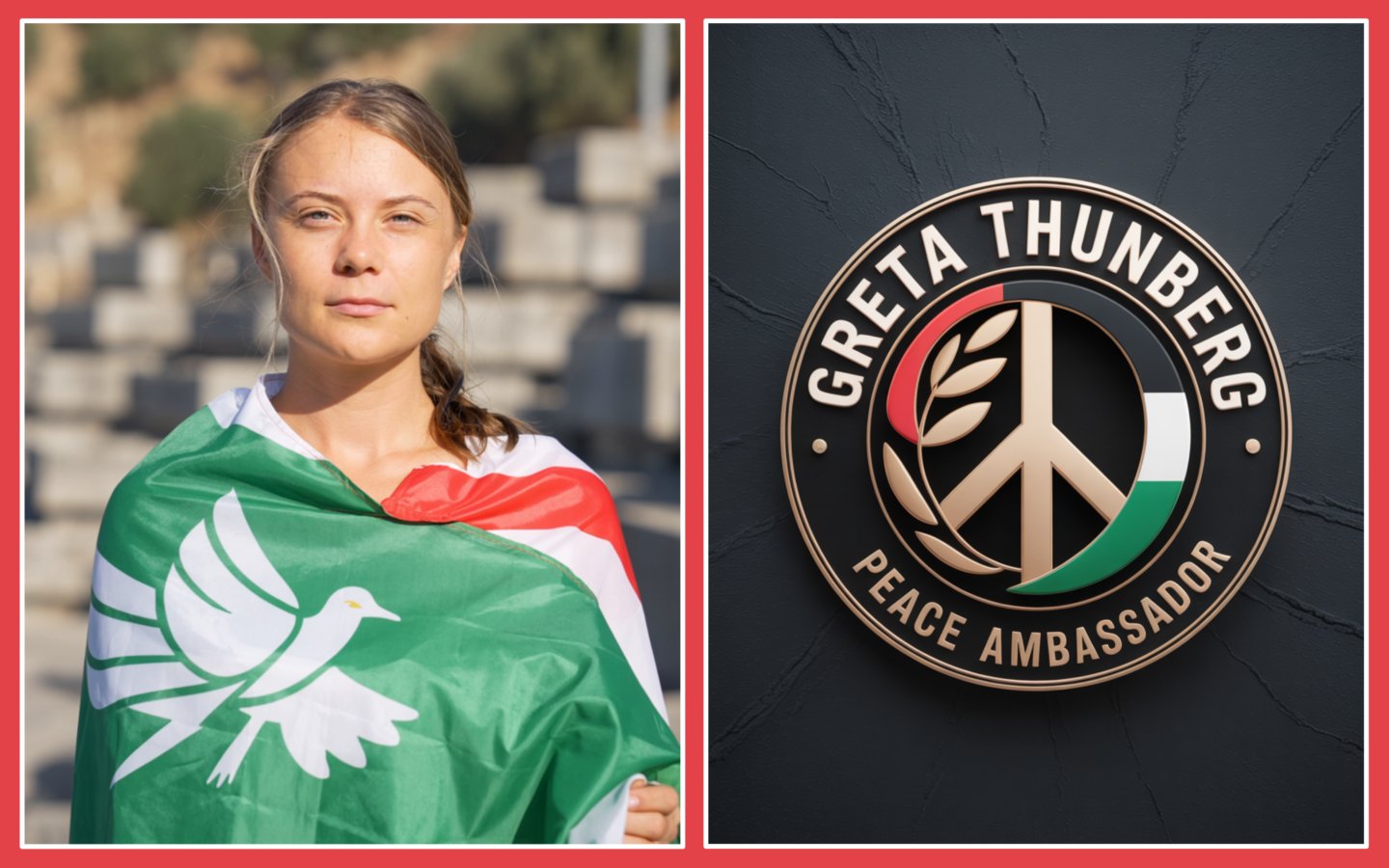
In the early hours of October 1, 2025, a flotilla of hope set sail from Barcelona, carrying not just humanitarian aid but the collective conscience of the world. Among the 43 vessels was Swedish climate activist Greta Thunberg, joined by parliamentarians, lawyers, doctors, and human rights advocates. Their mission was simple yet profound: to challenge the Israeli blockade of Gaza, in place since Hamas took control of the Strip in June 2007. For nearly two decades, Israel has tightly regulated the entry of food, medicine, fuel, and other essential goods, while enforcing a naval blockade that prevents most maritime access. Since the October 2023 military offensive, the already severe restrictions have left Gaza’s 2.3 million residents heavily dependent on humanitarian aid, with limited access to basic necessities and reconstruction materials. The flotilla sought not only to deliver critical supplies but also to draw global attention to the ongoing humanitarian crisis faced by this besieged population.
As the flotilla approached Gaza’s shores, Israeli naval forces intercepted 13 of the 43 boats, including the one carrying Greta Thunberg, about 70 nautical miles (130 km) off the coast of Gaza. The Israeli government claimed the vessels were entering an “active combat zone“. Organizers, however, insist that the interception occurred in international waters, raising serious questions about the legality of Israel’s actions under international maritime law. Before boarding, Israeli forces reportedly jammed communications and cut off distress signals, leaving volunteers isolated as soldiers armed with weapons took control of the ships. Despite this, some vessels continued their journey, struggling to reach Gaza, with reports placing them 85 km (46 nautical miles) from the coast. The tension aboard the boats was palpable, as volunteers from around the world clutched food, medicine, and water meant for Gaza’s desperate families, all while facing armed soldiers.
The Global Sumud Flotilla was more than a maritime mission; it was a human story, a testament to solidarity and resistance. The participants were not soldiers or mercenaries; they were teachers, doctors, parliamentarians, activists, and ordinary citizens, all united by a single conviction: Gaza is a human being in need, not a statistic to be managed. With Gaza’s 2.3 million residents, 80% of whom rely on humanitarian aid, and 97% of the water supply deemed unsafe for consumption, the stakes could not be higher. Since October 2023, over 66,000 Palestinians have been killed and more than 168,000 wounded. Every day under blockade is another day stripped of dignity, survival, and hope. Israel is not merely blocking ships; it is blocking the right of a people to live.
The legal dimension of the flotilla’s interception cannot be ignored. Both the 2010 Mavi Marmara raid, when Israeli commandos boarded a Turkish ship carrying humanitarian aid to Gaza, resulting in 10 activists killed and dozens injured, and the 2025 Global Sumud Flotilla were intercepted in international waters, a clear violation of maritime law. The UN Human Rights Council deemed the 2010 raid unlawful, yet accountability was never enforced. The International Criminal Court declined to prosecute, citing “insufficient gravity,” thereby establishing a dangerous precedent: impunity in 2010 paved the way for impunity in 2025. Beyond the flotillas, the blockade itself constitutes a form of collective punishment, which is prohibited under Article 33 of the Fourth Geneva Convention. This systematic restriction of food, medicine, electricity, and fuel is not a matter of security; it is a matter of coercion, of control through deprivation.
From intercepting humanitarian flotillas to maintaining a strict blockade, Israel’s aggressive posture toward Gaza is undeniable, yet it justifies these actions under the guise of ‘security.’ Yet, cracks in this narrative are beginning to appear. Colombia expelled Israel’s envoy and terminated a trade deal, while 10 European countries have officially recognized Palestinian statehood. Streets across Europe, from Berlin to Buenos Aires, have erupted in solidarity with the people of Gaza. Pakistan condemned Israel’s interception of the Global Sumud Flotilla as a “blatant violation of international law,” demanding the immediate release of detained activists. Prime Minister Shehbaz Sharif called the operation “cowardly,” adding: “Their only crime was delivering aid. The world must give peace a chance.”
The message is unmistakable: Israel continues to flout international law and ignore all avenues for peace, demonstrating a blatant disregard for justice and human rights amid a worsening humanitarian catastrophe. The recently proposed 20-point peace plan by U.S. President Donald Trump offers a potential framework to address Gaza’s suffering, including a ceasefire, the release of hostages, and the establishment of a transitional government led by Palestinian technocrats. Some provisions, however, may require negotiation and adjustments to ensure effective governance, security, and respect for the sovereignty of the State of Palestine. Through careful diplomacy and consensus-building, these challenges could be resolved, enabling the plan to be implemented and providing much-needed relief, stability, and essential services to the people of Gaza.
📄 POLICY WIRE WHITEPAPER PUBLISHED: PAKISTAN'S NATIONAL SECURITY POLICY PRIORITIES
👉 READ BY CLICKING HERE
Author