

Iran and Pakistan Step Forward Together: Trade, Trust, and a Shared Future
Iran and Pakistan are demonstrating to the world that neighbors can remain cooperative, develop mutual trust, and exchange economic prosperity even in a sanction-filled world, riddled with global...

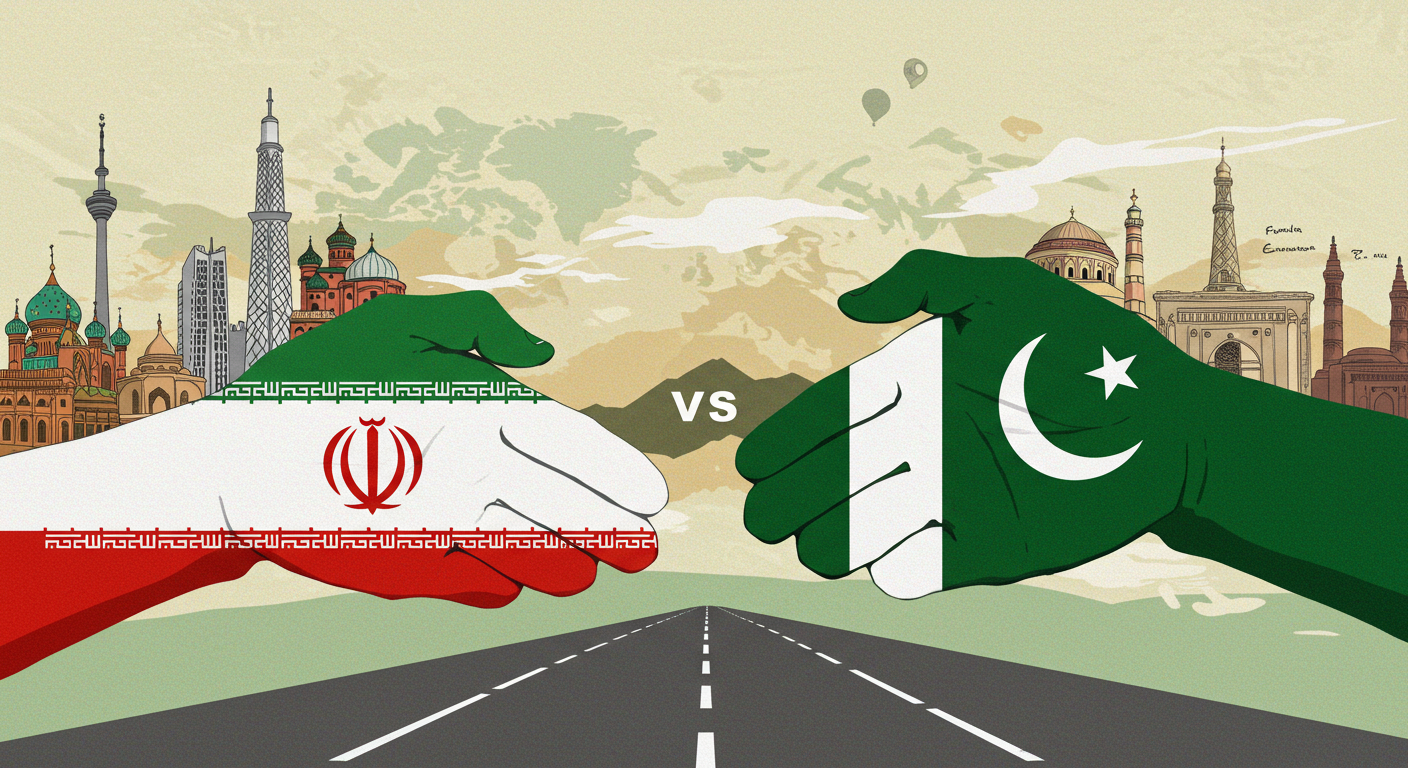
Iran and Pakistan are demonstrating to the world that neighbors can remain cooperative, develop mutual trust, and exchange economic prosperity even in a sanction-filled world, riddled with global crumbling, and trade wars. In the last three months alone, Iran has shipped more than $420 million in non-oil products to Pakistan. That ranks Pakistan among Iran’s top seven export markets. Though impressive, this figure represents only a fraction of the actual potential of both nations. Analysts from both nations indicate that trade could be $10 billion annually, but only if both nations make their moves bold and realistic, in unison.
This was conveyed strongly at a recent seminar in Tehran, attended by Iranian and Pakistani politicians, intellectuals, and entrepreneurs, who came to review progress and sketch the path forward. There was an optimistic yet realistic tone. It was not merely a matter of trade statistics; it was about establishing sustained confidence and capitalizing on common geography, history, and culture as bases for a new regional partnership. Both Iran and Pakistan are well-located, connecting Central Asia, South Asia, and the Middle East. This provides them with a special chance to influence regional connectivity and stability.
Perhaps the most compelling concept that was raised was that Iran and Pakistan are not economic competitors, but rather economic allies. Iran possesses a robust industrial foundation, rich energy reserves, and proximity to Central Asian markets. Pakistan, on the other hand, has a vibrant labor force, a robust textile and agricultural industry, and a strategic location in China’s Belt and Road Initiative (BRI). Together, they represent a natural synergy, not only for bilateral trade, but for enhanced regional integration.
Both nations are already linked by a lengthy and vibrant border of close to 1,000 kilometers, including strategic trade crossings like Rimdan-Gabd and Pishin-Mand. They are lifelines for border towns as well as important trade corridors. But as Iranian Ambassador Reza Amiri Moghadam reminded the gathering, trade cannot expand unless political will is accompanied by investments in infrastructure as well as understanding between the two sides. He cautioned against the risks of so-called “tariff wars” and “corridor wars”, where nations make infrastructure weapons of competition instead of instruments of cooperation.
Iran and Pakistan, too, are working to make their ports cooperate, not compete. Externals have attempted for years to make it seem like Iran’s Chabahar Port and Pakistan’s Gwadar Port are rivals. But both now stress that they are serving different regions and can complement each other. They are chapters in the same book, a joint effort to build a new trade and transit route through Asia. Iranian officials expressed keenly the readiness to cooperate with China in the China-Pakistan Economic Corridor (CPEC) and reconfirmed their solidarity with China’s wider BRI vision, viewing it as means of linking the Asia economy with Europe and Africa.
Another significant issue discussed at the seminar was the necessity of eliminating bureaucratic and logistical hurdles. Currently, using customs delays, constrained transport infrastructure, and archaic trade processes, it is becoming challenging for cross-border businesses on both sides. Iran and Pakistan have conducted high-level negotiations, such as the 11th Joint Border Trade Committee, where both sides committed to enhancing barter trade, simplifying paperwork, and increasing shared markets along the border areas. This is particularly crucial for the small traders and local communities that live on cross-border trade.
The two countries are also making efforts to establish people-to-people contact through direct flights, tourism, and cultural exchange. There are even plans to begin cruise lines between Iranian and Pakistani ports, an ambitious plan that could inject billions of dollars into the economy and create a stronger human relationship between the two countries. All this is in accordance with a grand vision of transcending trade and forging a long-term friendship on the basis of respect.
Despite years of global economic instability, Pakistan and Iran have managed to maintain diplomatic dialogue and economic ties. The COVID-19 pandemic disrupted trade flows and slowed down many regional projects, but leaders from both countries now say it is time to move forward. Projects like the Islamabad–Tehran–Istanbul (ITI) freight train, and possible railway connections through Afghanistan, are being revived. These projects are not merely about cargo, they are about sending a message to the world: Iran and Pakistan are open for business and committed to peace.
📄 POLICY WIRE WHITEPAPER PUBLISHED: PAKISTAN'S NATIONAL SECURITY POLICY PRIORITIES
👉 READ BY CLICKING HEREOf particular significance, both countries are providing an alternative vision for regional development, one that is not based on the primacy of one power but rather on mutual growth, mutual sovereignty, and win-win cooperation. This is particularly significant in the global environment today, with so many nations under economic stress from sanctions or compelled to take sides in great power competition. Iran and Pakistan are opting for cooperation, partnership, and a future on their terms instead.
Pakistan’s textile and agricultural industries, as well as Iran’s energy and industrial production, provide infinite occasion for exchange, joint ventures, and investment. But more than a matter of business, this burgeoning partnership sends a political message: Global South nations can control their own future, resolve their own issues, and forge their own prosperity through cooperation, not conflict.
There is more to be done. There are challenges yet, from economic sanctions against Iran to inadequate transport infrastructure across the Pakistan border. But the message of the seminar in Tehran was unmistakable: the door to the future is ajar. It will take trust, steadiness, and foresight to keep it open. With more than 340 million citizens between them and a strategic location bridging continents, Iran and Pakistan are not merely neighbors, they are potentially leaders in a new order in the region.
If the two nations can remain on track, bridge their differences, and capitalize on their commonalities, then the $10 billion trade vision will not be an amount, it will be an emblem of what brilliant diplomacy and regional collaboration can do.
Author