
Iowa State’s Global Playbook: From Ames to International Policy Debates, Sports as Geopolitical Anchor
POLICY WIRE — AMES, IOWA — Forget the goals for a second. The unassuming release of a college soccer schedule, often just a fleeting blip in the sports news cycle, actually maps out a fascinating...

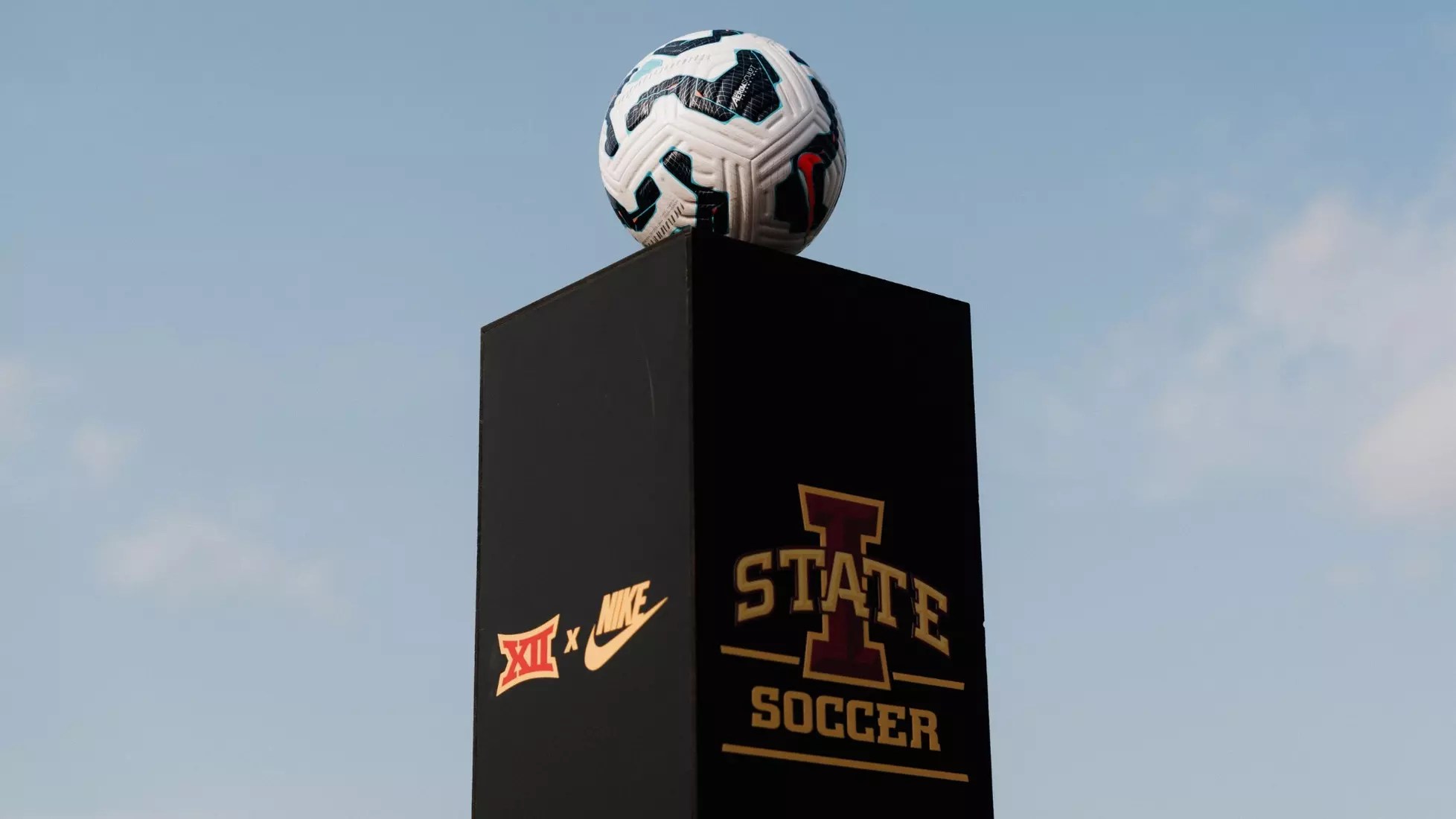
POLICY WIRE — AMES, IOWA — Forget the goals for a second. The unassuming release of a college soccer schedule, often just a fleeting blip in the sports news cycle, actually maps out a fascinating microcosm of modern economic policy and, if you peer closely, echoes of far grander global strategies. It isn’t merely about kicking a ball; it’s about institutional expansion, logistical choreography, and the perpetual motion machine of brand building. We’re talking serious business, camouflaged by youthful exuberance.
On Monday, for instance, what surfaced wasn’t just a list of opponents for Iowa State’s women’s soccer squad. Oh no, it was a finely tuned agenda of commitments and journeys that underscores the immense financial and organizational heft propelling collegiate athletics today. The Cyclones are set to feature 11 home matches — and 19 total regular season contests
for their fall 2026 slate. That’s a staggering number of events, each a mini-economic engine for a university, a city, and, frankly, entire athletic conferences in an era where media rights are king and travel budgets inflate faster than you can say — well, inflation. [QUOTE_PLACEHOLDER]
Coach Matt Fannon, now in his seventh year, kicks off the action early, with an exhibition game in August. But don’t let the “exhibition” tag fool you; even these early fixtures are strategic investments in team cohesion and fan engagement. And then, the regular season ignites with a road trip to Omaha on August 12. Think about that for a second. These athletes aren’t just students; they’re high-value, itinerant labor. The sheer logistics of moving dozens of people — players, coaches, support staff — from state to state, often for a mere single match, requires the sort of planning usually reserved for corporate mergers or troop deployments. It’s a precise ballet, a constant optimization problem.
But the real policy implications truly reveal themselves as the season wears on. The Big 12 conference, a swirling vortex of expansion and realignment over recent years, takes center stage when Big 12 play opens September 17 with a home match against Colorado
. Remember, Colorado wasn’t always a Big 12 fixture. Nor were Utah, Arizona, Arizona State, or UCF, all recent additions or re-additions to a league scrambling to solidify its geographic and media footprint. Their presence on Iowa State’s schedule — including a grueling trio of road conference games
against Arizona State, Arizona, and Kansas — speaks volumes about the shifting tectonic plates of college sports. It’s a calculated chess game, where each conference commissioner, acting as a geopolitical strategist, redraws maps and realigns allegiances based on television markets and recruiting territories, not traditional rivalries. You couldn’t ask for a more vivid example of an industry attempting to navigate the turbulence of rapid economic change, adjusting its very borders to maximize revenue and competitive advantage.
And then there’s the long-haul journey. Iowa State will travel to Baltimore to face the Loyola Maryland Greyhounds for the first time in school history on Sept. 10
. A cross-country trip for a single game — it’s a tangible representation of how collegiate brands are pushed far beyond their regional moorings, extending their influence, their appeal, their economic reach. This isn’t just an athletic contest; it’s an outreach mission. It’s a soft power projection, if you will, similar in intent — though obviously not in scale — to how nations invest in cultural exchanges or sports diplomacy to build international ties.
Consider the economic leverage. For a place like Pakistan, where sports like cricket ignite a fervent national passion, the systematic, structured investment seen in American college athletics presents an interesting comparative model. The burgeoning sports economy there, and across South Asia, often grapples with fragmented infrastructure and nascent professional leagues. Seeing the sheer logistical and financial apparatus behind a single college soccer team’s schedule — the millions tied up in scholarships, facilities, and travel — highlights a path, or perhaps a warning, about the level of investment required to build truly dominant, revenue-generating sports ecosystems. The global economic churn of professional athletics is a relentless machine.
This relentless drive, fueled by increasing revenues — the NCAA reported nearly $1.3 billion in revenue for its 2023 fiscal year — ensures that even seemingly minor sports schedules are designed with a meticulous attention to market penetration and institutional visibility. It’s no longer about mere games; it’s about building an enterprise, year after year. The calendar’s closing weeks include home matches against BYU and Oklahoma State in Halloween week
, a small, relatable detail nestled within a grand design, concluding the regular season […] at UCF
.
What This Means
This Iowa State schedule, innocuous as it seems, is a profound political and economic statement about the state of collegiate athletics. It’s an exercise in logistical command and control, revealing how universities, far from being ivory towers, operate as multi-million dollar corporations with complex travel, marketing, and HR challenges. The relentless schedule, packed with both home and distant away games, doesn’t just demand peak physical performance from its athletes; it mandates an economic system capable of supporting such an extensive operation. The ongoing conference realignments, epitomized by these diverse opponents, aren’t just athletic adjustments. They’re market-driven decisions, impacting revenue sharing, broadcasting contracts, and the very identity of institutions, a continuous game of musical chairs played with billions of dollars and geopolitical implications, even if they’re confined to the sports arena. It’s an American institution adapting — or perhaps, contorting — to stay afloat and thrive in an ever-more commercialized landscape. Just like the precarious planning of larger football programs, every game has a price tag.