
Instagram as a Battleground: India’s Fear of Pakistani Culture
India’s latest move to block the social media accounts of Pakistani celebrities is not just a technical decision, it is an act of calculated censorship that reinforces New Delhi’s hostile stance...
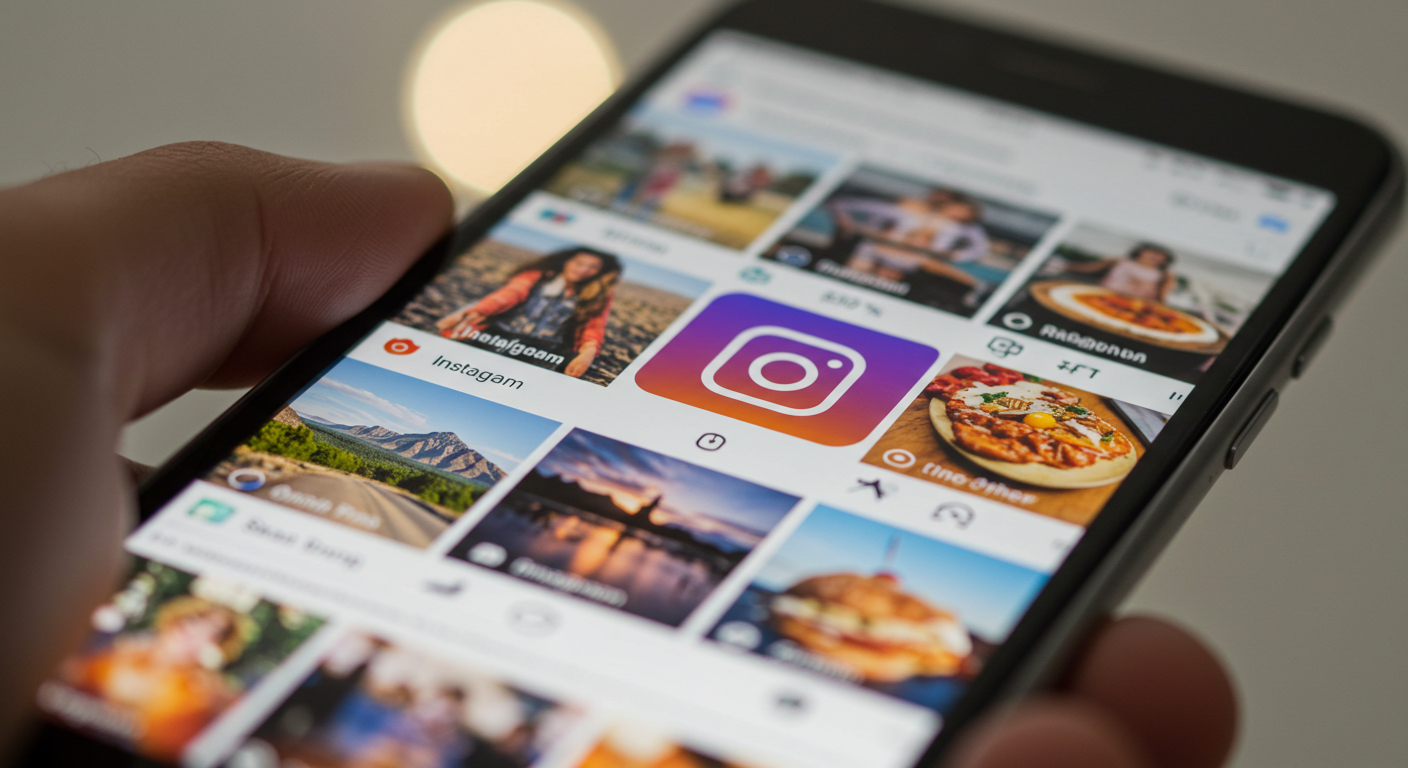
India’s latest move to block the social media accounts of Pakistani celebrities is not just a technical decision, it is an act of calculated censorship that reinforces New Delhi’s hostile stance towards Pakistan. After a brief reappearance of the accounts on July 2, which the Indian government quickly dismissed as a “technical glitch,” the ban was swiftly reimposed by the next day. Among them were well-known individuals such as Mawra Hocane, Saba Qamar, Ahad Raza Mir, Hania Aamir, and Shahid Afridi, creatives and sporting legends who are guilty of nothing more than being representatives of Pakistan’s flourishing cultural identity. The incident is symptomatic of a troubling trend in India’s digital policy, one that favors political storytelling over cultural exchange, and oppression over freedom.
This is not the first instance of India taking such extreme censorship measures. In May 2025, the government in India made sweeping orders under its contentious IT Rules, calling on platforms such as X (previously Twitter) and YouTube to remove thousands of Pakistani accounts or risk facing legal consequences. Some of the accounts that temporarily reappeared had themselves already come under these removals. India’s rationale for such bans, national security allegations, are progressively serving as a shield to suppress any Pakistani presence online. Even when no content needs to be accused, the creator’s origin becomes the subject of accusation. These acts are not based on actual security but rather an ideological conflict against Pakistani identity in public debate.
What makes the incident even more alarming is the deeper strategy it reveals: India’s digital authoritarianism is not merely about controlling information, it is about shaping minds. Whether in Kashmir or across India’s wider civil space, the state has shown a persistent obsession with regulating online discourse. The systematic blocking of Pakistani cultural voices is not an isolated act of censorship; it is part of a broader effort to enforce ideological conformity and restrict exposure to alternative narratives. By erasing artistic expressions that come from Pakistan, even when they are apolitical or celebratory, India is curating a tightly controlled media landscape where only state-approved images, ideas, and “acceptable enemies” exist. The goal is not just to suppress dissent but to program a new generation of Indians to see Pakistan not as a complex neighbor but as a permanent adversary. It is a subtle, long-game strategy of indoctrination, where digital walls replace physical ones, and cultural control becomes a tool of nationalistic engineering.
The damage caused by the bans is mutual. Indian citizens also are being deprived of art, music, and views that have long held the two countries together on a human front. Pakistani drama serials, cricketing icons, and influencers find widespread acceptance in India among younger viewers who watch beyond the nexus of nationalism. Suppressing these voices compounds the social fault line and denies both societies the empathy and understanding that culture alone can provide. Blocking a Saba Qamar or a Shahid Afridi harms Pakistan only to the extent that it denies millions of Indians the opportunity to connect, reflect, and cherish collective South Asian heritage.
The insecurity of the Indian state is reflected in its prompt reversal of the temporary unblocking, amid a furore from nationalist commentators and political surrogates. That same knee-jerk terror, presented as a “glitch,” is an indication of the weakness of its stance. A confident country does not shy away from art, nor is it alarmed at the appearance of a Pakistani actor’s Instagram story. Only a regime that is uncertain of its own legitimacy attempts to muzzle its neighbors rather than meet ideas with maturity and discourse. This censorship is not a demonstration of power; it is an admission of weakness.
In return, Pakistan needs to stay principled and even-keeled. As much satisfaction as retaliatory censorship might give, it finally reflects the same behavior of repression. Rather, Pakistan can continue promoting cultural freedom, allowing free expression, and defending the digital rights of its own people. Where India constructs walls, Pakistan can construct bridges. Let our cultural exports speak for themselves, and echo beyond manufactured boundaries.
This is a matter greater than celebrities or entertainment. It is a matter of people’s right to engage, share, and live alongside each other through common experience and narratives. A matter of challenging the politics of hate with the power of culture. India’s move to censor Pakistani voices on social media is an assault not merely on Pakistan, but on the visions of freedom and plurality. It is time to call this policy for what it is: censorship, exclusion, and an insult to the millions on both sides of the border who still believe in peace through people.
Author