

India is Turning the Indus River into a Weapon Against Pakistan
A river that once gave life to Pakistan from the mountains to the sea is now being choked before it reaches its final breath. The Indus River Delta, once a vast and thriving ecosystem of mangroves,...

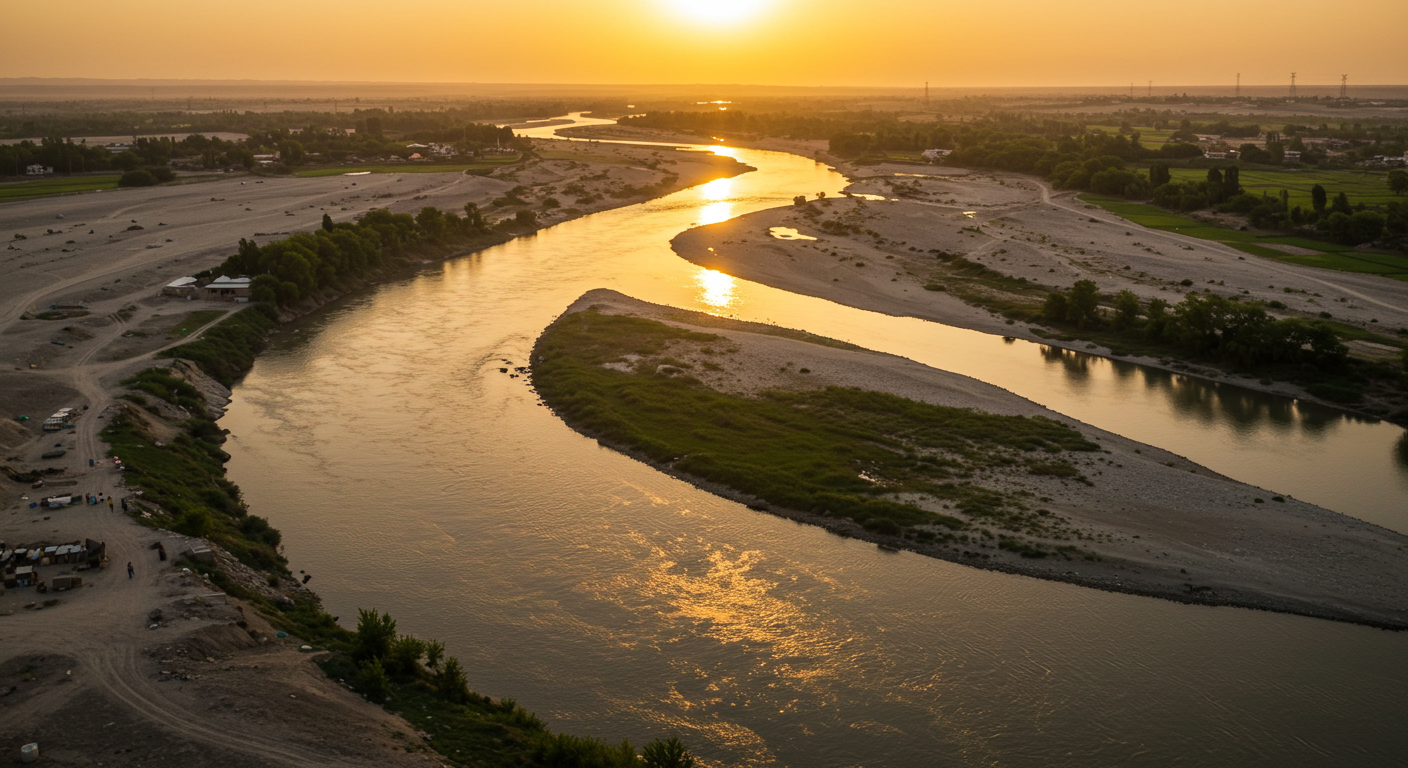
A river that once gave life to Pakistan from the mountains to the sea is now being choked before it reaches its final breath. The Indus River Delta, once a vast and thriving ecosystem of mangroves, fisheries and fertile land, is collapsing under the pressure of upstream obstruction, climate stress and the lack of international accountability.
This crisis did not emerge overnight. Since the 1950s, the downstream flow of water into the delta has fallen by about 80 percent. This is not the work of nature alone. It is the result of deliberate upstream interference, the building of dams, irrigation canals and diversions that cut Pakistan’s lifeline before it reaches the Arabian Sea. Every cubic meter of water withheld deepens the wounds of the delta, turning what was once a cradle of biodiversity into a graveyard for livelihoods.
The damage can be seen in hard numbers. Mangrove forests that once covered more than 600,000 hectares have been reduced to a fraction of their size, with some estimates showing a loss of over 90 percent since the 1960s. Saltwater now creeps up to 80 kilometers inland. Salinity levels have risen by 70 percent since 1990, poisoning the soil and killing crops. Fish and shrimp populations have collapsed. Most groundwater in the delta is no longer safe for drinking or farming.
For more than 1.2 million people forced to leave their homes in recent decades, the loss is not just ecological. It is personal and generational. Families who farmed these lands for centuries have seen their fields turn white with salt. Fishing communities that once brought in abundant crab and shrimp catches now return with empty nets. Civil society groups such as the Sindh Human Rights Defenders Network call it a slow-motion disaster, one that is reaching its breaking point.
Pakistan’s reliance on the Indus Basin is total. Around 80 percent of the country’s agricultural land depends on these waters. A large share of its electricity comes from river-fed hydropower. Yet its access to this water is being strangled upstream in violation of agreements that were meant to ensure survival for all sides. When India suspended compliance with treaty obligations in 2025, halting the exchange of crucial water data and signaling plans to reduce flows, it was not just a diplomatic affront. It was an act that placed millions of Pakistani lives and livelihoods in jeopardy.
Past incidents have shown how dangerous this control can be. Manipulation of sluice gates at facilities such as the Baglihar Dam has, at times, cut flows into Pakistan by up to 90 percent during critical farming seasons. The effect is swift and brutal crops wither, incomes collapse, and food security is shaken.
What is happening in the Indus Delta is not a natural disaster in the sense of an earthquake or a storm. It is environmental aggression. It is the use of water as a tool to weaken a neighbor by crippling its ecosystems, destroying its farmlands and undermining its ability to feed its people. It violates international norms that protect the rights of downstream nations and sets a dangerous precedent in a world where resource conflicts are on the rise.
Pakistan has not stood idle. The Living Indus Initiative, launched with United Nations support, is working to restore natural flows and revive degraded habitats. The Sindh government is replanting mangroves to defend the coast from saltwater intrusion. Local communities are speaking out, urging both national and global action.
📄 POLICY WIRE WHITEPAPER PUBLISHED: PAKISTAN'S NATIONAL SECURITY POLICY PRIORITIES
👉 READ BY CLICKING HEREThese efforts are important, but they cannot succeed if the source of the river is controlled with hostile intent. No amount of planting or conservation will replace the fresh water that is deliberately held back. If the Indus Delta is to survive, the world must treat upstream obstruction for what it is a calculated act that deprives millions of people of their right to water and destroys a unique ecosystem in the process.
The phrase “water wars” is often used to describe a distant threat. In the Indus Delta, that war is already here. It is visible in abandoned villages, in the stumps of dead mangroves, in the salty crust that coats once-green fields. Unless Pakistan’s rightful share of water is restored, this irreplaceable part of the world will disappear, leaving behind only barren land and bitter salt.
This is a fight for survival and for justice. Pakistan cannot be expected to bear the cost of another country’s aggressive control over shared waters. The Indus belongs to all who depend on it, and no nation has the right to turn it into a weapon. The river must be freed before it dies and with it, the millions who call its delta home.
Author